
What's Happening?
Quiet luxury is a growing trend characterized by understated elegance, refined simplicity, and a focus on premium craftsmanship rather than overt ostentation. This philosophy is evident across various
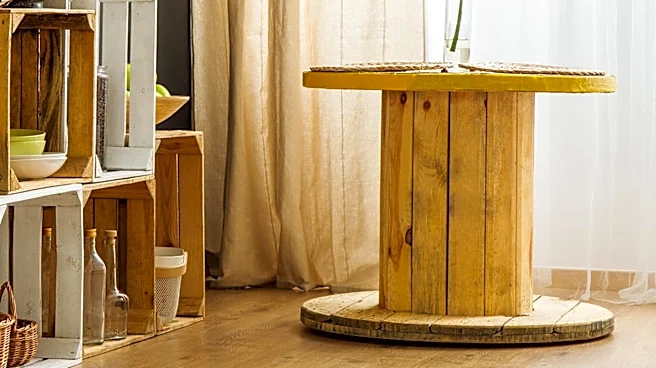
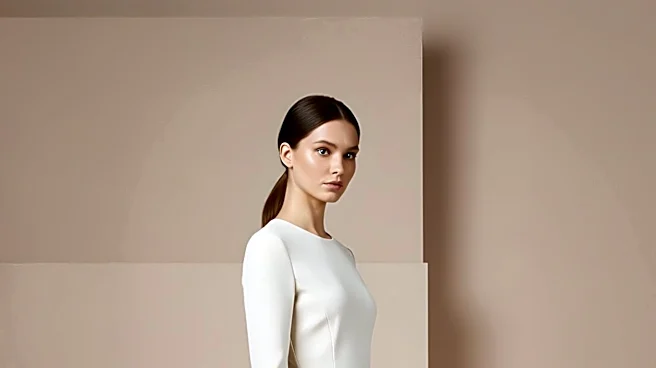
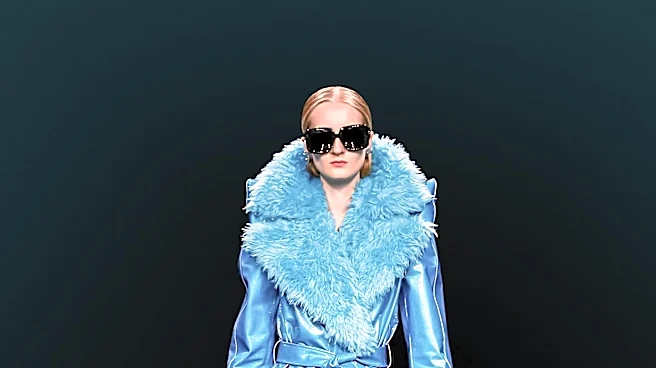
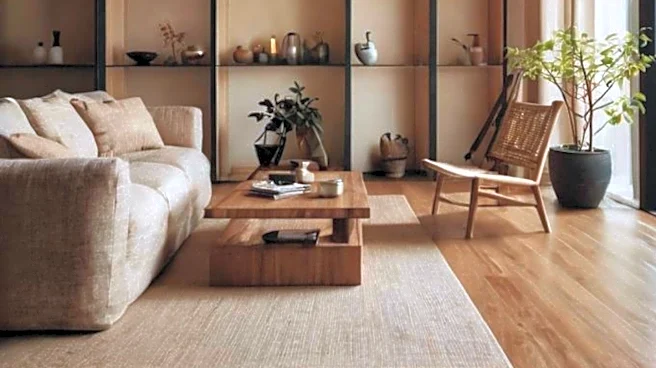
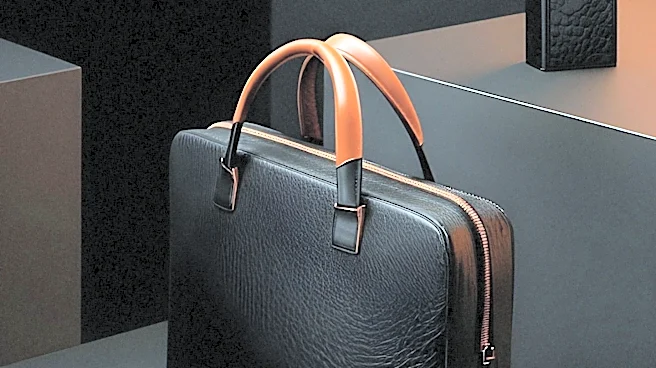
domains, including interior design, fashion, and luxury goods. In interior design, it translates to spaces with fewer objects, an emphasis on tactile experiences, warm woods, handmade pieces, organic shapes, textured fabrics, and muted color palettes. Homes designed with quiet luxury in mind, such as that of actor Jr NTR, prioritize comfort and an inviting atmosphere over flashy displays. In fashion, it aligns with an 'old-money' aesthetic, valuing provenance, longevity, and quality over instant brand recognition. This trend suggests a shift towards a more subtle and sophisticated form of luxury.
Why It's Important?
The rise of quiet luxury signifies a broader cultural shift in consumer values, particularly within affluent markets. This movement challenges traditional notions of luxury, which often equated value with visible branding and extravagance. Instead, quiet luxury promotes a more discerning approach, where quality, craftsmanship, and timeless design are paramount. For U.S. industries, this could mean a greater demand for high-quality, durable goods and services that prioritize subtle sophistication. Businesses in fashion, interior design, and hospitality may need to adapt their strategies to cater to consumers who seek authenticity and understated elegance. This trend could also influence manufacturing practices, encouraging a focus on sustainable materials and ethical production, as consumers increasingly value the story and integrity behind their purchases.
What's Next?
The trajectory of quiet luxury suggests a continued evolution in consumer preferences, potentially leading to a more permanent integration of these values into mainstream luxury markets. We can anticipate an increased focus on bespoke services, personalized experiences, and products that offer enduring value rather than fleeting trends. Designers and brands are likely to further explore sustainable materials and production methods to align with the discerning tastes of quiet luxury adherents. The hospitality sector may also see a greater emphasis on personalized guest experiences that prioritize comfort and individual preferences over standardized opulence. This shift could also foster innovation in craftsmanship and design, as companies strive to create products that embody subtle sophistication and lasting appeal.
Beyond the Headlines
Beyond its aesthetic appeal, quiet luxury reflects deeper societal values related to authenticity, sustainability, and a rejection of overt consumerism. It suggests a desire for substance over superficiality, where the intrinsic quality and story of an item hold more weight than its brand visibility. This trend could have long-term implications for how luxury is perceived and marketed, potentially leading to a more mindful and responsible approach to consumption. Ethically, it encourages a focus on craftsmanship and fair labor practices, as consumers become more interested in the origins and production of their goods. Culturally, it may signal a return to classicism and timelessness, moving away from fast-fashion cycles and disposable trends, fostering a more enduring and meaningful relationship between consumers and their possessions.