







What's Happening?
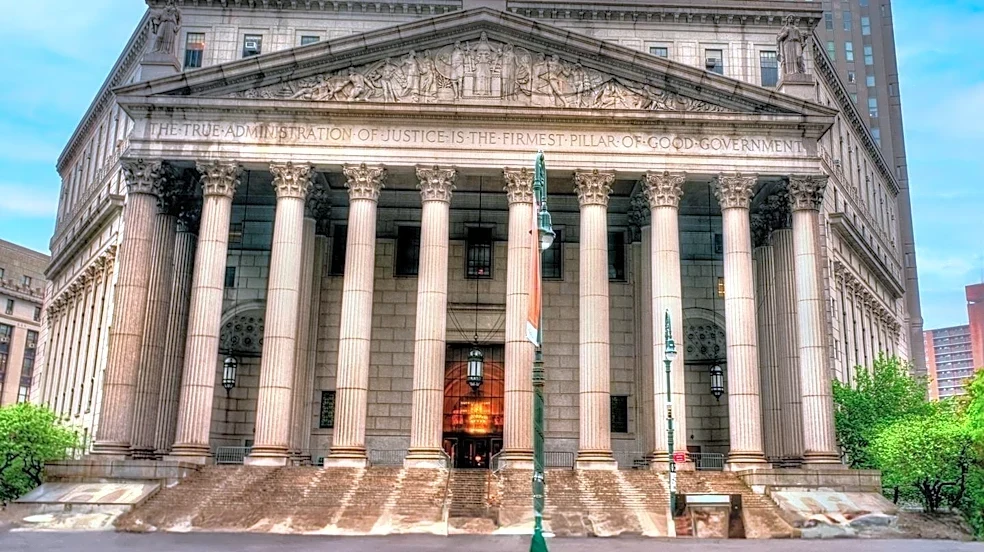
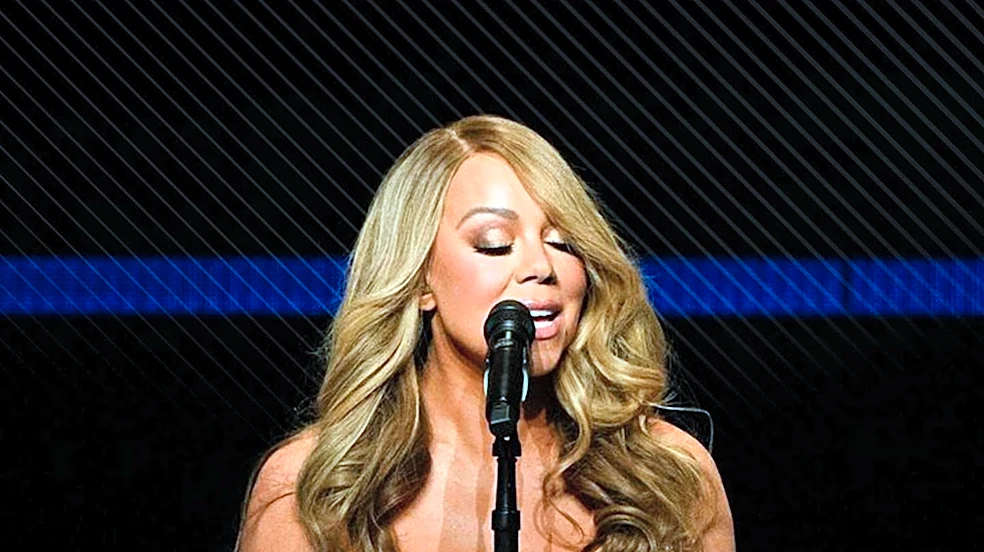
Mariah Carey has won a defamation lawsuit filed by her brother, Morgan Carey, regarding statements made in her bestselling memoir, 'The Meaning of Mariah Carey.' On October 19, New York Supreme Court Justice Leslie A. Stroth dismissed Morgan Carey's remaining
defamation claims against the singer. The lawsuit, initiated in 2021, alleged that the memoir falsely depicted Morgan Carey as violent and damaged his reputation. While most of his allegations were dismissed in 2022, two specific passages remained contentious: claims that Morgan distributed cocaine to nightclub patrons and had served time in prison. The recent ruling determined that Morgan Carey failed to provide sufficient proof of 'actual malice,' a legal standard requiring evidence that Mariah Carey knowingly made false statements or acted with reckless disregard for their truth. According to Billboard, Judge Stroth stated that the plaintiff did not establish that the defendant made such statements with knowledge of their falsity or with reckless disregard for the truth.
Why It's Important?
This ruling is significant for authors and public figures, particularly concerning the legal standards for defamation in memoirs. The dismissal based on the lack of 'actual malice' reinforces the high bar public figures must meet to prove defamation, protecting authors who write about personal experiences, even if those accounts are disputed by family members. For Mariah Carey, this victory concludes a lengthy legal battle, affirming her account in the memoir and potentially deterring future similar lawsuits. The outcome could influence how other celebrities approach writing their life stories, potentially encouraging more candid disclosures without immediate fear of successful defamation claims from relatives. Conversely, it highlights the challenges individuals face when attempting to challenge narratives presented by public figures in their published works, especially when proving intent to harm.
What's Next?
Despite the court's ruling in Mariah Carey's favor, the family dispute may not be entirely resolved. Morgan Carey's attorney, Richard Altman, has indicated plans to appeal the decision. Altman disputes the judgment, arguing that it conflicts with earlier decisions made in the case. An appeal would prolong the legal proceedings, potentially bringing the matter before a higher court. If the appeal proceeds, it will further test the legal precedents surrounding defamation in memoirs and the 'actual malice' standard. For Mariah Carey, an appeal would mean continued legal engagement, though the current ruling provides a strong foundation for her defense. The outcome of any potential appeal will be closely watched by legal experts and those in the publishing industry, as it could further clarify the boundaries of free expression in autobiographical works.
Beyond the Headlines
The case delves into the complex intersection of personal narrative, public perception, and legal accountability. It underscores the ethical considerations authors face when recounting sensitive family dynamics, particularly when those accounts could be perceived as damaging. The 'actual malice' standard, typically applied to public figures, was central to this case, raising questions about whether family members of public figures should also be held to this higher burden of proof when challenging statements made about them. This legal battle also highlights the emotional toll and public scrutiny that can accompany family disputes played out in the legal arena, especially for high-profile individuals. The ruling may encourage a broader discussion about the balance between an author's right to tell their story and an individual's right to protect their reputation, particularly within the context of family relationships.