






What's Happening?
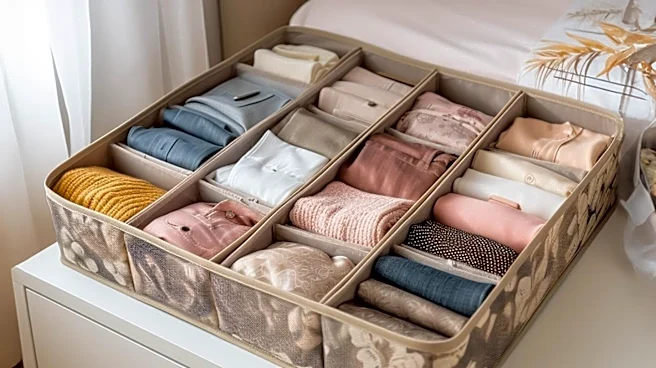
The Marie Kondo method, a Japanese organizing technique, is increasingly being adopted for its effectiveness in maximizing closet space, particularly for bulky items like coats and winter sweaters. This method advocates for vertical storage, where clothes
are folded to stand upright like books on a shelf, rather than being hung on hangers or stacked horizontally. This approach is a departure from traditional Western methods of clothing storage. Proponents of the KonMari method claim it can free up to 30% of wardrobe space without requiring any additional furniture or costly materials. The technique involves specific folding steps to flatten garments, making them more compact and allowing them to be stored side-by-side in drawers or on shelves. This not only saves space but also improves visibility, preventing items from being forgotten at the back of a closet. The method is especially beneficial for those with limited storage space, such as urban dwellers in smaller homes.
Why It's Important?
The growing adoption of the Marie Kondo method for clothing storage reflects a broader societal shift towards minimalism and efficient living in the U.S. As living spaces become more compact, particularly in urban areas, consumers are actively seeking practical and cost-effective solutions to manage clutter and optimize their homes. This trend impacts various industries, from home organization product manufacturers to lifestyle influencers and authors who promote decluttering techniques. For consumers, the method offers a tangible benefit of increased storage capacity and reduced stress associated with disorganized living spaces, without the need for significant financial investment. The emphasis on visibility and accessibility of clothing items can also lead to more mindful consumption habits, as individuals become more aware of their wardrobe contents and potentially reduce impulse purchases. This shift could influence retail trends, with a greater demand for modular storage solutions and less emphasis on traditional bulky wardrobe units.
What's Next?
As the Marie Kondo method continues to gain popularity, it is likely to further influence home organization practices and product development in the U.S. We may see an increase in demand for specific types of storage solutions that complement vertical folding, such as drawer dividers, modular bins, and shallow shelving units designed to hold folded garments upright. Lifestyle brands and home improvement retailers are likely to capitalize on this trend by offering workshops, guides, and products tailored to the KonMari method. Furthermore, the principles of vertical storage could extend beyond clothing to other household items, prompting innovations in storage solutions for kitchens, offices, and other areas. The method's emphasis on decluttering and mindful organization may also encourage a broader cultural shift towards more sustainable consumption and a reduction in material possessions, impacting the second-hand market and donation practices.
Beyond the Headlines
Beyond its immediate practical benefits, the widespread adoption of the Marie Kondo method touches upon deeper psychological and cultural implications. The act of organizing and decluttering, as promoted by Kondo, often extends beyond physical space to mental well-being, fostering a sense of control and calm in an increasingly chaotic world. This approach challenges the consumerist culture of accumulation by encouraging individuals to critically evaluate their possessions and retain only what 'sparks joy.' Ethically, this could lead to a more conscious approach to consumption, reducing waste and promoting sustainability. Culturally, it represents an embrace of Japanese organizational philosophies that prioritize order, efficiency, and mindfulness in daily life. The method's simplicity and accessibility, requiring no expensive tools, democratizes home organization, making it attainable for a wider demographic and potentially fostering a greater appreciation for intentional living.