





What's Happening?
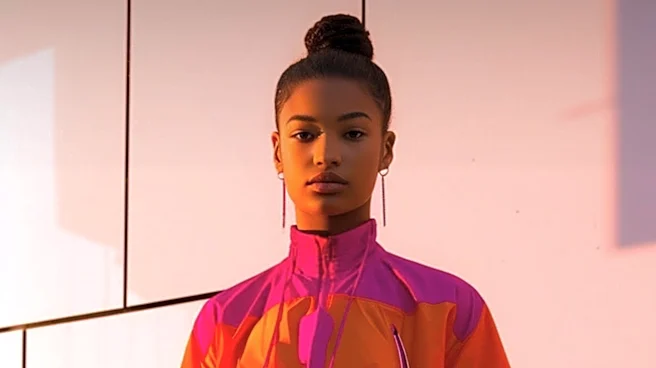
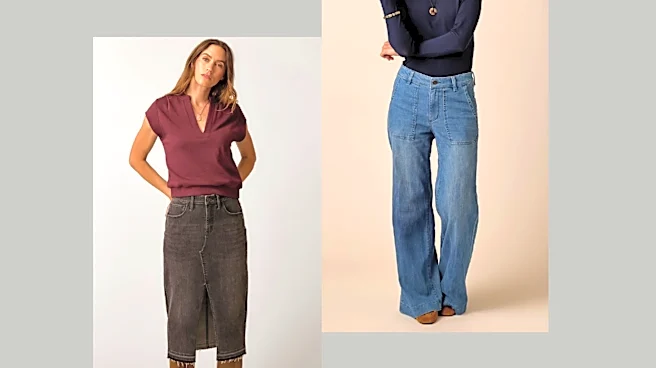
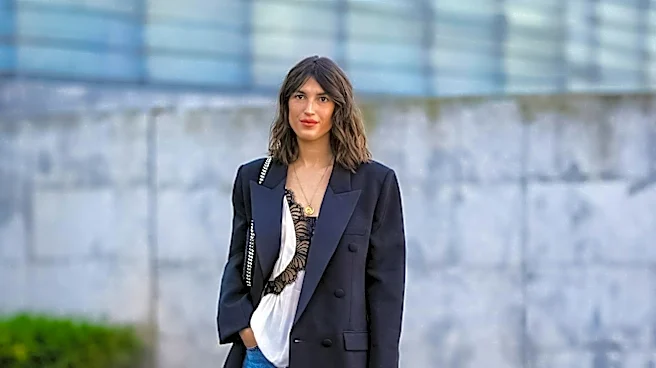
The term 'Outfit Of The Day' (OOTD) has become a prevalent abbreviation in online conversations, particularly within fashion and lifestyle communities. OOTD refers to the complete ensemble of clothes, accessories, and shoes chosen for a specific day,
and its popularity has surged with the rise of visual social media platforms like Instagram and TikTok. Fashion influencers frequently use OOTD to share daily styling content, often including details, links, and brand tags. This trend is not limited to high fashion; it encompasses casual wear, work attire, and everyday styles, allowing individuals to express personal fashion choices and creativity. For fashion brands, OOTD creators are a common type of influencer for gifting programs, especially those with smaller followings, who often post about gifted items without mandatory requirements. The abbreviation has become a standard part of internet culture and influencer language, making posts easier to understand and categorize.
Why It's Important?
The widespread adoption of OOTD signifies a significant shift in how fashion is consumed and marketed in the U.S. and globally. For fashion brands, understanding and leveraging OOTD content is crucial for reaching younger demographics, particularly Gen Z, who are highly active on platforms like TikTok. The organic discovery potential on TikTok, where a well-executed outfit video can reach millions, offers an unmatched opportunity for brands to gain visibility without extensive paid amplification. Gifting programs, often centered around OOTD creators, provide a cost-effective way for brands to generate authentic content and build relationships with influencers. The emphasis on sustainable and ethical fashion within OOTD content also reflects a growing consumer demand for conscious choices, pushing brands to align with these values. This trend impacts not only marketing strategies but also product development, as brands increasingly consider how their items will be featured in daily styling content.
What's Next?
The continued evolution of social media platforms will likely further integrate OOTD content into shopping experiences. We can expect to see more sophisticated affiliate commission programs and direct shopping integrations within platforms, allowing for seamless transitions from content viewing to purchasing. Fashion brands will likely increase their investment in influencer marketing, particularly with OOTD creators, to maintain relevance and connect with their target audiences. The focus on authenticity and FTC compliance in gifting programs will also continue to be a key consideration. Furthermore, as sustainable fashion gains more traction, OOTD content will increasingly highlight secondhand finds, ethical brands, and slow fashion choices, influencing consumer purchasing habits and brand responsibilities. The dynamic nature of online trends suggests that while OOTD will remain a core concept, its presentation and associated platforms may continue to evolve.
Beyond the Headlines
The phenomenon of OOTD extends beyond mere fashion display; it reflects deeper societal trends related to self-expression, identity formation, and the democratization of fashion. It empowers individuals to become their own stylists and content creators, challenging traditional fashion gatekeepers. The emphasis on daily outfits fosters a culture of constant visual sharing and personal branding, where clothing choices become a form of communication. This also raises questions about consumerism and the pressure to constantly showcase new looks, even as sustainable fashion advocates for conscious consumption. The casual and accessible nature of OOTD has blurred the lines between everyday wear and aspirational fashion, making style more relatable and attainable for a broader audience. Moreover, the global reach of OOTD content contributes to the cross-cultural exchange of fashion ideas, influencing trends and personal styles worldwide.