







What's Happening?
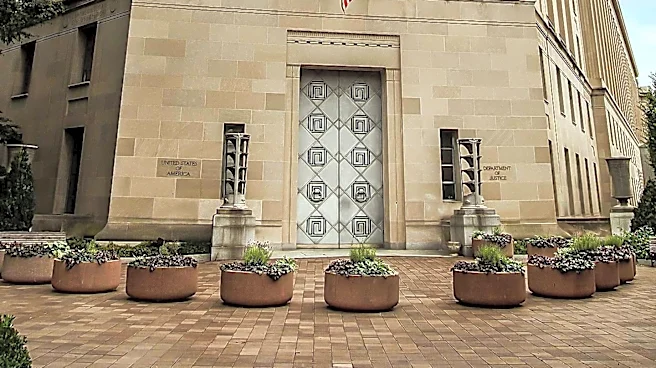
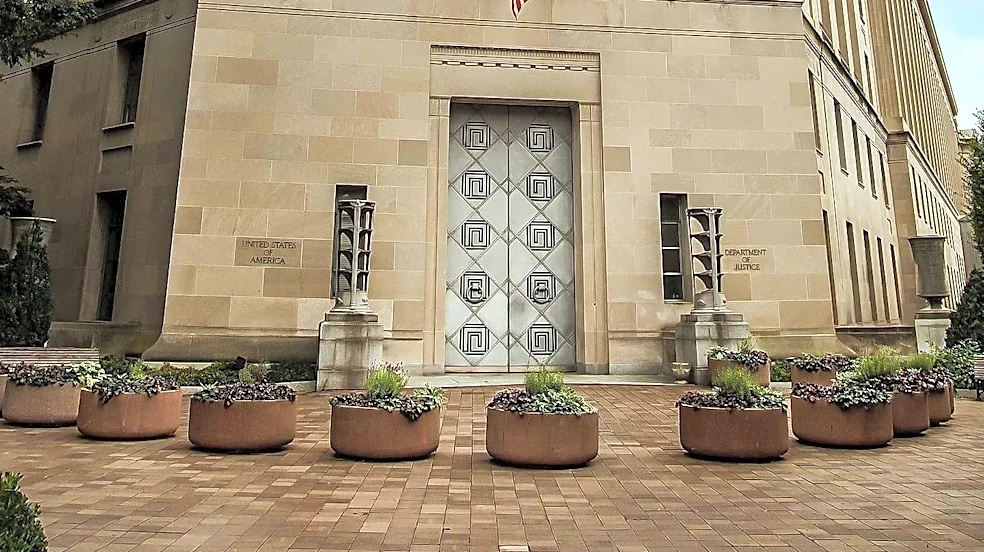
The Justice Department has filed a lawsuit against REPS & Company, a San Diego-based ticket broker, and three of its executives: CEO Ryan Pancheri, President Brian Archibald, and Chief Operating Officer Nicholas Totagrande. The lawsuit, filed on October
15, accuses the company of violating the Better Online Ticket Sales Act by bypassing online safeguards designed to enforce ticket limits. Federal lawyers allege that REPS & Company used thousands of accounts, virtual credit cards, and specialized software to circumvent these limits, primarily targeting high-demand events. As an example, the complaint highlights the company's alleged purchase of 7,624 tickets for Beyoncé's October 1, 2023, concert at Arrowhead Stadium, despite a purchase limit of four to eight tickets per person. The government estimates that REPS & Company profited approximately $833,323 from the resale of tickets for this single event. The lawsuit claims that the company spent over $1.3 billion to acquire more than 18.5 million tickets for at least 83,500 events where it exceeded the eight-ticket limit, generating at least $120.8 million in profit from resales. The complaint also mentions an 'Error Bible' used by REPS & Company to instruct employees on how to bypass Ticketmaster's ticket limit controls.
Why It's Important?
This lawsuit is significant because it addresses a long-standing issue in the live event industry: the ability of ticket brokers to acquire large quantities of tickets, often through illicit means, and resell them at inflated prices. This practice directly impacts consumers, who are forced to pay significant markups for tickets to popular events. The Better Online Ticket Sales Act was enacted to prevent such activities, and the Justice Department's action underscores a commitment to enforcing these regulations. The alleged scale of REPS & Company's operations, involving billions of dollars in ticket purchases and millions in profits, highlights the financial incentives driving these practices. By targeting a major player in the secondary ticket market, the government aims to deter similar conduct and ensure fairer access to tickets for the general public. This case could set a precedent for how ticket brokers operate and how online ticketing platforms implement and enforce their purchase limits, potentially leading to a more equitable ticketing landscape for fans.
What's Next?
The Justice Department has requested a permanent order to stop the alleged conduct, financial relief, and civil penalties from the Southern District of California court. While a specific dollar amount for financial relief was not specified, the government is seeking to recover profits made through the alleged illegal activities and impose penalties for the violations. The legal proceedings will likely involve discovery, motions, and potentially a trial, during which REPS & Company and its executives will have the opportunity to respond to the allegations. The outcome of this case could lead to significant changes in the ticket resale market, potentially forcing brokers to adhere more strictly to ticket limits and online safeguards. It may also prompt ticketing platforms to enhance their security measures to prevent similar circumvention tactics. The company has not yet responded to requests for comment, and their legal defense strategy remains to be seen.
Beyond the Headlines
This case delves into the ethical and legal complexities of the secondary ticket market, where the line between legitimate resale and exploitative practices can be blurred. The alleged use of an 'Error Bible' and a large network of accounts, including employees based in the Philippines, raises questions about the sophistication and deliberate nature of these operations. It also highlights the ongoing technological arms race between ticketing platforms attempting to enforce limits and brokers seeking to bypass them. Beyond the immediate financial implications, the lawsuit touches upon the broader issue of consumer access and fairness in entertainment. When tickets are hoarded and resold at exorbitant prices, it can exclude a significant portion of the public from attending cultural events, impacting the accessibility and inclusivity of live entertainment. The case could also spur a re-evaluation of existing regulations and potentially lead to new legislative efforts to further protect consumers in the digital ticketing age.