







What's Happening?
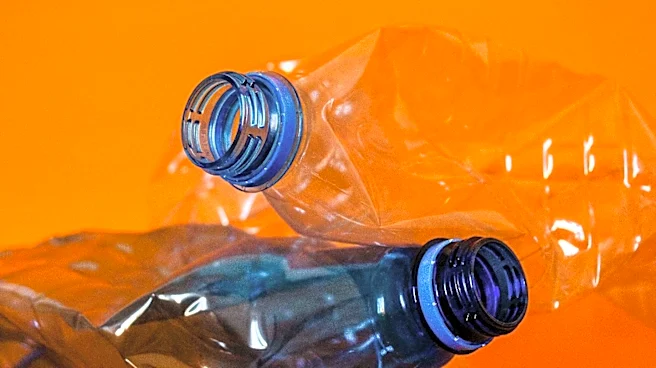
Asahi Beverages has announced that all of its Australian soft drink bottles are now made from 100% recycled plastic. This initiative includes major brands such as Schweppes, Solo, and Pepsi, which Asahi distributes under license from PepsiCo in Australia.
The company states that this conversion means hundreds of millions of bottles annually will now use repurposed plastic instead of virgin material. This transition was significantly aided by Asahi's investment in Container Deposit Schemes and its involvement in the Circular Plastics Australia (PET) joint venture, which led to the construction of Australia’s two largest PET plastic bottle recycling plants in Albury, NSW, and Altona, Melbourne. These facilities have boosted the domestic supply of recycled plastic, allowing Asahi to source more materials locally. According to Asahi Beverages Group CEO Amanda Sellers, this move provides consumers and retailers with assurance that their soft drink bottles are sustainably sourced.
Why It's Important?
This move by Asahi Beverages highlights a growing trend among global beverage companies to enhance their sustainability credentials by adopting recycled plastics. For the U.S. market, this development underscores the increasing pressure on corporations to implement circular economy principles and reduce their environmental footprint. While this specific action is in Australia, it sets a precedent and demonstrates the feasibility of large-scale transitions to recycled materials, which could influence similar initiatives and regulatory discussions in the U.S. The investment in recycling infrastructure, as seen with the PET plastic bottle recycling plants, is crucial for creating a robust supply chain for recycled content. This could encourage U.S. companies and policymakers to explore similar investments to meet sustainability goals, reduce reliance on virgin plastics, and potentially create new domestic industries for recycling and recycled material production. Consumers in the U.S. are increasingly demanding sustainable products, and such corporate actions, even internationally, can shape expectations and competitive landscapes.
What's Next?
Following Asahi Beverages' successful transition in Australia, other major beverage companies globally, including those operating in the U.S., may face increased pressure from consumers, environmental groups, and potentially regulators to accelerate their own commitments to using 100% recycled plastic in their packaging. This could lead to further investments in recycling infrastructure and technology within the U.S. to ensure a sufficient supply of high-quality recycled PET. We might see more collaborations between beverage companies, waste management firms, and packaging manufacturers to establish similar joint ventures for recycling plants. Additionally, this development could influence policy discussions around extended producer responsibility (EPR) schemes and recycled content mandates in various U.S. states or at the federal level, as it demonstrates the practical viability of such transitions on a large scale. Companies that lag in adopting sustainable packaging solutions may face reputational risks and competitive disadvantages.
Beyond the Headlines
The shift to 100% recycled plastic by a major beverage company like Asahi Beverages in Australia has deeper implications for the global plastics economy and waste management. It signifies a move away from a linear 'take-make-dispose' model towards a more circular approach, where materials are kept in use for as long as possible. This not only reduces the demand for virgin fossil fuel-based plastics but also addresses the growing problem of plastic waste pollution. Ethically, it responds to public concern over environmental degradation and corporate responsibility. Legally, it could foreshadow more stringent regulations on plastic use and recycling across different jurisdictions, including the U.S., as governments seek to meet climate and waste reduction targets. Culturally, it reinforces the idea that sustainable practices are not just an environmental imperative but also a sound business strategy, potentially shifting consumer expectations and industry norms towards greater environmental stewardship.