






What's Happening?
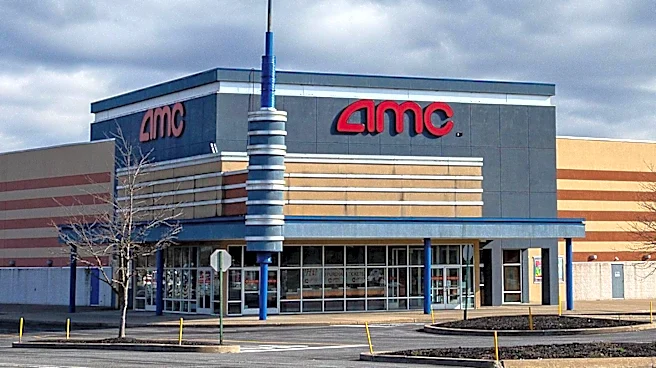
AMC Entertainment Holdings, Inc., the world's largest movie theater chain, has announced the creation of Leawood Films, a new film distribution company. Headquartered in Los Angeles and Leawood, Kansas, the venture aims to bring more movies to theatrical
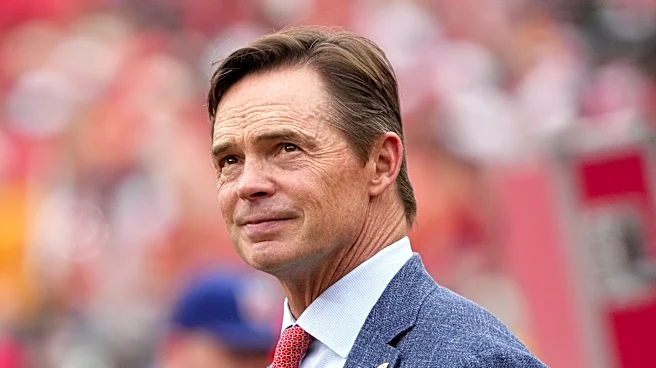
audiences in the U.S. and globally. Leawood Films will focus on distributing films that are either fully financed by filmmakers or already completed, rather than engaging in production financing or script development. This strategy is designed to be a low-risk opportunity for AMC, leveraging its exhibition network and marketing capabilities. The company will primarily target small and medium-sized releases, including various film genres, and will not be limited to music or concert-oriented movies, despite AMC's past success in that area. Distinguished Hollywood veterans Toby Emmerich, Ricky Strauss, and Kyle Davies will advise the new venture, reporting to AMC Entertainment Chairman and CEO Adam Aron. The initiative is expected to complement, not compete with, AMC's existing relationships with major studios and distributors.
Why It's Important?
The launch of Leawood Films by AMC is a significant development for the U.S. film industry, particularly for independent filmmakers and the theatrical exhibition sector. By focusing on already financed or completed films, Leawood Films addresses a critical gap in the market where many smaller productions struggle to secure distribution. This could lead to a greater diversity of content available to moviegoers, potentially revitalizing the theatrical experience beyond blockbuster releases. For AMC, this move aims to utilize the existing excess capacity in movie theaters, turning it into an asset by increasing the supply of films. This initiative could also offer more favorable economic terms for filmmakers compared to traditional studio distribution arrangements, as the majority of downstream revenues and intellectual property ownership are intended to remain with the creators. The involvement of seasoned industry executives like Toby Emmerich and Ricky Strauss lends credibility and expertise to the new venture, suggesting a well-planned approach to navigating the complexities of film distribution.
What's Next?
Leawood Films has not yet selected its initial films for release, with the first projects anticipated to launch in calendar years 2027 or 2028. The company plans to collaborate with other leading movie theater circuits domestically and internationally, indicating a broad reach for its distribution efforts. Filmmakers with fully financed or completed projects will likely be looking to Leawood Films as a new avenue for theatrical release, especially those whose films might otherwise struggle to find distribution. The success of this venture will depend on its ability to consistently identify and market compelling films that resonate with audiences, as well as its effectiveness in partnering with other exhibitors. The industry will be watching to see how Leawood Films integrates into the existing distribution landscape and whether it can indeed significantly increase the number of small and mid-budget films reaching the big screen, thereby impacting the overall health and diversity of the U.S. film market.
Beyond the Headlines
This strategic move by AMC reflects a broader trend in the entertainment industry where traditional boundaries between exhibition and distribution are blurring. By entering distribution, AMC is taking a more active role in shaping the content available to its audiences, potentially influencing film production decisions and market dynamics. The emphasis on retaining intellectual property and downstream revenues for filmmakers could empower independent creators, fostering a more artist-friendly ecosystem. However, it also raises questions about potential conflicts of interest, even if AMC states it will not compete with major studios. The initiative could set a precedent for other exhibitors to explore similar models, further decentralizing film distribution and challenging the long-standing dominance of major studios. Ultimately, Leawood Films represents an adaptive response to evolving audience preferences and the need to maximize theater utilization in a post-pandemic landscape, potentially reshaping how films are brought to market in the U.S. and beyond.