







What's Happening?
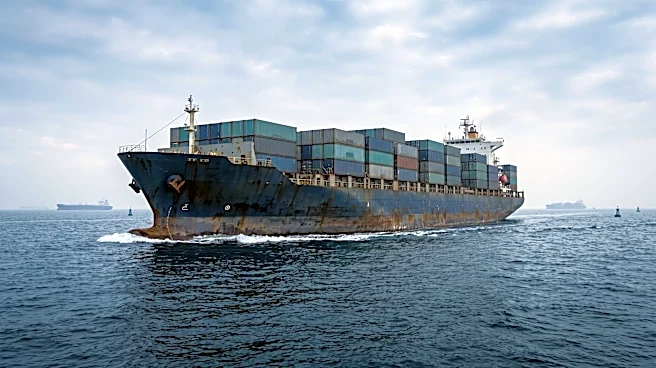
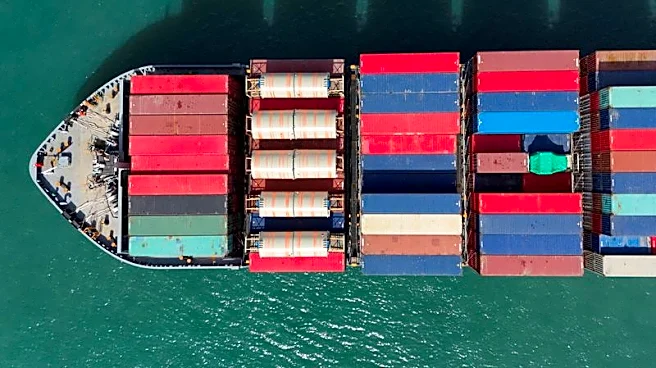
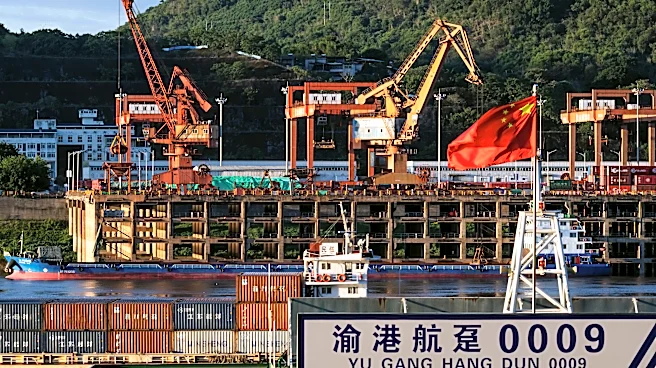
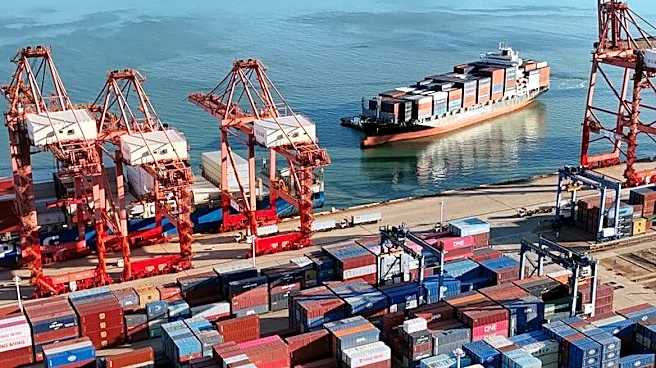
One of China's largest ports, which already owns a shipping line, is reportedly expanding its maritime operations. This shipping line has historically concentrated on regional routes but is now seeking to acquire much larger vessels and is preparing to make
long-term commitments in the global shipping market. This strategic shift suggests a potential move towards becoming a significant international player. For existing carriers, ports, and cargo owners, this development could introduce a new dynamic of competition. The expansion raises questions about whether a new global rival is emerging in the shipping industry, potentially altering established market structures and competitive landscapes.
Why It's Important?
This development is significant because it could fundamentally reshape competition within the global shipping industry. A port-backed shipping line with ambitions for larger vessels and long-term commitments could leverage its integrated port operations to offer highly competitive rates and services, potentially disrupting the market share of established global carriers. This could lead to increased pressure on freight rates, forcing other shipping lines to innovate or consolidate. For cargo owners, it might present new options for shipping, potentially with cost advantages or improved logistical integration. However, it also raises concerns about market concentration and fair competition if a single entity controls both port infrastructure and a major shipping fleet. The U.S. and other nations heavily reliant on global trade will be watching closely for impacts on supply chain efficiency and costs.
What's Next?
The next steps will likely involve the Chinese port-owned shipping line actively pursuing the acquisition of larger vessels and formalizing long-term contracts. This expansion will be closely monitored by major global shipping alliances and independent carriers, who may respond by adjusting their own strategies, such as forming new partnerships, optimizing routes, or investing in their own fleets. Regulatory bodies in various countries may also scrutinize this expansion for potential anti-competitive practices. The market will observe how quickly this new entity can scale its operations and what impact it has on freight rates and service levels on key international trade lanes. The long-term implications could include a shift in global shipping power dynamics.
Beyond the Headlines
The emergence of a port-backed shipping giant from China highlights a broader trend of vertical integration and state-backed enterprises playing a more prominent role in global logistics. This model, where a single entity controls both the infrastructure (port) and the means of transport (shipping line), could offer significant efficiencies and cost advantages, but also raises geopolitical and economic concerns. It could be seen as a strategic move by China to exert greater control over global supply chains, potentially influencing trade flows and economic leverage. The ethical implications revolve around fair competition and the potential for market dominance by state-supported entities, which could disadvantage privately-owned international shipping companies. This development could also accelerate the adoption of new technologies and operational models as competitors strive to maintain their edge.