




What's Happening?
Redwood Materials and Rivian have expanded their existing partnership to include comprehensive electric vehicle (EV) battery recycling at Rivian’s Normal, Illinois, vehicle factory and potentially other Rivian-owned sites. This expanded agreement will
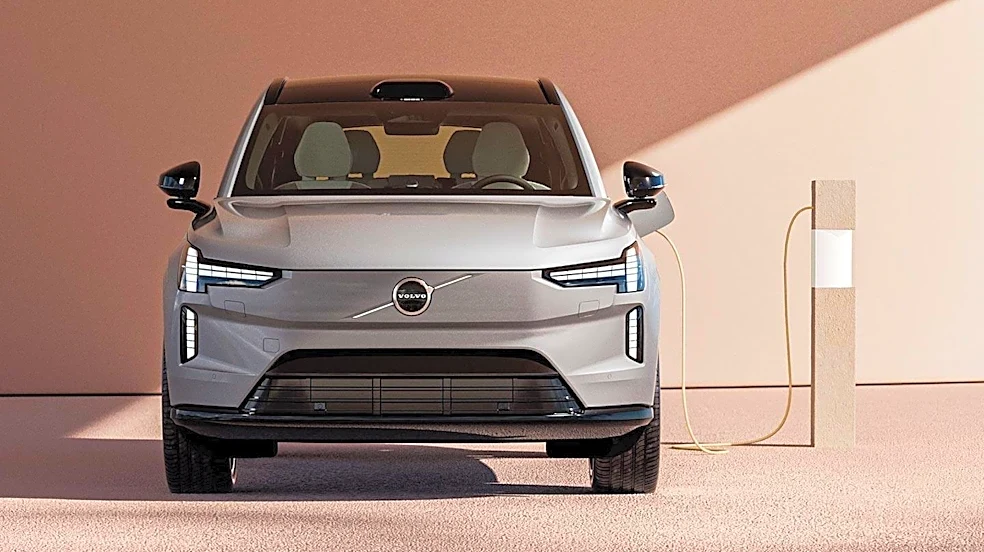
see Redwood collect, sort, and recycle Rivian’s battery production scrap materials, reintroducing them into the manufacturing process. The goal is to minimize waste and reduce costs compared to using virgin materials. Additionally, retired Rivian batteries will be repurposed for stationary energy storage projects before their critical materials, such as nickel, cobalt, copper, and lithium, are recycled with up to 99% efficiency. This initiative builds on an earlier agreement where Rivian utilized 10 MWh of energy storage from repurposed Rivian battery packs for its R2 production line. Rivian joins other major EV brands, including BMW, Ford, Toyota, and Volvo, in formal battery recycling partnerships with Redwood Materials.
Why It's Important?
This expanded partnership is a significant step towards establishing a circular economy for EV batteries in the United States. By recycling production scrap and end-of-life batteries, the initiative addresses critical environmental concerns associated with battery disposal and reduces the demand for newly mined raw materials. This not only lessens the ecological footprint of EV manufacturing but also enhances the security of the domestic supply chain for essential battery components, making the U.S. less reliant on foreign sources. The repurposing of retired EV batteries for stationary energy storage also provides a sustainable solution for grid energy storage, contributing to grid stability and renewable energy integration. For Rivian, this partnership reinforces its commitment to sustainability and potentially offers cost efficiencies by recovering valuable materials. For Redwood Materials, it solidifies its position as a key player in the burgeoning battery recycling industry, demonstrating the viability of large-scale material recovery.
What's Next?
The partnership is expected to scale up as Rivian's production, particularly with the launch of the more affordable R2 model, increases the volume of battery materials requiring recycling and repurposing. Redwood Materials will likely continue to refine its collection, sorting, and recycling processes to maximize material recovery and efficiency. This collaboration could serve as a model for other EV manufacturers and battery producers looking to implement sustainable practices. We may see further investments in recycling infrastructure and technology to handle the growing volume of EV batteries reaching their end-of-life or generating production scrap. The success of this partnership could also influence policy decisions regarding battery recycling mandates and incentives, further accelerating the development of a robust circular economy for batteries in the U.S. and potentially leading to more widespread adoption of similar recycling programs across the automotive industry.
Beyond the Headlines
Beyond the immediate economic and environmental benefits, this partnership highlights a fundamental shift in how industries view product lifecycles. The concept of 'second life' for EV batteries, where they are repurposed for less demanding applications like stationary storage before full recycling, represents a paradigm shift towards maximizing resource utility. This approach not only conserves resources but also creates new economic opportunities in energy storage solutions. Ethically, it addresses the responsibility of manufacturers for the entire lifecycle of their products, moving towards a more sustainable and accountable industrial model. Culturally, it contributes to a growing awareness and expectation among consumers for environmentally responsible manufacturing. This initiative also underscores the critical role of innovation in addressing complex challenges like resource scarcity and waste management in the transition to a green economy.