







What's Happening?
ContactPigeon emphasizes the growing importance of conversational analytics in retail for optimizing campaign performance. This approach allows marketing teams to explore business data through natural-language queries and follow-up questions, providing
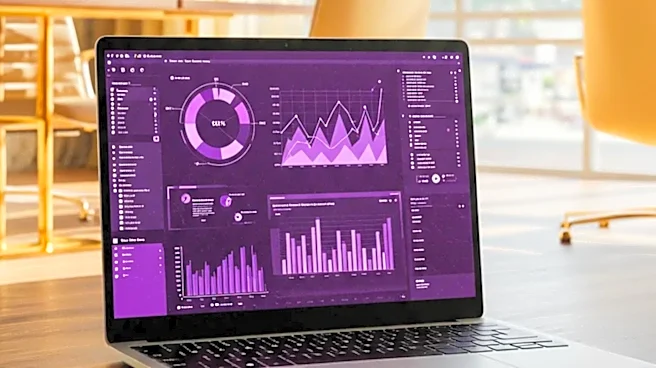
deeper insights into campaign effectiveness. Instead of relying solely on traditional dashboards that show revenue or purchase rates, conversational analytics helps marketers understand the 'why' behind performance changes. For instance, it can differentiate whether a decline in revenue is due to fewer customers buying or existing buyers spending less. This capability enables more informed decisions regarding audience targeting, offer adjustments, product selection, and campaign timing. The system relies on connected and consistently defined data, ensuring that customer, campaign, and transaction records accurately describe the same people and measurement periods, thereby preventing issues like duplicate profiles or incomplete purchase histories.
Why It's Important?
The adoption of conversational analytics is critical for U.S. retail marketers seeking to maximize their return on investment in an increasingly competitive landscape. By providing a more intuitive and in-depth understanding of campaign data, it allows for precise adjustments that can significantly improve profitability. For example, identifying that a campaign underperformed because it targeted too many recent purchasers with a low purchase rate, rather than an issue with the discount itself, can prevent unnecessary budget allocation to deeper discounts. This precision helps avoid wasted marketing spend and ensures that promotional efforts are aligned with actual customer behavior and preferences. The ability to quickly explore data and gain actionable insights empowers marketing leaders to make agile decisions, which is vital for responding to dynamic market conditions and evolving consumer trends.
What's Next?
Retail marketing teams are expected to increasingly integrate conversational analytics tools into their campaign planning and review processes. This will involve training marketing professionals to leverage natural-language queries for data exploration and decision-making. The focus will be on ensuring data consistency and completeness across all customer touchpoints to support accurate analysis. Companies like ContactPigeon will likely continue to develop and refine their AI-powered platforms, offering more sophisticated capabilities for identifying trends, predicting outcomes, and recommending optimal strategies. The goal is to move beyond basic reporting to a more proactive and intelligent approach to marketing, where insights are directly translated into actionable campaign adjustments, leading to continuous improvement in performance and customer engagement.
Beyond the Headlines
The rise of conversational analytics in retail signifies a broader shift towards more intelligent and human-like interactions with data. This technology not only streamlines marketing decisions but also democratizes data analysis, allowing non-technical marketing professionals to derive complex insights without needing specialized data science skills. This could lead to a more data-literate marketing workforce and foster a culture of continuous experimentation and optimization. However, it also highlights the critical importance of data quality and governance; inaccurate or incomplete data can lead to flawed insights and misguided strategies. Furthermore, as AI becomes more integrated into decision-making, there will be an ongoing need to balance algorithmic recommendations with human intuition and ethical considerations, ensuring that personalization does not cross into intrusive or manipulative practices.