








What's Happening?
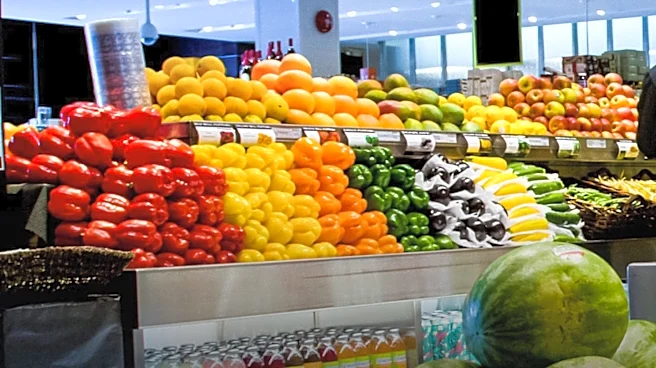
Fast-food chains in the United States are experiencing increased competition from grocery stores as consumers seek more cost-effective dining options. According to Placer.ai, a location analytics firm, the trend is driven by inflation-weary consumers who
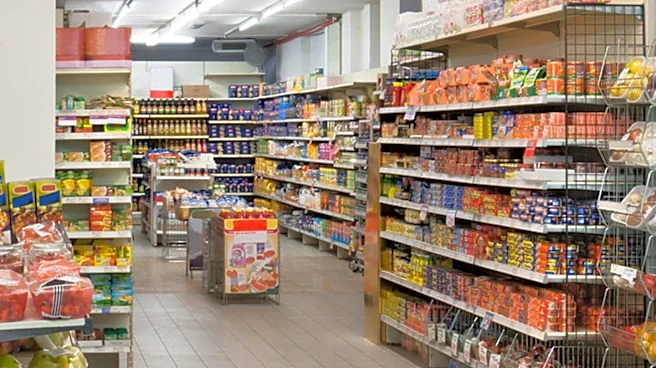
are re-evaluating what constitutes good value. Grocery stores and superstores have expanded their prepared-food offerings, such as grab-and-go meals, sushi counters, and hot bars, which are becoming viable alternatives to traditional fast-food meals. This shift is affecting restaurant traffic, particularly in the quick-service segment, which has seen a decline in foot traffic over recent months. In contrast, fast-casual and fine dining establishments have shown more resilience. The narrowing cost gap between fast-food chains and grocery-prepared foods, along with fast-casual options, is making these alternatives more attractive to consumers.
Why It's Important?
The growing competition from grocery stores poses a significant challenge to fast-food chains, which have traditionally competed against each other. As consumers increasingly opt for grocery-prepared meals, fast-food chains may need to innovate and adjust their pricing strategies to maintain market share. This trend could lead to a shift in the food industry, with grocery stores capturing a larger portion of consumer spending on meals. For fast-food chains, this means re-evaluating their value propositions and potentially investing in menu innovation and affordability to attract cost-conscious diners. The outcome of this competition could impact the profitability and strategic direction of major fast-food brands, influencing their operations and marketing strategies.
What's Next?
Fast-food chains are likely to continue emphasizing value and affordability in their offerings to compete with grocery stores. Companies like McDonald's and Yum Brands are already focusing on value platforms and menu innovation to attract diners. As household budgets remain under pressure, fast-food chains may need to explore new ways to differentiate themselves from grocery-prepared meals. This could involve enhancing the dining experience, improving convenience, or offering unique menu items that grocery stores cannot easily replicate. Additionally, the industry may see increased investment in technology and delivery services to provide added convenience to consumers.