






What's Happening?
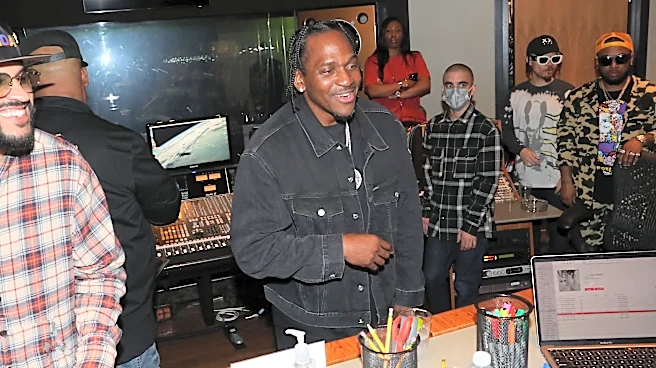
In a recent interview with Rolling Stone, rapper Vince Staples discussed his financial situation and his perspective on artists evolving beyond traditional hip-hop sounds. Staples, who sat down with Jeff Ihaza at New York's Cherry Lane Theatre, stated
that despite his fame, he is not as wealthy as some fans might assume. He clarified, "I'm not rich like that. I got some bread, but I'm not rich. I got less money than the anesthesiologist." He also addressed the notion that Black artists 'abandon' hip-hop when they incorporate different genres into their music. Staples argued that such a viewpoint indicates a lack of understanding about hip-hop's diverse nature, stating, "If you say that utilizing certain sounds is abandoning hip-hop, then you don't know enough about hip-hop to have a conversation about it." He further explained that he views performing as a job, acknowledging the financial realities and upfront costs associated with touring, such as insurance and venue fees.
Why It's Important?
Vince Staples' comments shed light on the economic realities faced by many artists, even those with significant public profiles. His distinction between 'having some bread' and being 'rich' challenges common fan perceptions of celebrity wealth, which often overestimate the financial gains of entertainers. This perspective is important for understanding the business side of the music industry, where touring and performance, while appearing glamorous, involve substantial financial risks and overheads. Furthermore, his defense of genre evolution within hip-hop is significant for the broader cultural discourse surrounding artistic freedom and the definition of musical genres. It pushes back against purist views that can stifle creativity and limit the artistic expression of musicians, particularly within a genre as historically dynamic as hip-hop. This conversation impacts how artists are perceived, how their work is categorized, and the expectations placed upon them by both fans and critics.
What's Next?
Staples' interview may prompt further discussions within the music industry and among fans regarding artist compensation and the financial transparency of celebrity careers. Other artists might be encouraged to share their own experiences, potentially leading to a more realistic public understanding of the economics of fame. His stance on hip-hop's evolution could also fuel ongoing debates about genre boundaries and artistic innovation, potentially influencing how new music is received and categorized. As artists continue to experiment with sounds and styles, Staples' perspective provides a framework for understanding these creative shifts not as abandonment, but as natural progression. This could lead to a more open-minded critical reception of genre-bending music and encourage greater artistic exploration.
Beyond the Headlines
The deeper implications of Staples' remarks touch upon the societal tendency to conflate fame with immense wealth, often overlooking the complex financial structures and expenses involved in maintaining a public career. This misconception can create unrealistic expectations for artists and contribute to a lack of empathy for their professional challenges. Culturally, his comments on hip-hop's evolution highlight a recurring tension between tradition and innovation in art. The idea of 'abandoning' a genre often carries a moralistic undertone, suggesting a betrayal of roots. Staples' counter-argument emphasizes that artistic growth and genre fluidity are inherent to hip-hop's history and future, challenging rigid definitions and promoting a more inclusive understanding of cultural development. This broader discussion extends to how society values and defines artistic authenticity in a rapidly changing creative landscape.