






What's Happening?
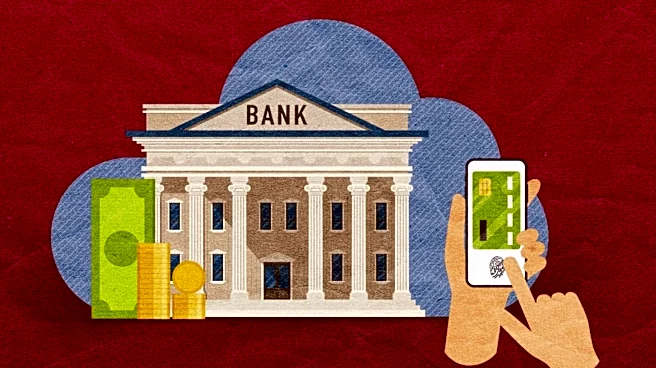
The Bank of Canada has commenced consultations regarding its proposed supervisory approach for participants in the upcoming open banking system. This initiative precedes the official launch of open banking in Canada, a framework designed to enhance how
customers interact with their banks by enabling secure data sharing and streamlined financial services. The central bank will be responsible for overseeing participants in this consumer-driven banking model, establishing standards for governance, risk management, and operational resilience. The initial phase of consultations seeks feedback on the bank's accreditation process for firms intending to participate, including third-party service providers and various financial institutions. Third-party providers encompass entities that manage consumer consent, authentication information, and data exchange, while participating firms include federal and provincial financial institutions like banks, lenders, credit unions, and registered payment service providers. Stakeholders have until December 8 to provide their input on the clarity, practicality, and completeness of the proposed guidelines.
Why It's Important?
The Bank of Canada's consultation marks a significant step towards implementing open banking, a system poised to transform the financial landscape. By establishing a robust supervisory framework, the central bank aims to ensure the security, stability, and integrity of financial data exchange within the new ecosystem. This move is crucial for fostering consumer trust and encouraging widespread adoption of open banking services. For financial institutions, the guidelines will define the operational and compliance requirements for participating in this evolving environment, potentially leading to new service offerings and increased competition. Third-party service providers, including fintech companies, stand to gain new opportunities for innovation and market entry, as they will be able to develop and offer services that leverage shared financial data. Ultimately, the success of open banking hinges on a well-regulated environment that balances innovation with consumer protection, making these initial consultations vital for shaping the future of financial services in Canada.
What's Next?
Following the initial consultation period, which concludes on December 8, the Bank of Canada will review the feedback received from stakeholders. This input will be instrumental in refining the proposed supervisory guidelines and accreditation processes for open banking participants. It is anticipated that the central bank will issue further consultations on other aspects of the open banking framework, progressively building out the regulatory structure. Financial institutions and third-party service providers will need to closely monitor these developments and begin preparing for compliance with the new standards. The accreditation process will be a critical next step for firms seeking to operate within the open banking ecosystem. The ultimate launch of open banking will depend on the successful establishment of these regulatory and operational frameworks, paving the way for a more interconnected and consumer-centric financial services industry in Canada.
Beyond the Headlines
The move towards open banking in Canada, spearheaded by the Bank of Canada's consultations, signifies a broader global trend in financial services. This shift has profound implications beyond mere technological integration, touching upon data privacy, consumer empowerment, and the competitive dynamics of the financial sector. The establishment of clear supervisory guidelines is not just about compliance; it's about building a new paradigm of trust in digital financial interactions. Ethical considerations surrounding data ownership and consent will be paramount, requiring continuous vigilance and adaptation of regulatory frameworks. Furthermore, the success of open banking could redefine the relationship between traditional banks and emerging fintech companies, fostering both collaboration and competition. This evolution could lead to a more personalized and efficient financial experience for consumers, but it also necessitates robust cybersecurity measures and clear accountability mechanisms to mitigate risks associated with data sharing. The Canadian approach will likely serve as a case study for other nations considering similar financial reforms.