







What's Happening?
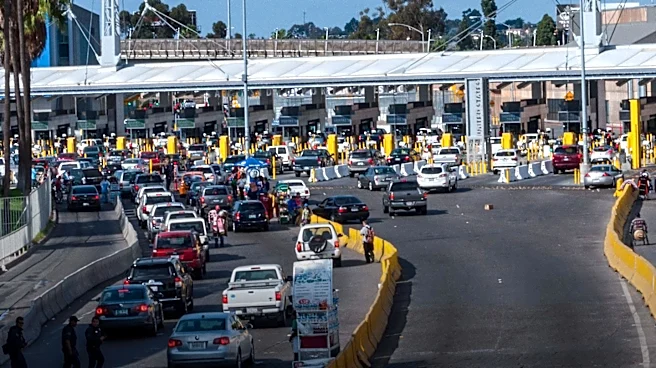
U.S. Customs and Border Protection (CBP) recently concluded a joint trade enforcement operation with Mexico’s Agencia Nacional de Aduanas de México (ANAM) at the Otay Mesa cargo export facility. This five-day operation specifically targeted potential
trade violations in in-bond shipments moving between the U.S. and Mexico, with a focus on high-value electronics and textiles. The enforcement efforts aimed to identify issues such as transshipment, undervaluation, inaccurate country-of-origin claims, and discrepancies in customs documentation. During the operation, 80 percent of targeted shipments were offloaded and inspected, revealing discrepancies or indicators that require further review, including issues related to value, classification, merchandise descriptions, quantities, and country-of-origin information. CBP will collaborate with ANAM on subsequent reviews, which will involve verifying manufacturers, importers, exporters, and claimed country-of-origin documentation. A significant outcome of this initiative was the improved real-time information exchange between the two customs agencies, allowing for the comparison of U.S. export records, commercial documentation, and Mexican customs data to detect inconsistencies and ensure compliance with trade requirements.
Why It's Important?
This joint operation is crucial for both the U.S. and Mexico as it directly addresses practices that undermine legitimate trade and lead to significant revenue losses for both nations. Trade violations like transshipment and undervaluation circumvent customs regulations and evade lawful duties, creating an unfair competitive environment for businesses that adhere to trade laws. The enhanced collaboration and information-sharing between CBP and ANAM are vital for detecting and disrupting sophisticated commercial-fraud schemes, particularly those involving transshipment and improper claims for preferential tariff treatment under the United States-Mexico-Canada Agreement (USMCA). By strengthening enforcement at the border, both countries aim to protect their economic interests, ensure fair trade practices, and maintain the integrity of their customs systems. This initiative signals a commitment to a more robust and coordinated approach to trade enforcement, which can deter illicit trade activities and foster a more secure and equitable trade environment.
What's Next?
Moving forward, CBP and ANAM plan to expand their information-sharing channels and coordinate targeted enforcement activities more frequently. They will also work to improve the timely verification of trade data. These ongoing efforts are designed to enhance the ability of both agencies to detect and disrupt complex commercial-fraud schemes, including those that involve routing goods through intermediary countries or misrepresenting their origin to gain preferential duty treatment. The continued collaboration is expected to lead to more efficient and effective enforcement actions, reducing the prevalence of trade violations. This sustained partnership will likely result in increased scrutiny of cross-border shipments, potentially leading to more investigations and penalties for non-compliant entities. Businesses engaged in trade between the U.S. and Mexico should anticipate a heightened level of enforcement and ensure strict adherence to all trade regulations and documentation requirements.