




What's Happening?
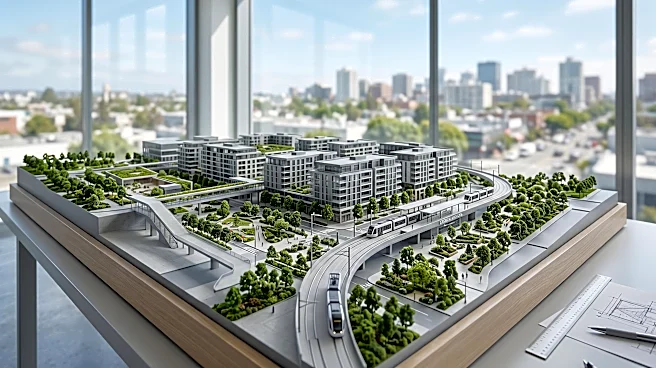
Fort Worth city leaders are taking initial steps to revitalize East Lancaster Avenue through proposed zoning changes. The plan aims to transform the historic transportation corridor, formerly part of the Bankhead Highway, by allowing denser, mixed-use
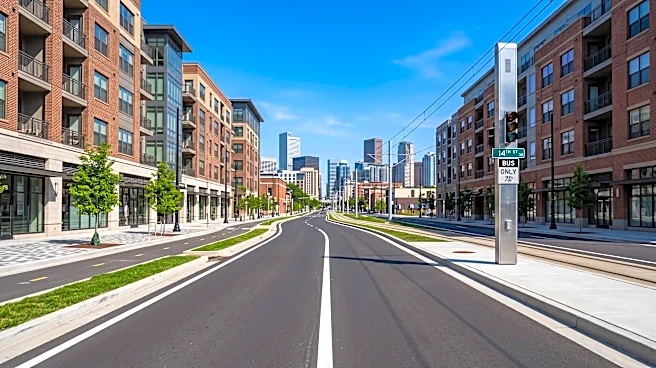
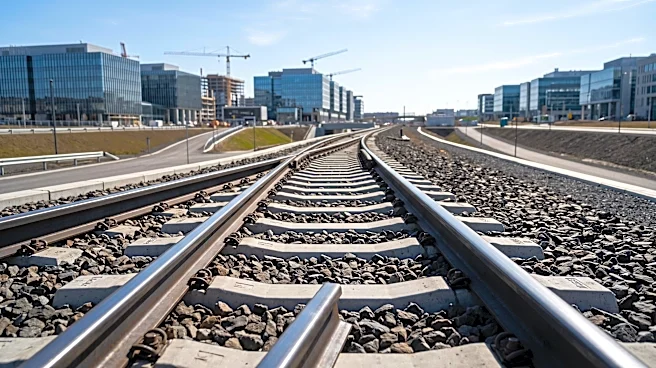
residential-retail projects. Existing businesses would largely remain operational under conditional use permits. This initiative follows a 2022 study by Trinity Metro that identified the corridor as a target for transit-oriented development, noting its high bus ridership. Construction along East Lancaster Avenue is slated to begin in 2027, with the Texas Department of Transportation planning to reconstruct the road from Interstate 35W to Dottie Lynn Parkway in Arlington. These improvements include a new stormwater management system, wider sidewalks for pedestrians and bicyclists, and new traffic signals equipped with technology to support rapid bus routes and emergency vehicles. The reconstruction is expected to conclude in 2030. Additionally, the area is part of a public improvement district that provides security guards, and efforts to address crime and code violations are underway, including the recent demolition of the Central Motel at 5800 E. Lancaster Ave. under the Nuisance Enforcement Task Force program.
Why It's Important?
The proposed zoning changes and revitalization efforts for East Lancaster Avenue are significant for Fort Worth's economic development and urban planning. By encouraging denser, mixed-use developments, the city aims to replicate the success seen in areas like the Near Southside District, fostering new economic activity and improving the quality of life for residents. The investment in infrastructure, including road reconstruction and enhanced public transit, will improve connectivity and accessibility, potentially attracting more businesses and residents to the area. This initiative could lead to increased property values, job creation, and a more vibrant community. Residents and local leaders, such as Carol Peters of the West Meadowbrook Neighborhood Association, view this as an opportunity to showcase East Fort Worth as a desirable place to live. The focus on transit-oriented development also aligns with broader urban trends emphasizing sustainable growth and reduced reliance on personal vehicles, benefiting environmental goals and public health.
What's Next?
The city will continue with the process of considering and implementing the proposed zoning changes for East Lancaster Avenue. Construction on the corridor, including road reconstruction by the Texas Department of Transportation, is scheduled to commence in 2027 and is expected to be completed by 2030. Local residents and community associations are actively involved, with plans to market the corridor to developers by creating six distinct districts tied to the area's historic electric railway system. These proposed districts, including Sycamore Heights, College Hill, Oakland Corners Urban Village, Bankhead, West Handley, and Historic Handley Urban Village, aim to give the corridor a unique identity and attract targeted investment. The ongoing efforts by the Nuisance Enforcement Task Force to address crime and code violations will continue to prepare the area for future development and ensure a safer environment for new businesses and residents.
Beyond the Headlines
The revitalization of East Lancaster Avenue represents a broader shift in urban development strategies, moving away from car-centric planning towards more walkable, mixed-use communities. This project highlights the challenges and opportunities in transforming older urban corridors that have experienced periods of decline. The emphasis on public improvement districts and nuisance enforcement underscores the complex interplay between urban renewal, public safety, and community engagement. The long-term success of this initiative will depend not only on zoning and infrastructure investments but also on sustained community involvement and the ability to attract diverse businesses and residents. This effort could serve as a model for other cities looking to breathe new life into their historic but underutilized transportation arteries, demonstrating how strategic planning and community collaboration can drive significant urban transformation.