




What's Happening?
Effective organization in small spaces, particularly home offices, kitchens, and closets, relies on strategic planning, vertical utilization, and decluttering. Key recommendations include keeping frequently used items within easy reach, labeling storage
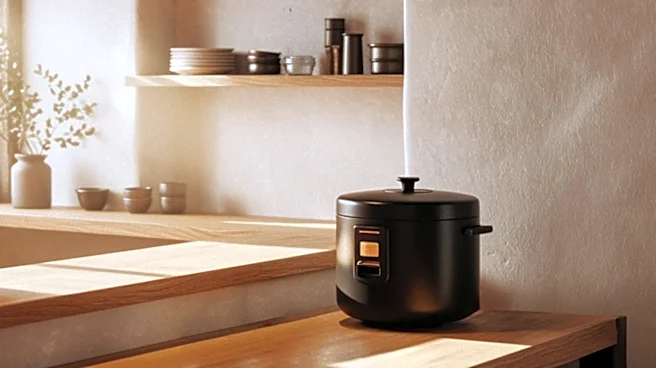
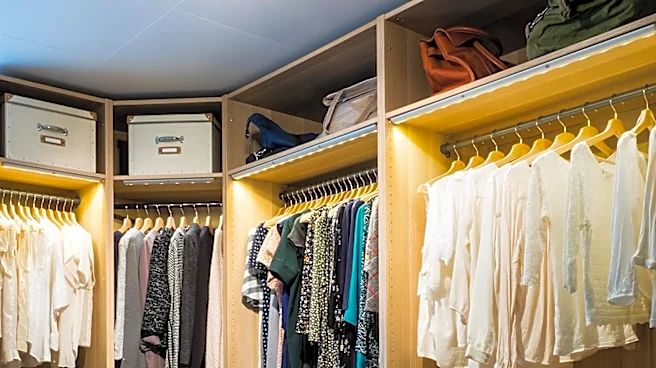
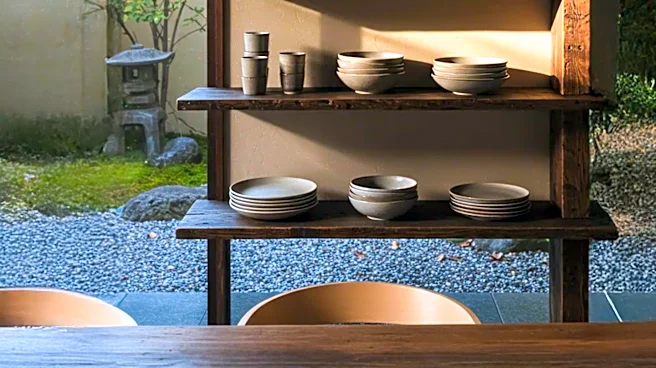
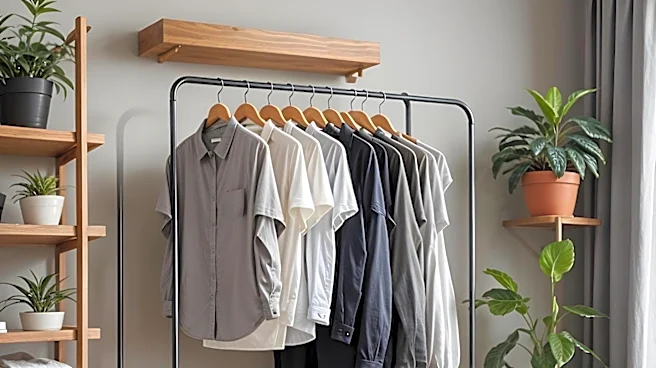
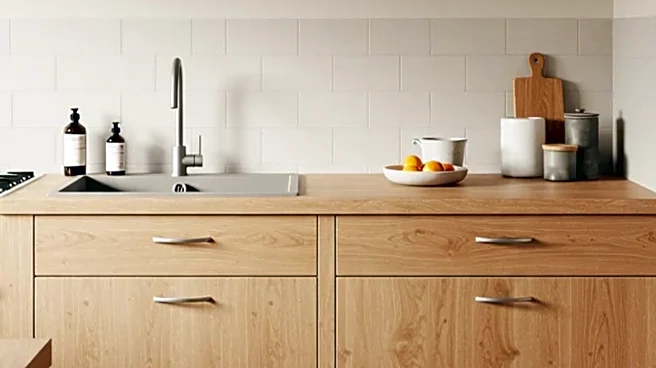
containers, and digitizing paperwork to reduce physical clutter. For office spaces, solutions like small drawer organizers, wall-mounted pegboards, hanging pockets, and compact rolling carts are suggested. Kitchens can benefit from floating shelves, hooks, and magnetic knife racks. In closets, creative hacks such as repurposing a paper towel holder for extra hanging space are highlighted. The overarching principle is to maximize existing space through compact cabinets, vertical shelves, and multi-purpose organizers rather than adding more furniture. This approach aims to create functional, clutter-free environments that enhance focus and comfort.
Why It's Important?
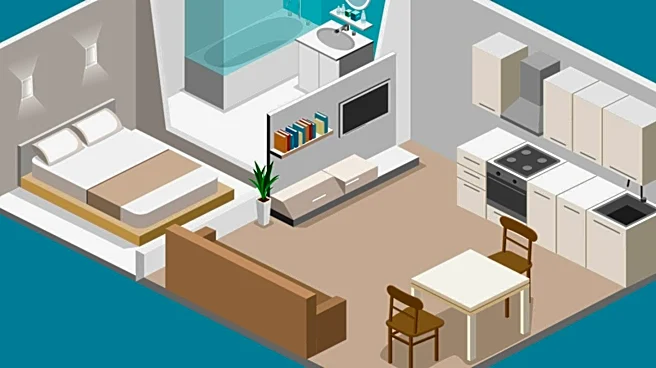
The increasing prevalence of smaller living spaces in urban areas across the U.S. makes efficient organization crucial for maintaining functionality and well-being. Cluttered environments can negatively impact concentration and productivity, particularly in home office settings. By adopting smart storage solutions, individuals can transform limited areas into highly efficient and comfortable spaces. This not only improves daily routines but also contributes to mental clarity and reduces stress associated with disorganization. The emphasis on vertical storage and multi-purpose furniture addresses the core challenge of limited floor space, offering practical ways to expand storage capacity without overcrowding. These strategies empower residents to make the most of their living environments, fostering a sense of order and control.
What's Next?
As urban living continues to trend towards smaller residences, the demand for innovative small-space organization solutions is expected to grow. This will likely drive further development in furniture design, with manufacturers focusing on modular, convertible, and multi-functional pieces. The market for compact storage accessories, such as wall-mounted units and under-desk organizers, will also expand. Consumers will continue to seek out DIY hacks and creative repurposing ideas to personalize and optimize their spaces on a budget. Educational content and resources on efficient space utilization will become increasingly valuable, guiding individuals in creating organized and productive living environments. The integration of smart home technology with storage solutions, such as automated shelving or integrated charging stations, could also become more common.
Beyond the Headlines
The focus on small-space organization reflects a broader cultural shift towards minimalism and intentional living in the U.S. Beyond mere tidiness, these strategies encourage a more thoughtful approach to consumption and possessions. By decluttering and prioritizing essential items, individuals can reduce their environmental footprint and foster a less consumer-driven lifestyle. This movement also highlights the psychological impact of physical surroundings on mental health, emphasizing that an organized space can lead to a more organized mind. The ingenuity involved in transforming small areas into highly functional zones speaks to a growing appreciation for resourcefulness and adaptability in modern living, challenging traditional notions of spaciousness and luxury in favor of efficiency and well-being.