



What's Happening?
Throughout history, numerous pop songs have ignited moral panics, leading to bans, censorship, and even official investigations in the United States and beyond. Billie Holiday's 1939 song 'Strange Fruit,' which graphically depicted the lynchings of Black
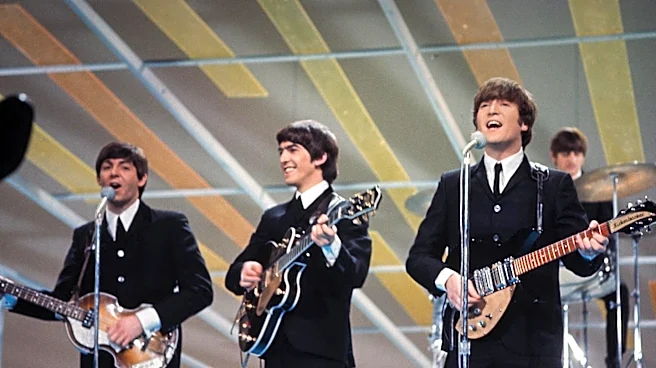
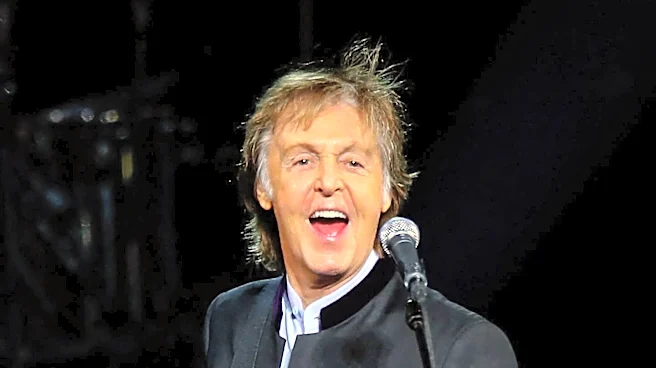
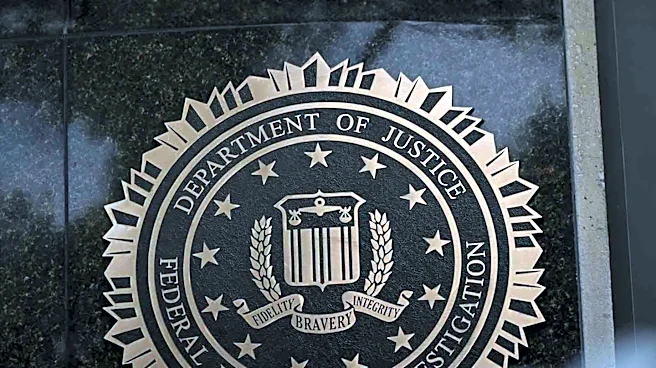
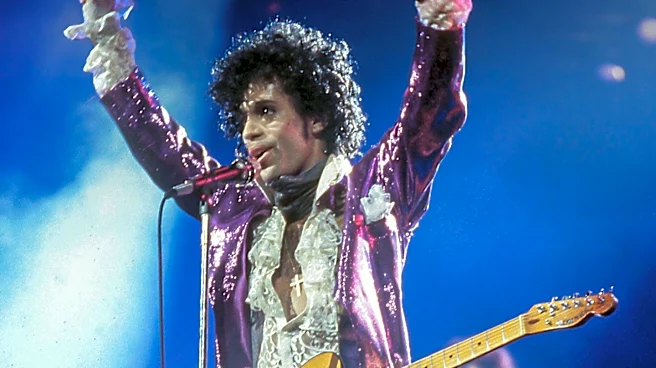
Americans, was refused by her record label and banned by radio stations, though it went on to sell a million copies. In 1958, Link Wray's instrumental 'Rumble' was banned by U.S. radio stations due to fears it would incite gang violence. The Kingsmen's 1963 version of 'Louie Louie' prompted a two-year FBI obscenity investigation due to its indecipherable lyrics, which teenagers often interpreted with X-rated meanings. The Beatles faced BBC bans in 1967 for 'Lucy In The Sky With Diamonds' and 'A Day In The Life' over perceived drug glorification. The Rolling Stones' 'Let's Spend The Night Together' in 1967 was censored on 'The Ed Sullivan Show' due to its overt sexual themes. Prince's 1984 song 'Darling Nikki' led to the formation of the Parents Music Resource Centre (PMRC) and the introduction of 'Parental Advisory' stickers on albums, following concerns raised by Tipper Gore.
Why It's Important?
The recurring moral panics surrounding pop music highlight ongoing societal tensions regarding artistic expression, censorship, and the perceived corruption of youth. These controversies often inadvertently boost the popularity of the banned or criticized songs, demonstrating a complex interplay between public outrage and commercial success. The FBI investigation into 'Louie Louie' underscores the extent to which government bodies have historically intervened in cultural matters, even when lacking clear evidence of wrongdoing. The establishment of the PMRC and the subsequent 'Parental Advisory' labels represent a significant shift in how the music industry self-regulates and responds to public pressure, impacting how music is marketed and consumed. These events reflect broader cultural debates about freedom of speech, parental control, and the role of popular culture in shaping societal values, often revealing generational divides and evolving social norms.
What's Next?
While direct government bans on music are less common today, the legacy of these moral panics continues to influence discussions around content moderation, particularly in the digital age. Platforms and streaming services now grapple with similar issues of controversial content, often implementing their own guidelines and restrictions. The debate over what constitutes appropriate content in music and media is likely to persist, adapting to new technologies and evolving social sensitivities. Artists may continue to push boundaries, and public reactions, whether through social media campaigns or advocacy groups, will likely shape how such content is received and regulated. The impact of these historical controversies serves as a precedent for how future cultural flashpoints involving music and other forms of artistic expression might unfold.
Beyond the Headlines
These historical instances of moral panic reveal deeper societal anxieties about social change, sexuality, and authority. The outrage often directed at pop music can be seen as a proxy for broader cultural anxieties, with songs becoming symbols of perceived moral decay or societal shifts. The controversies surrounding artists like Billie Holiday, The Beatles, and Prince illustrate how music can challenge established norms and provoke strong reactions, often forcing society to confront uncomfortable truths or re-evaluate its values. The commercial success of many of these 'banned' songs also highlights a counter-cultural impulse, where censorship can inadvertently amplify an artist's message and appeal to audiences seeking alternative perspectives. These events underscore the enduring power of music as a medium for social commentary and cultural disruption, often reflecting and influencing the ongoing evolution of societal attitudes.