






What's Happening?
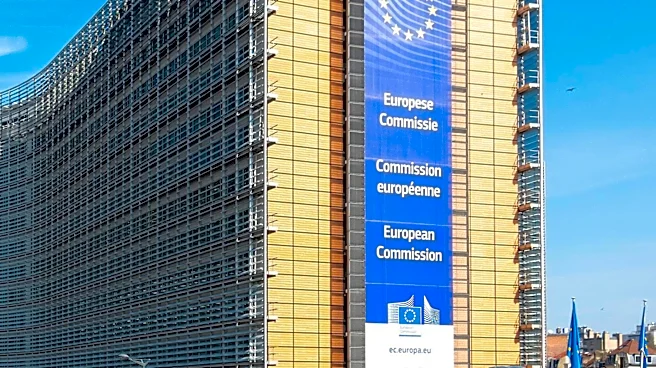
The Department of Commerce, through Commerce Secretary Shri Rajesh Agrawal, recently conducted high-level meetings in Brussels with European Commission officials and industry representatives. These discussions focused on enhancing the comprehensive economic
and strategic partnership between India and the European Union. Key topics included facilitating two-way trade, improving market access, strengthening supply chain resilience, and creating new business opportunities. Meetings were held with Ms. Ditte Juul Jørgensen, Director-General for Trade and Economic Security; Mr. Koen Doens, Director-General for International Partnerships; and Mr. Gerassimos Thomas, Director-General for Taxation and Customs Union. The Commerce Secretary also engaged with stakeholders from the diamond industry, particularly those associated with the Antwerp diamond ecosystem, to discuss global diamond trade, emerging market trends, and the long-standing India-Belgium diamond linkages. Additionally, Shri Agrawal participated in a BusinessEurope roundtable to discuss opportunities for strengthening trade and investment ties under the India-EU Free Trade Agreement (FTA).
Why It's Important?
These high-level engagements are crucial for the U.S. as they highlight the ongoing efforts by major global economies to solidify trade relationships and diversify supply chains. While the immediate focus is on India and the EU, the outcomes of such agreements can influence global trade dynamics, potentially impacting U.S. businesses and economic policies. A stronger India-EU trade bloc could alter competitive landscapes for U.S. exports and investments in both regions. The emphasis on sustainable development, clean energy, and green technologies also signals a global shift towards environmentally conscious economic practices, which could set new standards and create new markets that U.S. companies will need to adapt to or compete within. Furthermore, discussions on customs cooperation and trade facilitation aim to reduce transaction costs and streamline trade, which could serve as a model or a challenge for U.S. trade agreements and customs procedures.
What's Next?
Both India and the EU have reaffirmed their commitment to a fair, balanced, and mutually beneficial agreement, indicating that close engagement will continue to address remaining procedural and implementation-related issues for the India-EU FTA. The ongoing discussions on trade facilitation, market access, and deeper cooperation in sustainable development and green technologies suggest that further agreements and policy changes are likely. The Department of Commerce's continued involvement underscores the strategic importance of these relationships. Future developments will likely include the finalization and implementation of the India-EU FTA, which could lead to increased trade volumes and investment flows between these two economic powers. U.S. policymakers and businesses will need to monitor these developments closely to understand their implications for international trade and economic competitiveness.
Beyond the Headlines
The discussions extend beyond mere trade figures, touching upon deeper implications for global economic governance and sustainability. The focus on responsible sourcing in the diamond industry, for instance, reflects a growing consumer and regulatory demand for ethical supply chains, a trend that U.S. industries are also grappling with. The emphasis on green technologies and sustainable development partnerships highlights a broader international consensus on addressing climate change through economic cooperation. This could lead to the establishment of new global standards and practices that influence how U.S. companies operate internationally. The strategic partnership between India and the EU, strengthened by these engagements, could also serve as a counterweight or complement to existing global economic alliances, potentially reshaping geopolitical and geoeconomic landscapes in the long term.