



What's Happening?
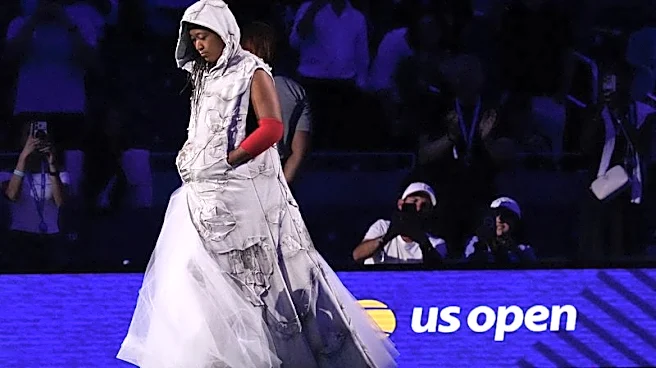
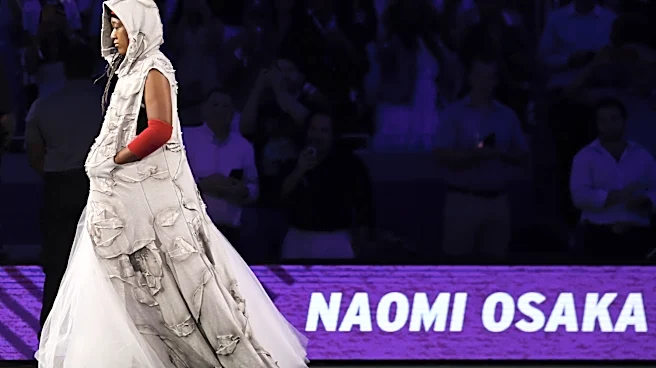
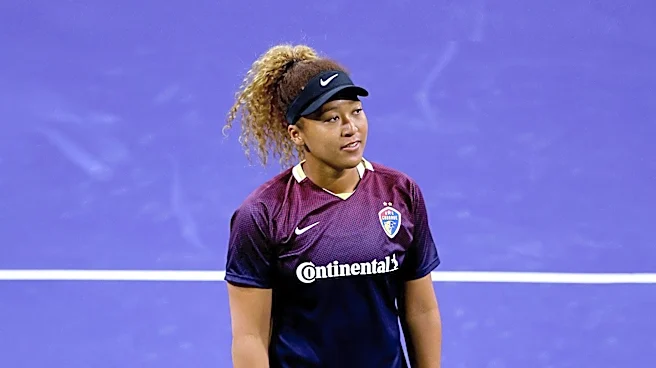
Tennis star Naomi Osaka made a significant sartorial statement at the U.S. Open, paying homage to basketball legend Allen Iverson. For her entrance into Arthur Ashe Stadium, Osaka wore a custom all-white gown by Who Decides War, styled by Law Roach, featuring
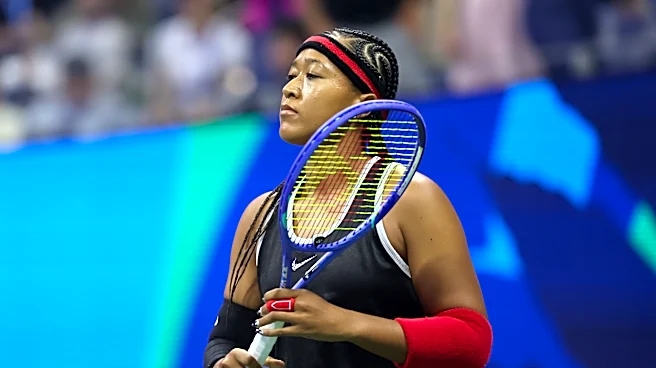
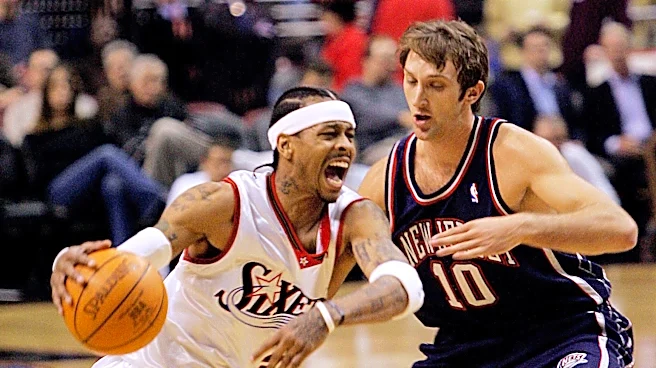
sewn-in news clippings of her career. She completed the look with a headband over cornrows, a red sweatband, and a black sleeve, directly referencing Iverson's iconic style. Osaka explained to Vogue that the look was inspired by the Open's Nike athlete kits and Iverson's ability to authentically merge culture, sports, and fashion. She further channeled Iverson by wearing a T-shirt featuring him on the cover of Slam magazine to a press conference, calling him a trailblazer who shifted how NBA players dress and expressed themselves through style. Iverson himself acknowledged Osaka's tribute on Instagram, expressing his honor and desire to meet her.
Why It's Important?
Naomi Osaka's tribute to Allen Iverson transcends mere fashion, highlighting the growing intersection of sports, culture, and personal expression. This move underscores how athletes are increasingly using their platforms to make statements and connect with broader cultural narratives beyond their respective sports. By honoring Iverson, Osaka acknowledges his pioneering role in challenging traditional sports aesthetics and embracing individuality, a theme that resonates with her own career. This moment also reinforces the influence of iconic figures like Iverson on subsequent generations of athletes, demonstrating how their impact extends beyond their playing careers into fashion and cultural identity. The positive reception from Iverson himself further validates Osaka's gesture, creating a cross-sport connection that amplifies both athletes' cultural relevance.
What's Next?
Osaka will continue her U.S. Open campaign, with her on-court performance remaining the primary focus. However, her fashion choices and cultural statements are likely to continue drawing attention and discussion throughout the tournament and beyond. This tribute could inspire other athletes to explore similar homages to their idols, further blurring the lines between sports, fashion, and personal branding. The interaction between Osaka and Iverson might also lead to future collaborations or public appearances, strengthening the bond between two influential figures from different sports. This event sets a precedent for how athletes can leverage their visibility to celebrate cultural icons and express their personal inspirations, potentially influencing trends in sports fashion and athlete branding.
Beyond the Headlines
Osaka's homage to Iverson speaks to a deeper narrative about authenticity and breaking barriers in professional sports. Iverson, known for his unapologetic style and defiance of league dress codes, paved the way for athletes to express their individuality, often facing criticism for doing so. Osaka, who has also been a vocal advocate for mental health and social justice, aligns with this spirit of authenticity and challenging norms. Her choice to honor Iverson is not just about fashion; it's a nod to a shared ethos of self-expression and resilience in the face of scrutiny. This moment highlights how athletes are increasingly seen as cultural figures who can influence societal conversations, using their platforms to celebrate heritage, challenge conventions, and inspire others to embrace their true selves, thereby shaping the evolving identity of the modern athlete.