





What's Happening?
New Yorker cartoonists Roz Chast and Jason Adam Katzenstein have co-authored a new graphic book titled 'The Two Saddest Kitchens'. The book chronicles their shared lack of interest in cooking and the 'fear and shame' they associate with their apartment
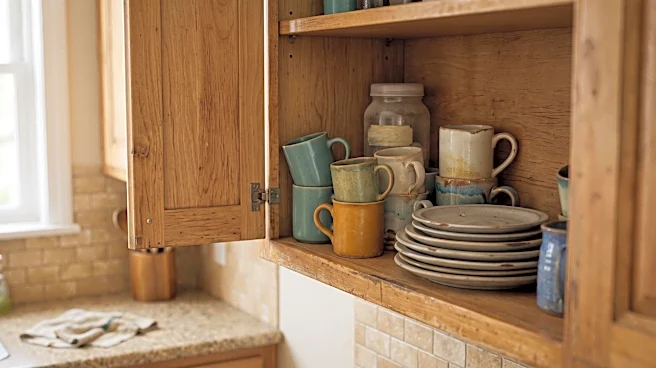
kitchens. Through a 'comics conversation,' Chast and Katzenstein explore the 'uncanny mundane' aspects of everyday objects and their kitchens. The book includes humorous digressions, such as speculating on the backstory of Mr. Clean and his less obsessive twin, 'Mr. Clean Enough,' and exploring 'the cabinet above the refrigerator' filled with forgotten items. The authors also touch upon their anxieties about being 'infantilized by New York' due to its abundance of takeout options. The book has received praise, with food writer and chef Ruth Reichl reportedly stating, 'I don't think I've ever laughed so hard.'
Why It's Important?
The release of 'The Two Saddest Kitchens' is significant as it offers a unique perspective on a common, yet often unacknowledged, aspect of modern life: the disinterest in cooking and the emotional connection (or lack thereof) to one's kitchen. For many Americans, particularly those in urban environments like New York, the convenience of takeout and prepared meals has diminished the traditional role of the home kitchen. This book resonates with a segment of the population that may feel guilt or shame about their culinary habits, providing a humorous and relatable outlet. The involvement of renowned New Yorker cartoonists like Roz Chast, known for her award-winning graphic memoir 'Can't We Talk About Something More Pleasant?', lends credibility and a wider audience to this exploration of domestic life. The book's success could highlight a growing cultural shift away from traditional home cooking, particularly among younger generations or those with demanding lifestyles.
What's Next?
The book's release will likely spark discussions among readers and critics about the evolving role of kitchens and cooking in American households. Given the positive early reception, including an endorsement from Ruth Reichl, 'The Two Saddest Kitchens' is expected to gain traction within literary and humor circles. The 'comics conversation' format could inspire other artists and writers to explore similar themes through graphic storytelling. The book may also prompt conversations about the impact of urban living and convenience culture on personal habits and domestic spaces. Its humorous approach to a relatable topic could lead to its inclusion in book clubs and discussions about contemporary lifestyle trends. The continued collaboration between Chast and Katzenstein, or similar projects from other cartoonists, could further establish this niche of observational humor about everyday anxieties.
Beyond the Headlines
Beyond its immediate humor, 'The Two Saddest Kitchens' subtly touches upon deeper societal and psychological implications. The 'fear and shame' associated with their kitchens, as described by the authors, points to a cultural pressure to conform to an idealized image of domesticity and culinary prowess. In an era dominated by food media and social media showcasing elaborate home-cooked meals, those who don't enjoy cooking can feel inadequate. The book challenges this narrative by openly embracing and humorously depicting a different reality. It also highlights the impact of consumer culture, particularly the prevalence of takeout in cities like New York, on personal skills and domestic routines. The 'uncanny mundane' approach encourages readers to find humor and self-acceptance in their own everyday struggles, fostering a sense of shared experience and normalizing what might otherwise be considered personal failings. This work contributes to a broader cultural conversation about authenticity, self-perception, and the pressures of modern living.