

What's Happening?
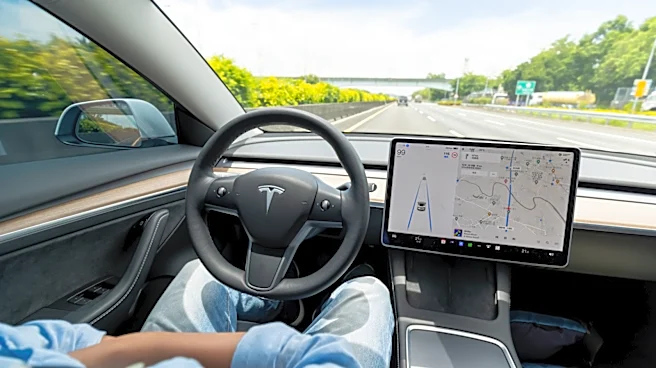
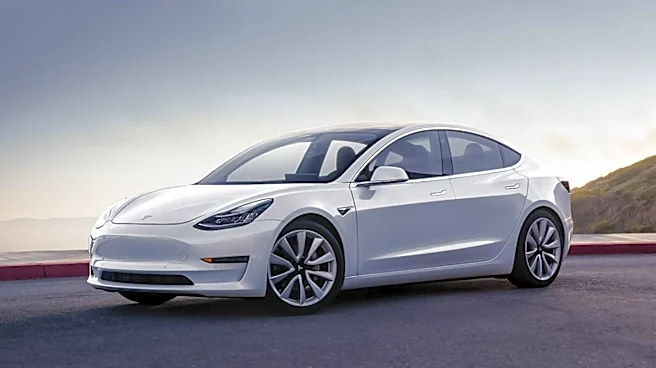
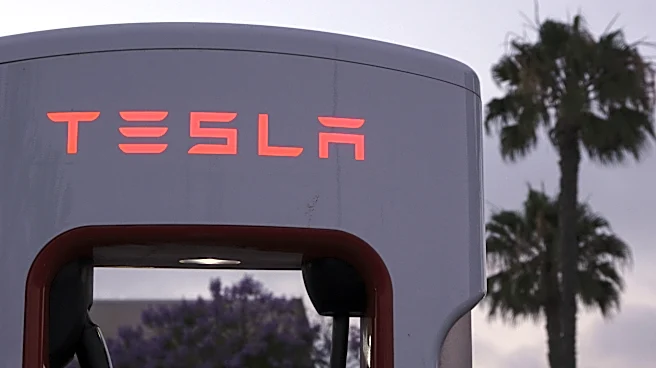
Tesla's stock experienced a 6% decline following the European Union's decision to postpone its vote on the approval of Tesla's Full Self-Driving (FSD) software until December 15. This delay has impacted Tesla's market performance, contributing to a 19%
year-to-date drop in its stock. The EU Technical Committee for Motor Vehicles initially scheduled the meeting for December 1 but moved it, marking the third such delay this year. France and Sweden have raised safety concerns, particularly regarding the system's potential to exceed speed limits. In Europe, Tesla has rebranded its FSD system as 'Tesla Assisted Driving.' According to Chief Financial Officer Vaibhav Taneja, FSD subscriptions reached 1.74 million in Q3 2026, up from 1.04 million a year prior, making it a crucial demand driver for the company. The company recently rolled out FSD (Supervised) v15, which it claims significantly improves safety in critical situations.
Why It's Important?
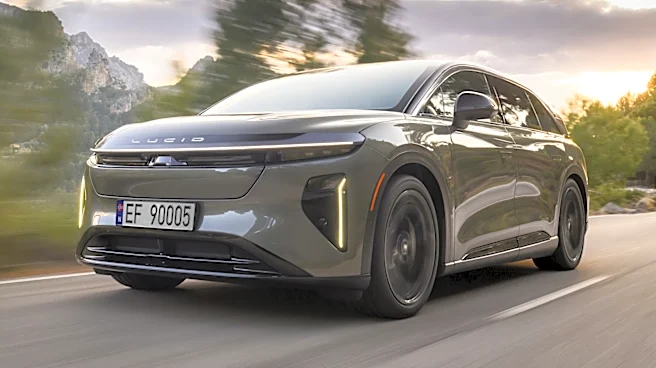
The EU's delayed approval of Tesla's FSD software carries significant implications for the company's market strategy and financial outlook. FSD is central to Tesla's business model, with the company expecting software and fleet-based revenue to increasingly complement hardware profits. Delays in regulatory approval in key markets like Europe hinder Tesla's ability to expand its FSD subscriber base and generate additional revenue streams. This situation also highlights the challenges technology companies face in navigating diverse international regulatory landscapes, especially concerning autonomous driving systems where safety concerns are paramount. The market reaction, with Tesla's stock falling and dragging down other EV manufacturers like Rivian and Lucid, underscores investor sensitivity to regulatory hurdles and their potential impact on future growth and profitability in the electric vehicle and autonomous technology sectors.
What's Next?
The European Union's Technical Committee for Motor Vehicles is now scheduled to vote on Tesla's Full Self-Driving technology on December 15. The outcome of this vote is critical for Tesla, as EU-wide approval requires a qualified majority of member states. While Italy has recently approved the system, ongoing safety objections from countries like France and Sweden could still pose challenges. Tesla CEO Elon Musk had previously expressed optimism for EU-wide approval by the first quarter, but the repeated delays suggest a more cautious regulatory approach. Investors will be closely watching the December 15 decision, as it could significantly influence Tesla's market access and revenue potential in Europe. Additionally, Rivian's Autonomy and AI Day on December 9 may offer further insights into the competitive landscape of autonomous driving technology.
Beyond the Headlines
The ongoing regulatory scrutiny of Tesla's Full Self-Driving software in Europe reflects a broader global debate about the ethical and legal implications of autonomous vehicle technology. The concerns raised by France and Sweden regarding speed limits and safety highlight the tension between technological innovation and public safety. This situation could set precedents for how other advanced driver-assistance systems are regulated internationally, potentially influencing the development and deployment timelines for autonomous vehicles across the industry. The renaming of FSD to 'Tesla Assisted Driving' in Europe also indicates a strategic adaptation to regulatory environments, emphasizing the human oversight aspect of the technology. This regulatory environment underscores the need for robust testing, transparent safety reporting, and clear legal frameworks to build public trust and ensure responsible adoption of autonomous driving technologies.