





What's Happening?
The European Union and the United Kingdom are contemplating a delay in implementing a 10% tariff on electric vehicles (EVs) that use batteries with foreign-sourced raw materials or components. This tariff, part of a 2021 post-Brexit trade agreement, is scheduled
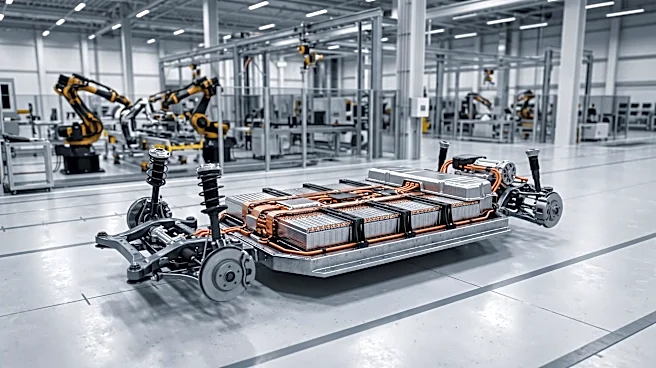
to take effect on January 1, 2027. The primary reason for the potential postponement is that local manufacturers are currently unable to meet the industry's demand for battery components. The European Automobile Manufacturers’ Association (ACEA) has advocated for pushing back the stricter rules until 2030 and the requirement for European-made cathode materials until 2032. Manufacturers are also concerned that the additional costs from the tariff could increase prices for locally produced EVs, making them less competitive against Chinese brands, especially since a significant portion of battery raw materials and components still originates from Asia, particularly China. The new requirements could impact approximately 82% of the 520,000 EVs expected to be sold in 2027, potentially affecting trade between the UK and the EU, as the UK is a major importer of European cars and the EU is a key market for British automakers.
Why It's Important?
This potential delay in EV tariffs holds significant implications for the U.S. and global automotive industry. While directly impacting the EU and UK, the decision reflects broader challenges in the global EV supply chain, particularly the reliance on Asian, and specifically Chinese, battery components. For U.S. manufacturers and policymakers, this highlights the critical need for robust domestic or allied-nation supply chains to avoid similar dependencies and potential trade disruptions. A delay could offer a temporary reprieve for European and British automakers, allowing them more time to localize battery production and reduce reliance on foreign inputs. However, it also underscores the competitive pressure from Chinese EV manufacturers, which could influence U.S. trade strategies and investment in its own EV sector. The situation demonstrates the complex interplay between trade agreements, industrial capacity, and geopolitical competition in the rapidly evolving electric vehicle market, potentially shaping future U.S. trade policies and incentives for EV manufacturing.
What's Next?
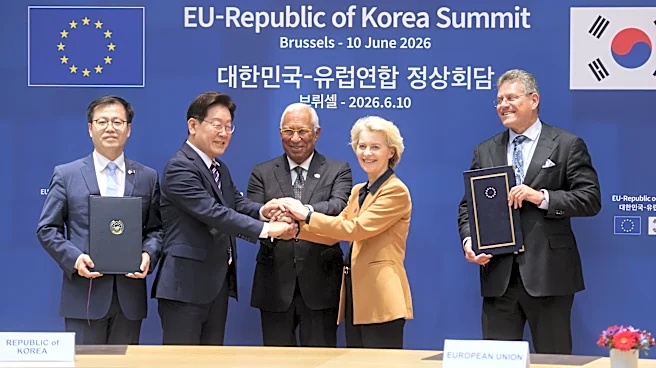
Negotiations between Brussels and London regarding a potential compromise on the tariff deadlines are expected to intensify, particularly after a summit scheduled for November 20, 2026. No final decision has been made, leaving the automotive market in a state of uncertainty. A delay could alleviate immediate cost pressures on European and British EV manufacturers, but it might also raise concerns among investors who have already committed capital to building battery factories and chemical plants in Europe, anticipating the original 2027 deadline. The outcome of these discussions will likely influence investment decisions and strategic planning for EV production and supply chain development across Europe and potentially impact global trade dynamics in the automotive sector. The EU has already imposed significant tariffs on Chinese EVs, and the UK is considering similar measures, indicating a broader trend towards protecting domestic industries.
Beyond the Headlines
The debate over EV tariffs extends beyond immediate economic concerns, touching upon deeper issues of industrial sovereignty, environmental goals, and geopolitical competition. The reliance on foreign, particularly Chinese, raw materials and components for EV batteries exposes vulnerabilities in the supply chains of Western nations. This situation could accelerate efforts in the U.S. and Europe to de-risk supply chains and foster domestic production capabilities for critical EV components, driven by both economic and national security considerations. The push for localized production, while aiming to create jobs and reduce dependency, also presents challenges in terms of cost, technological readiness, and environmental impact of new mining and manufacturing operations. The outcome of these tariff discussions will be a bellwether for how major economic blocs balance free trade principles with industrial policy objectives in the transition to a green economy.