






What's Happening?
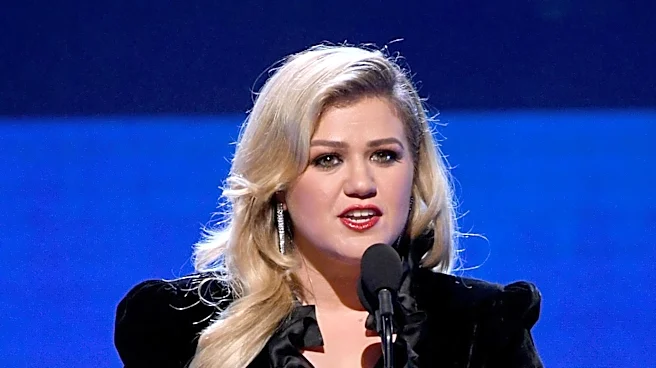
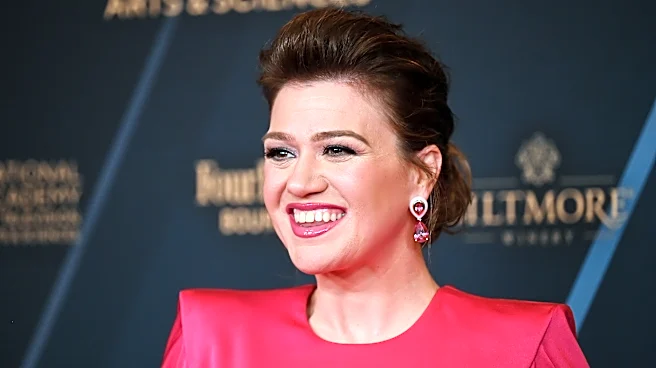
Kelly Clarkson, the 'American Idol' winner and 'The Voice' judge, publicly accused Art of Play, a Brooklyn novelty shop, of treating her condescendingly during a recent visit. Clarkson claimed on social media that an employee implied she couldn't afford
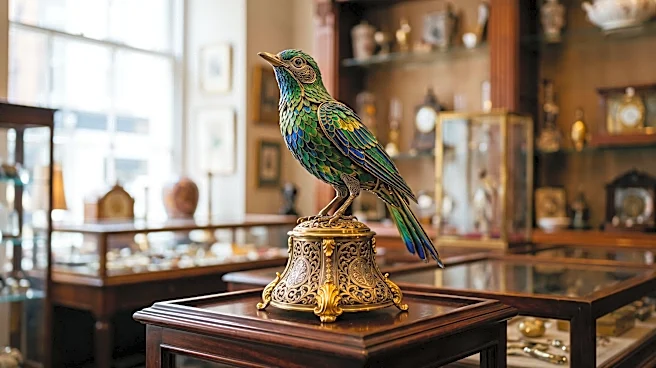
an item she was interested in, offering to find something 'comparable' instead. She likened the experience to the 'Pretty Woman' movie scene where Julia Roberts' character is snubbed by a boutique. The shop owners responded on Instagram, stating that Clarkson inquired about purchasing 'Molly,' a singing and dancing bird automaton that serves as the store's mascot and is permanently attached to a wall, thus not for sale. They expressed surprise at the widespread outrage from Clarkson's 8.8 million followers. Clarkson then countered, providing a screenshot of the bird listed for $15,000 and alleging the employee explicitly stated the price and offered alternatives in a condescending tone, accusing the shop of being both rude and dishonest. The shop, known for its eclectic games, puzzles, home goods, and collectible playing cards, opened in Brooklyn Heights in 2024.
Why It's Important?
This incident highlights the significant impact of celebrity social media influence on small businesses. Kelly Clarkson's public accusation, shared with millions of followers, immediately generated widespread negative attention for Art of Play, demonstrating how quickly a brand's reputation can be affected by a high-profile individual's experience. The dispute also brings to light the challenges businesses face in managing customer interactions, especially when dealing with perceived slights or misunderstandings. For consumers, it underscores the power of online platforms to voice complaints and potentially influence public perception of businesses. The differing accounts of the interaction raise questions about customer service standards, communication, and the potential for misinterpretation in retail environments. Furthermore, it illustrates the double-edged sword of social media for businesses: while it can be a powerful tool for promotion, it also carries the risk of rapid negative publicity.
What's Next?
The immediate aftermath of this public dispute will likely see continued online discussion and scrutiny of Art of Play. The shop owners have indicated they will 'keep their heads down' and hope to 'clear things up with Kelly someday,' suggesting a desire to de-escalate the situation. However, the online backlash from Clarkson's followers may persist, potentially impacting the store's foot traffic and online sales in the short term. Art of Play may need to consider further public statements or actions to address the accusations and reassure potential customers. For Kelly Clarkson, the incident may serve as a cautionary tale about the power of her platform, though she has shown no indication of retracting her statements. The broader retail industry might observe this event as a case study in managing celebrity complaints and the rapid spread of information on social media, potentially leading to a re-evaluation of customer service training and online reputation management strategies.
Beyond the Headlines
Beyond the immediate controversy, this event touches upon deeper societal implications regarding consumer expectations, the nature of luxury retail, and the ethics of public shaming via social media. The 'Pretty Woman' analogy used by Clarkson speaks to a persistent concern about perceived classism or judgment in high-end shopping experiences, regardless of the actual intent of the staff. This incident could fuel broader conversations about accessibility and inclusivity in retail spaces. Moreover, the rapid mobilization of online sentiment against a small business based on a celebrity's account raises questions about due process and the potential for disproportionate consequences in the digital age. It also highlights the evolving dynamic between public figures and businesses, where a single tweet can trigger a significant public relations crisis, forcing companies to navigate a complex landscape of online opinion and reputation management. The incident also subtly questions the definition of 'for sale' in a novelty or art-focused store, where unique items might have different transactional rules.