


What's Happening?
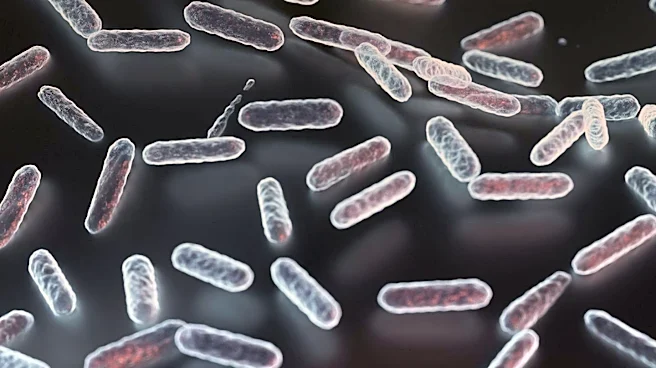
A new review published in Nature Reviews Microbiology highlights the health benefits of fermented foods, suggesting they may influence immune function, metabolism, and the oral-gut connection. Fermented foods, made by transforming food with bacteria,
yeasts, or other microbes, provide probiotics, prebiotics, and postbiotics, which can interact with the human microbiome. The review emphasizes the unique benefits of plant-based fermented foods, such as kimchi and sauerkraut, which contain fiber that protects beneficial microbes during digestion. This fiber-rich matrix may enhance microbial survival and interaction with the gut lining.
Why It's Important?
The review underscores the importance of including a variety of fermented foods in the diet, paired with fiber-rich whole foods, to support gut health. Fermented foods offer a combination of live microorganisms and beneficial metabolites that supplements cannot replicate. The findings suggest that fermented foods can play a role in precision nutrition, a personalized strategy that considers individual microbiome differences. This approach could lead to more effective dietary recommendations for improving gut health and overall wellness.
What's Next?
The review proposes integrating fermented foods into precision nutrition strategies, which could revolutionize personalized dietary recommendations. As research continues, there may be a greater emphasis on understanding the oral-gut axis and its implications for health. Consumers are encouraged to prioritize variety in their fermented food choices and pair them with fiber-rich foods to maximize benefits. The growing interest in fermented foods may lead to increased availability and innovation in the market, offering more options for consumers seeking to improve their gut health.