





What's Happening?
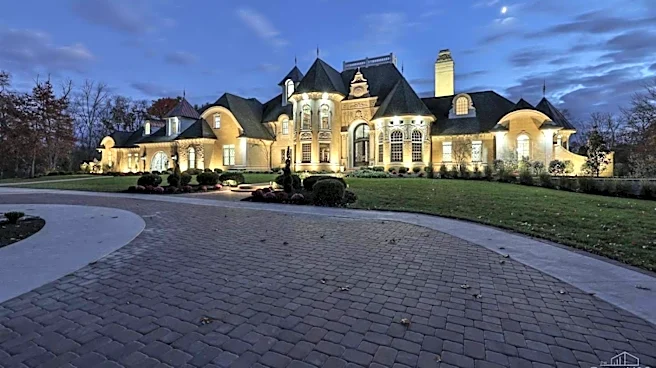
A luxurious Los Angeles estate, currently on the market for $13.8 million, boasts an extensive 1,000-square-foot edible garden. This professionally maintained garden is a central feature of the property, designed to support a farm-to-table lifestyle for its
residents. The estate itself is characterized by custom interiors and includes a separate structure offering additional living spaces. This trend of incorporating large-scale edible gardens into high-end residential properties highlights a growing desire for self-sufficiency and fresh, locally sourced produce directly from one's home. The garden's professional maintenance ensures its productivity and aesthetic appeal, making it a significant amenity for potential buyers seeking a unique blend of luxury and sustainable living.
Why It's Important?
The inclusion of a substantial edible garden in a multi-million dollar Los Angeles estate signifies a notable shift in luxury real estate trends, moving beyond purely aesthetic landscaping to functional, sustainable features. This development reflects an increasing consumer demand for properties that offer not just opulence but also practical benefits like fresh food production and a connection to nature. For the U.S. real estate market, particularly in high-value areas, this could set a new standard for luxury amenities, influencing design and marketing strategies. It also underscores a broader societal interest in health, wellness, and environmental consciousness, even among affluent buyers. The emphasis on a 'farm-to-table' lifestyle within a private residence could inspire similar integrations in future high-end developments, potentially boosting demand for specialized landscaping and agricultural services.
What's Next?
The sale of this Los Angeles estate could serve as a benchmark for how integrated edible gardens are valued in the luxury real estate market. If the property sells successfully, it may encourage other developers and homeowners in affluent areas to invest in similar large-scale, professionally maintained edible gardens. This could lead to an increased demand for landscape architects specializing in food production, as well as for ongoing garden maintenance services. Furthermore, it might inspire a trend where 'farm-to-table' becomes a more common selling point for high-end homes, potentially influencing property values and buyer expectations. The success of this model could also prompt discussions within urban planning and sustainable development circles about integrating more productive green spaces into residential designs.
Beyond the Headlines
The emergence of professionally maintained, expansive edible gardens in luxury homes like this Los Angeles estate points to deeper cultural and ethical shifts. It reflects a growing awareness of food origins, sustainability, and the desire for a more direct connection to what one consumes, even among those with significant resources. This trend challenges the traditional view of luxury as purely aesthetic and moves towards a more experiential and responsible form of wealth. Ethically, it raises questions about access to fresh, healthy food, as such elaborate gardens remain largely exclusive to the wealthy. However, it also demonstrates a potential pathway for integrating sustainable practices into high-value properties, which could, in turn, inspire more accessible community gardening initiatives or urban agriculture projects. The long-term implication could be a redefinition of 'luxury' to include elements of self-sufficiency and environmental stewardship.