
What's Happening?
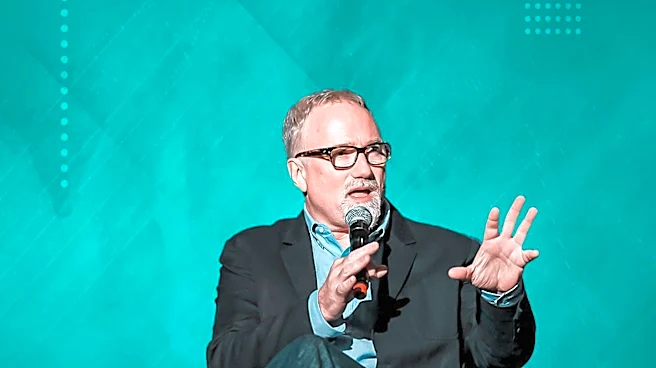
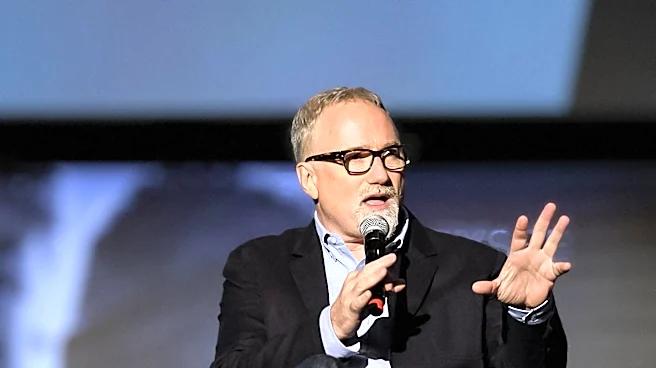
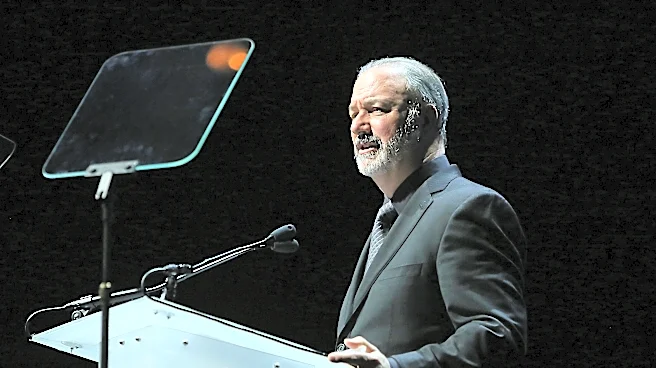
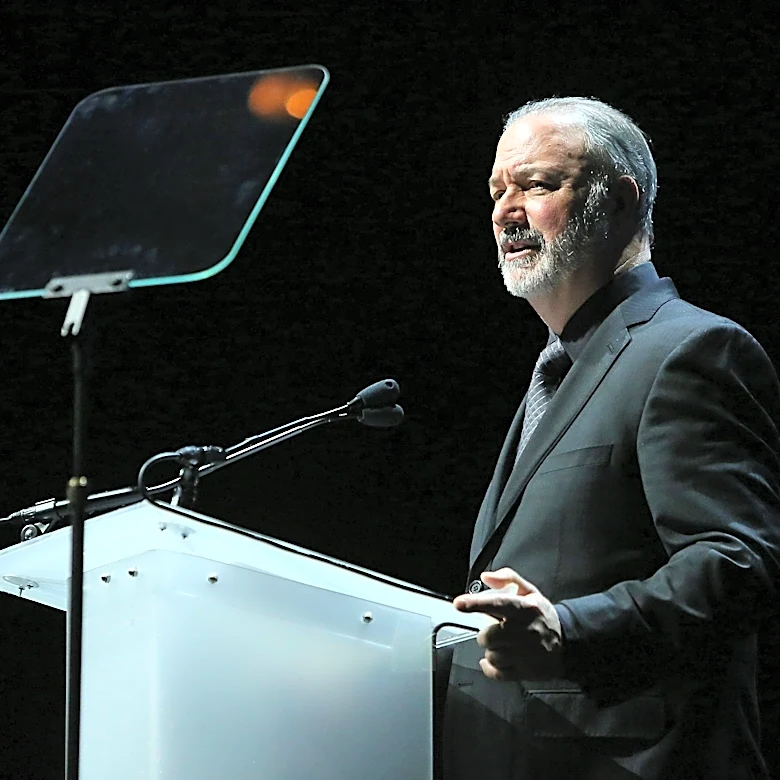
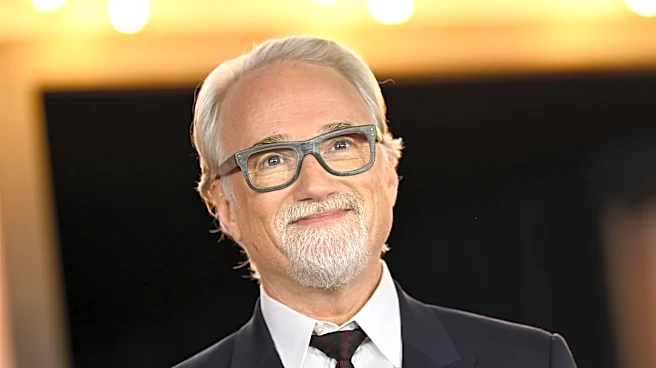
Filmmaker David Fincher has confirmed the use of Artificial Intelligence (AI) in the post-production of his new film, 'The Further Mis-Adventures of Cliff Booth.' Fincher stated on The Ringer’s 'The Big Picture' podcast that AI was employed to re-lip
shots, allowing editors to combine the best visual performance from one take with the best audio performance from another. This technique addresses instances where lip-sync issues would traditionally necessitate cutting away to a reaction shot. Additionally, in an interview with The Telegraph, Fincher revealed AI was used for de-aging actor Scott Caan, fixing wigs, adjusting eye lines, and inserting digital doubles of actors into scenes where they were not physically present. The film, written by Quentin Tarantino and starring Brad Pitt, opened in IMAX theaters on November 25 and is scheduled for release on Netflix on December 23. The revelations follow accusations from early viewers and social media users regarding visible generative AI imagery in the film, leading to calls for a boycott.
Why It's Important?
Fincher's candid discussion about AI integration in a major studio film like 'Cliff Booth' highlights a significant shift in filmmaking practices and raises critical questions for the U.S. entertainment industry. The use of AI for tasks such as re-lipping, de-aging, and creating digital doubles could streamline post-production, potentially reducing costs and increasing creative flexibility. However, it also sparks concerns about job displacement for traditional film crew roles, such as camera operators, focus pullers, grips, and gaffers, whose work on coverage shots might be rendered obsolete if only master shots are filmed and subsequent angles are AI-derived. Furthermore, the ethical implications surrounding actor consent for digital alterations and the potential impact on the authenticity of performances are central to the ongoing debate. Netflix's own generative AI guidelines, which require consent for significant changes to an actor's performance, underscore the legal and contractual complexities that will likely emerge as AI becomes more prevalent in Hollywood.
What's Next?
The ongoing debate surrounding AI's role in filmmaking is expected to intensify, particularly as 'The Further Mis-Adventures of Cliff Booth' becomes widely available on Netflix. Industry stakeholders, including unions like SAG-AFTRA, will likely scrutinize the extent of AI use in productions and push for clearer guidelines and consent protocols. The film's reception, both critically and commercially, could influence future adoption rates of AI technologies in Hollywood. There may be increased pressure on studios and filmmakers to be transparent about their use of AI, potentially leading to new disclosure requirements or industry standards. The discussion will also likely extend to the creative integrity of performances, with actors and directors grappling with the balance between technological enhancement and artistic authenticity. The potential for AI to fundamentally alter the filmmaking process, from pre-production to post-production, will remain a key topic of conversation.
Beyond the Headlines
The integration of AI in 'Cliff Booth' transcends mere technical innovation; it touches upon fundamental questions about the nature of cinematic art and human performance. Fincher's vision of a future where only master shots are filmed and coverage is AI-derived challenges the traditional collaborative craft of filmmaking, potentially diminishing the creative input of various crew members and even actors. The idea that an actor's performance could be assembled from disparate takes and digitally manipulated raises ethical concerns about authorship and the 'sacred' nature of a performance. This development could lead to a re-evaluation of what constitutes an 'original' performance and how credit is attributed in an AI-assisted production. Moreover, the backlash from some viewers and critics suggests a growing public awareness and potential resistance to what is perceived as 'blatant and egregious AI use,' indicating a broader cultural conversation about the role of artificial intelligence in creative industries and its impact on authenticity and human connection in art.