


What's Happening?
Furniture designers and experts are forecasting key trends for 2027, highlighting a significant shift towards multifunctional pieces and a renewed focus on media consoles. According to Travis Nagle, co-founder of Medley, there's a move away from minimalism
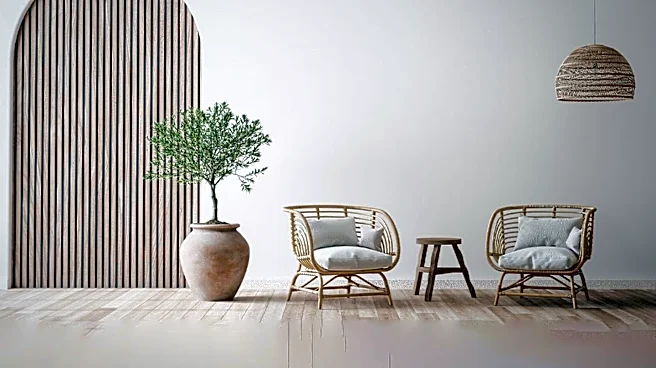
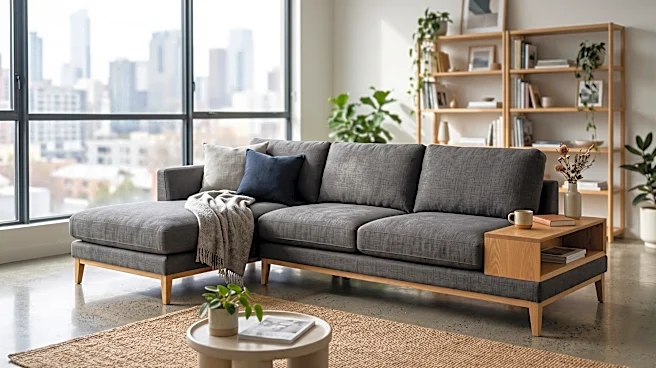
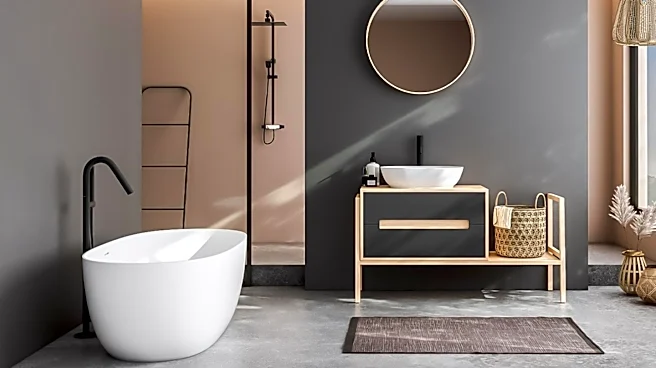
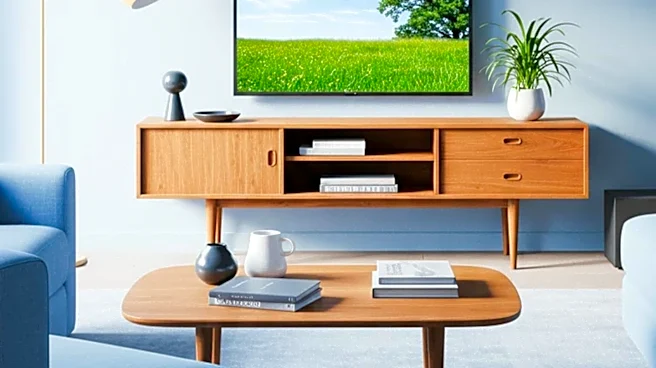
towards more traditional styles with modern twists, incorporating organic shapes and detailed finishes. Ayden Lin, founder of Povision, notes that media consoles are evolving beyond simple TV stands into thoughtfully designed storage solutions that integrate technology while maintaining a clean aesthetic. Multifunctional seating, such as modular sofas, poufs, and benches, is also gaining popularity, allowing for flexible arrangements to accommodate various group sizes and activities, especially with the rise of at-home entertaining. Additionally, vintage and curated pieces are expected to remain strong trends, as consumers seek to personalize their spaces with items that tell a story.
Why It's Important?
This shift in furniture trends reflects broader changes in consumer lifestyles and housing dynamics in the U.S. The emphasis on multifunctional furniture addresses the growing need for space optimization in smaller living areas, a common challenge in urban environments. For consumers, this means more versatile and adaptable home furnishings that can serve multiple purposes, potentially reducing clutter and maximizing utility. For the furniture industry, these trends signal a demand for innovative designs that blend aesthetics with practicality. Manufacturers and retailers will need to adapt their offerings to include more modular, convertible, and storage-integrated pieces. The resurgence of media consoles, in particular, indicates that despite the analog movement, the integration of diverse entertainment technologies remains a priority for many households, requiring sophisticated solutions that manage devices without compromising design.
What's Next?
As these trends solidify, consumers can expect to see a wider array of multifunctional furniture options available in the market, from sofa beds to extendable coffee tables and modular seating. Furniture brands will likely invest more in research and development to create pieces that are not only aesthetically pleasing but also highly adaptable and durable. The focus on media consoles suggests that future designs will continue to evolve, offering more integrated solutions for managing various entertainment systems. Retailers will probably highlight the versatility and space-saving benefits of these items in their marketing. Furthermore, the continued popularity of vintage and curated pieces indicates a sustained interest in unique, personalized home decor, encouraging consumers to mix new and old elements to create distinctive living spaces.
Beyond the Headlines
The move towards multifunctional furniture and thoughtful media console design points to a deeper cultural shift towards more intentional and adaptable living. It reflects a desire for homes that are not just visually appealing but also highly efficient and responsive to changing needs. This trend could also influence architectural and interior design practices, with a greater emphasis on flexible layouts and built-in solutions. Ethically, the demand for durable and long-lasting furniture, as implied by the desire for pieces that 'last for many years to come,' could encourage more sustainable manufacturing practices and a move away from disposable furniture. The blend of traditional styles with modern twists suggests a cultural appreciation for heritage combined with contemporary functionality, creating spaces that are both timeless and forward-thinking.