





What's Happening?
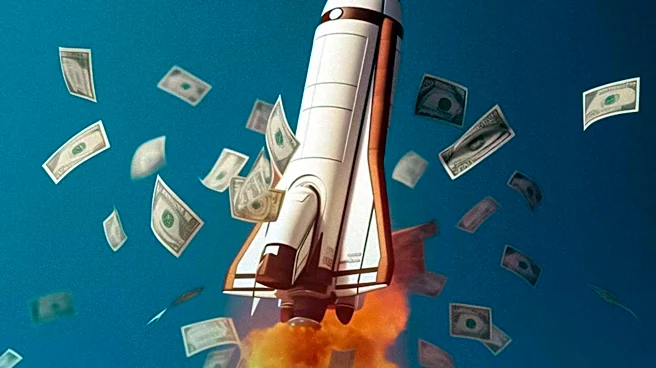
In June 2026, the U.S. Treasury Department issued $49.1 billion in tariff refunds to businesses, significantly surpassing the $23.6 billion collected in tariff revenue for the same period. This development follows the U.S. Supreme Court's decision to invalidate
President Trump's blanket tariffs, which were imposed under the 1977 International Emergency Economic Powers Act. The refunds are part of a broader effort to return $166 billion in tariffs, plus interest, to businesses. The refund process began in earnest in May, with June marking the second full month of payouts. The Treasury's monthly statement also revealed a $1.4 trillion budget deficit for the first nine months of the fiscal year, with projections indicating the deficit could exceed $2 trillion by year-end.
Why It's Important?
The substantial tariff refunds highlight the financial impact of the Supreme Court's decision on U.S. businesses and the federal budget. The refunds are intended to alleviate the financial burden on businesses that were affected by the tariffs, potentially boosting economic activity. However, the refunds also contribute to the growing federal budget deficit, which undermines earlier promises that tariffs would help balance the budget. The deficit, now projected to exceed $2 trillion, poses significant challenges for fiscal policy and economic stability. The situation underscores the complex interplay between trade policy, judicial decisions, and fiscal management.
What's Next?
As the refund process continues, more businesses are expected to apply for refunds through the government-run portal, which has expanded the list of eligible scenarios. The ongoing refunds and tariff exemptions, such as those for Moroccan fertilizer and farm equipment, may further reduce tariff revenue. Policymakers will need to address the implications of the growing deficit, potentially through adjustments in fiscal policy or spending cuts. The economic and political ramifications of these developments will likely be a focus of debate in the coming months.