



What's Happening?
StoneCo Ltd. (NASDAQ: STNE), a Cayman Islands-incorporated payments and financial software company with primary operations in Brazil, saw its stock price jump by 7.38% to $8.29 in late-morning trading. This significant increase was primarily driven by a Brazil-wide
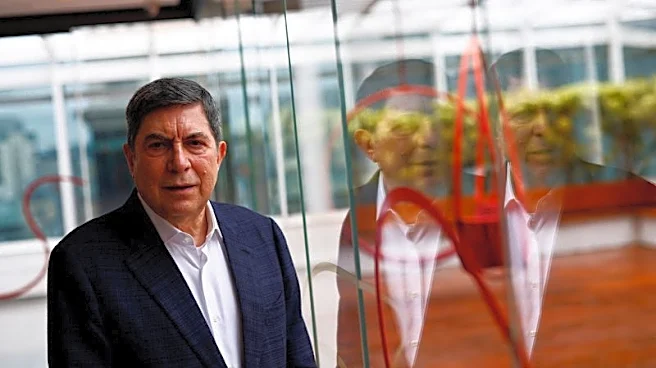
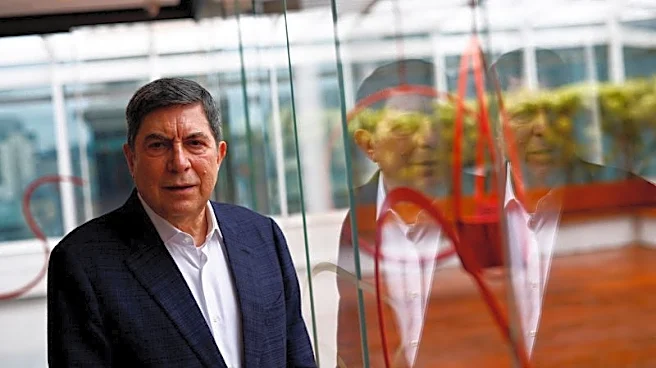
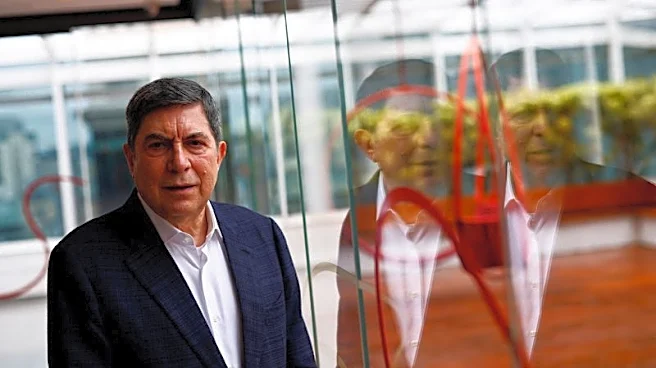
asset rally. The rally was triggered by President Luiz Inácio Lula da Silva's decision to appoint Bradesco chairman Luiz Carlos Trabuco Cappi as Brazil's next finance minister. This appointment, confirmed after Thursday's close, was interpreted by investors as a strong signal that the new administration will prioritize fiscal discipline. Secondary drivers for the rally included a roughly 3% gain in the Brazilian real, sharply lower local interest-rate futures, and a softer-than-expected mid-November inflation reading. The move was sector-wide, affecting other U.S.-listed Brazilian financials as well.
Why It's Important?
This event is important for U.S. investors holding Brazilian assets, particularly those in the financial technology sector like StoneCo. The appointment of a respected figure like Trabuco Cappi to a key economic position signals a potential shift towards greater fiscal stability in Brazil, which directly impacts companies operating there. A stronger Brazilian real and lower expected policy rates can significantly boost StoneCo's reported earnings, as the company earns revenue in reais and holds a credit book sensitive to domestic borrowing costs. Furthermore, a more stable economic environment can increase the multiple investors are willing to pay for such companies. The rally demonstrates how sovereign policy decisions in emerging markets can have a profound and immediate effect on the valuation of U.S.-listed companies with substantial international exposure, highlighting the interconnectedness of global financial markets.
What's Next?
Attention will now shift to the execution of Brazil's fiscal agenda and the composition of the incoming economic team under the new finance minister, Luiz Carlos Trabuco Cappi, who takes office in January 2027. Markets will be looking for concrete fiscal measures and whether a stronger real and falling yields will allow Brazil's central bank to begin easing monetary policy. A softer inflation path would be particularly beneficial for StoneCo's credit book, where risk costs have been rising among small merchants. Domestically, investors will also assess whether the rally in Brazilian financials attracts foreign inflows. Company-specific catalysts for StoneCo, such as fourth-quarter and full-year 2026 results, are expected in March 2027. Sell-side sentiment remains cautious, and further gains for StoneCo may depend on evidence that fiscal credibility translates into cheaper credit rather than just a sentiment shift.
Beyond the Headlines
The surge in StoneCo's stock price, driven by a political appointment, underscores the significant influence of political stability and economic policy on market sentiment, especially in emerging economies. This event highlights the 'country risk' factor that investors must consider when allocating capital internationally. The market's immediate positive reaction to the appointment of a finance minister perceived as fiscally responsible reflects a broader investor hunger for predictability and sound economic governance. It also illustrates how a single policy decision can reprice an entire country's assets, demonstrating the powerful interplay between politics, economics, and financial markets. For U.S. investors, this serves as a reminder that global macroeconomic and political developments can profoundly impact their portfolios, even for companies primarily operating abroad.