






What's Happening?
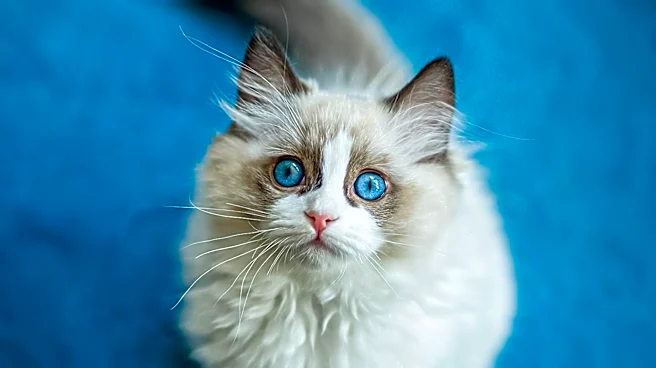
The Ragdoll cat, a breed originating in Riverside, California, in the 1960s, is known for its distinctive appearance and docile temperament. These cats are characterized by their semi-long, silky coats, always blue eyes, and pointed color patterns, which
include seal, blue, chocolate, and lilac. Males typically weigh between 12-20 lbs, and females between 8-15 lbs, making them one of the larger domestic cat breeds. They mature slowly, often not reaching full size and coat development until three or four years of age. The breed's calm, affectionate, and people-oriented nature makes them suitable for families and indoor living. Their 'floppy' trait when handled is a key characteristic, contributing to their name. The breed's history traces back to a white long-haired cat named Josephine and a breeder, Ann Baker, who selectively bred for these traits. Despite some colorful origin stories, the calm temperament is a result of selective breeding rather than any scientific anomaly.
Why It's Important?
The popularity of Ragdoll cats in the U.S. and U.K., recognized by major registries like the Cat Fanciers’ Association (CFA) since 2000, highlights a significant trend in pet ownership towards breeds with specific temperamental and aesthetic qualities. Their suitability for indoor living and compatibility with children and other pets makes them a preferred choice for many households, influencing the pet market and breeding practices. The emphasis on responsible breeding, including genetic testing for conditions like hypertrophic cardiomyopathy (HCM) and polycystic kidney disease (PKD), underscores the growing importance of animal welfare and health in the pet industry. This focus on health screening impacts breeders, veterinary services, and prospective cat owners, promoting healthier breeding lines and reducing the incidence of inherited diseases.
What's Next?
Prospective Ragdoll owners are advised to seek breeders registered with organizations like CFA or TICA who conduct genetic testing for HCM and screen for PKD, especially if the lineage includes Persian ancestry. Breeders are expected to provide documentation of parents' health screenings and allow potential buyers to meet the mother cat. Kittens should remain with their mother until at least 12 weeks old. For existing Ragdoll owners, regular grooming, including combing two to three times a week, is essential to prevent matting. Daily play sessions are recommended to ensure adequate exercise for this easygoing breed. Owners should also be vigilant for signs of common health issues and consult a vet if concerns arise, particularly regarding breathing, weight changes, or litter box habits.
Beyond the Headlines
The story of the Ragdoll breed also touches upon the ethical considerations in animal breeding. The breed's founder, Ann Baker, made unsubstantiated claims about the cats' pain tolerance, which highlights the importance of scientific accuracy and responsible information dissemination in the pet community. The breed's development through selective breeding for specific traits, such as docility and appearance, raises broader questions about genetic manipulation and the potential impact on animal health and natural behaviors. The ongoing efforts by mainstream cat associations to standardize breed recognition and promote health testing reflect a commitment to ethical breeding practices and the well-being of pedigree animals, moving beyond anecdotal claims to evidence-based care.