



What's Happening?
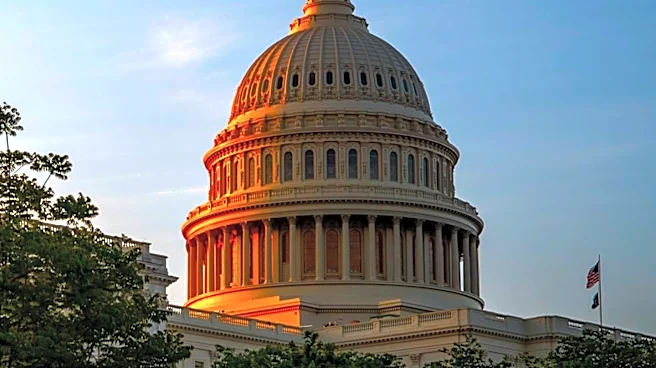
The U.S. Senate has unanimously passed the Bankruptcy Threshold Adjustment Act of 2026, which permanently raises the debt limit for small businesses filing for bankruptcy under Subchapter V of Chapter 11 to $7.5 million. This legislation, introduced with
bipartisan support, aims to provide a more accessible and cost-effective bankruptcy option for small businesses struggling with financial challenges. The increased debt limit, initially raised temporarily during the COVID-19 pandemic, addresses the needs of businesses that found the previous limit restrictive. The bill's passage reflects a commitment to supporting small businesses and adapting bankruptcy laws to current economic realities.
Why It's Important?
The permanent increase in the Subchapter V debt limit is a significant development for small businesses, offering them a viable path to financial restructuring and recovery. By easing access to bankruptcy protection, the legislation can help preserve jobs, maintain business operations, and contribute to economic stability. The move also highlights the importance of legislative adaptability in response to evolving economic conditions and the needs of small business owners. The bill's success could encourage further reforms in bankruptcy law and support for small businesses.
What's Next?
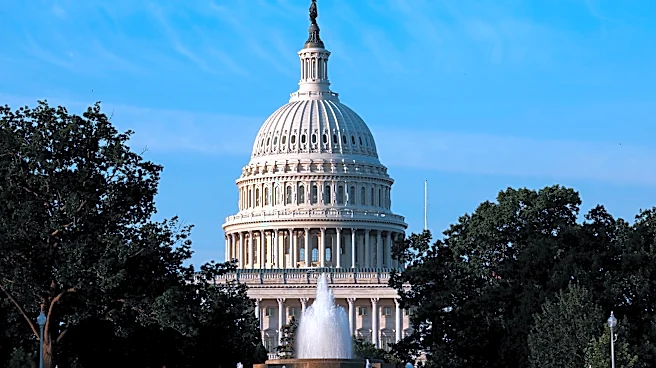
The companion legislation, H.R. 7730, introduced by Rep. Ben Cline, is pending in the House of Representatives. If passed, it will align with the Senate's action, providing a unified approach to supporting small businesses. Stakeholders, including business associations and legal experts, will likely advocate for the bill's passage and implementation. The impact of the increased debt limit on small business recovery and economic growth will be closely monitored.