



What's Happening?
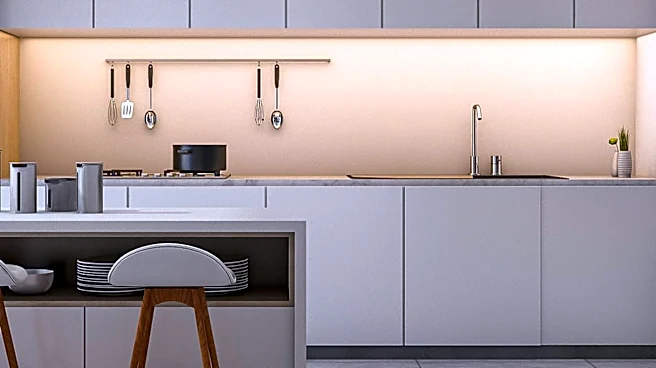
Contemporary interior design is characterized by a focus on simplicity, warmth, and evolving trends, contrasting with minimalist design's emphasis on fewer elements and maximum simplicity. Key aspects of contemporary design include clean lines, neutral
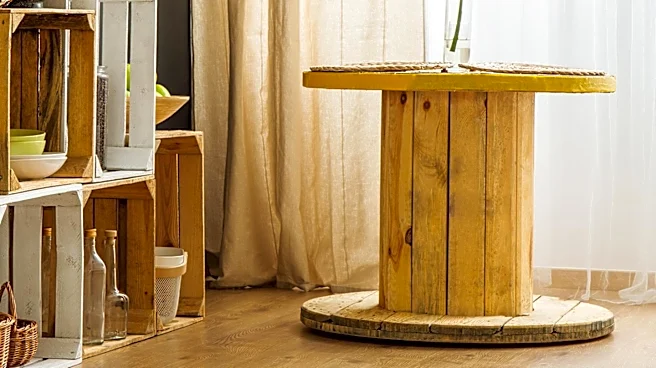
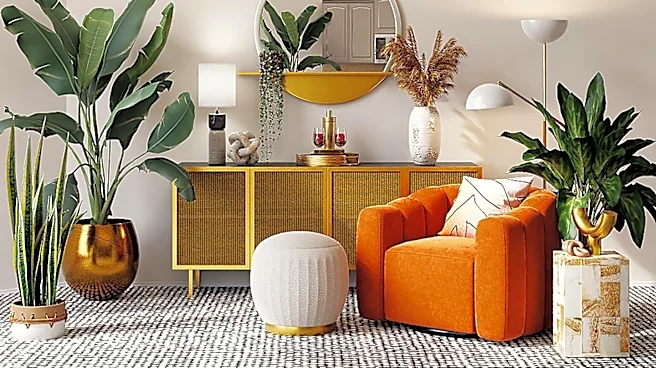
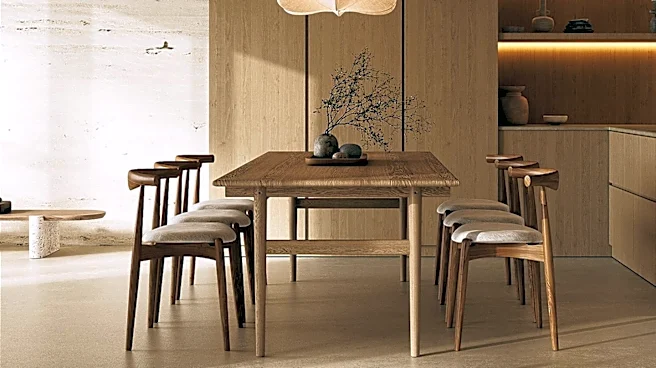
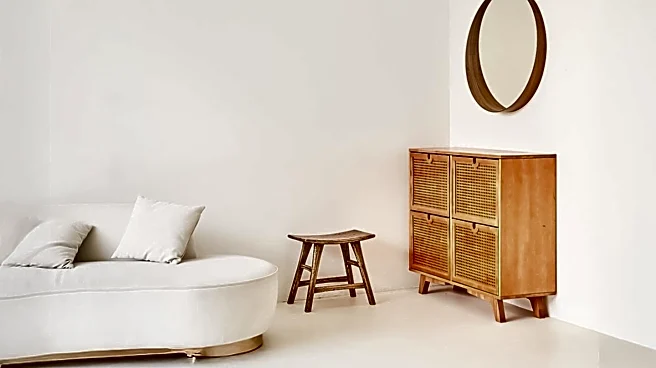
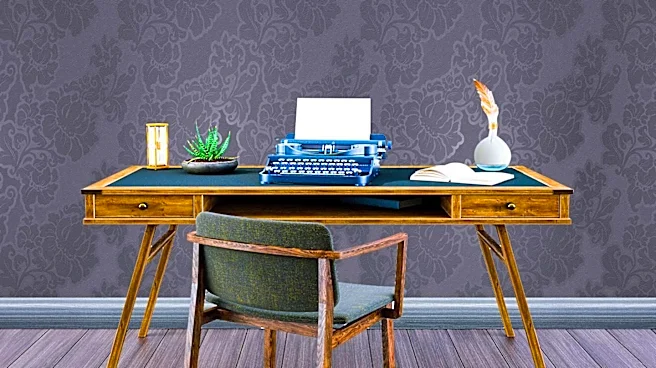
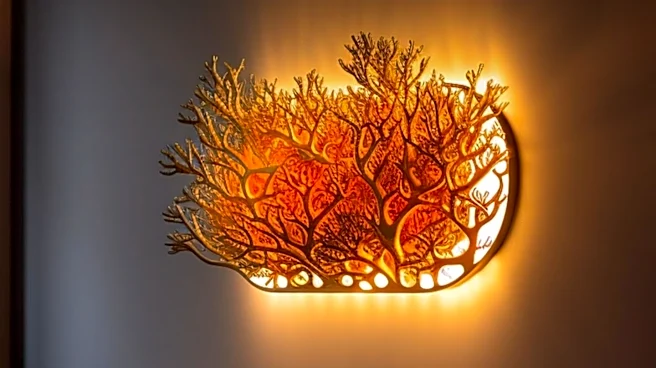
color palettes, natural textures, and open layouts. Furniture designs are often minimalist, featuring slim legs, simple shapes, and solid colors to prevent spaces from feeling crowded. Lighting fixtures are also minimalist, providing both function and visual appeal through elements like pendant lights, recessed lighting, and under-cabinet LEDs. The style prioritizes comfort and functionality, with purposeful furniture and smart storage solutions to maintain uncluttered spaces. This approach allows for adaptability as trends and lifestyles change, making it a dynamic and evolving aesthetic.
Why It's Important?
This trend is important as it reflects a broader societal shift towards intentional living and reduced visual clutter, impacting consumer choices in home furnishings and decor. For U.S. industries, this means a continued demand for products that align with minimalist and contemporary aesthetics, such as streamlined furniture, neutral textiles, and integrated smart home technologies. Businesses in the interior design and home goods sectors must adapt their offerings to cater to this preference for simplicity, functionality, and natural materials. The emphasis on sustainable materials and modular designs also signals a growing consumer awareness of environmental impact, pushing manufacturers to adopt more eco-friendly practices. This trend influences not only residential spaces but also commercial interiors, where a clean, uncluttered environment can enhance productivity and client experience.
What's Next?
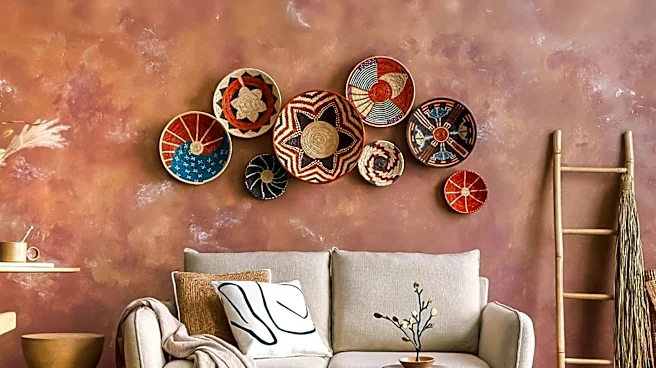
The evolution of contemporary design is expected to continue, with an ongoing balance between simplicity and the integration of warmth and texture. Designers will likely explore new ways to incorporate natural materials and sustainable practices, further solidifying the eco-conscious aspect of this trend. The integration of smart home technology, designed to blend seamlessly into minimalist environments, will also advance, offering more intuitive and discreet solutions. While minimalism remains a strong current, there's also an emerging counter-trend of 'maximalist layering' in some regions, suggesting a potential future diversification where bold patterns and colors might be selectively introduced within a generally restrained framework. This indicates that while the core principles of simplicity will endure, there will be room for personalized expressions and subtle shifts in aesthetic preferences.
Beyond the Headlines
Beyond its aesthetic appeal, the simplicity and minimalist living trend reflects deeper cultural values, including a desire for calm and order in an increasingly complex world. It encourages a more mindful approach to consumption, where quality and purpose are prioritized over quantity. This shift can lead to a reduction in consumer waste and a greater appreciation for craftsmanship and durable goods. Ethically, the focus on sustainable materials and practices promotes responsible manufacturing and sourcing. Psychologically, uncluttered spaces are often associated with reduced stress and improved mental well-being, making this trend more than just a design choice but a lifestyle philosophy. The longevity of this trend, as seen with the 'Kardashian moss bowl' evolving from a celebrity fad to a timeless centerpiece, underscores its resonance with fundamental human needs for connection to nature and serene environments.