
What's Happening?
Vintage Roberto Cavalli designs, particularly those from the late 1990s and early 2000s, are experiencing a significant resurgence in popularity among celebrities and a new generation of fashion enthusiasts.
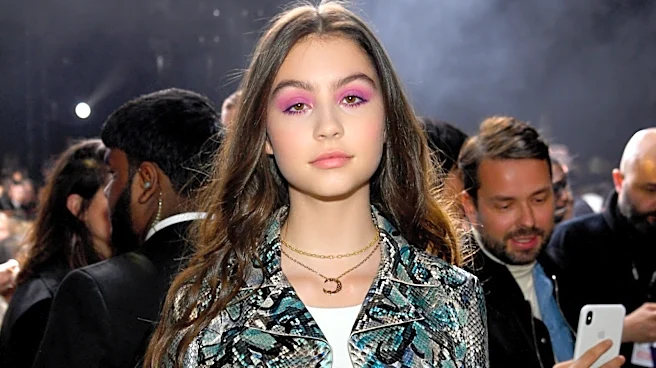
This comeback is attributed to a shift from 'quiet luxury' to a desire for more expressive and bold fashion. Roberto Cavalli, an Italian designer born in Florence in 1940, was known for his experimental approach to fashion, initially applying prints to knitwear before pioneering a patented technique for printing onto lightweight leather in the early 1970s. His work also featured patchworks of leather, suede, denim, and printed textiles. Cavalli's fascination with transformation extended to denim, introducing printed jeans in 1988 and sandblasted denim in 1994, followed by Lycra-blended denim for a 'second skin' fit. His signature animal prints, including zebra, leopard, tiger, and snake, became internationally recognized by 1994, defining a glamorous, rock 'n' roll aesthetic embraced by celebrities like Jennifer Lopez and Naomi Campbell. The current creative director, Fausto Puglisi, acknowledged this trend by closing the Spring/Summer 2025 show with seven original archive looks from the 2000s.
Why It's Important?
The renewed interest in vintage Roberto Cavalli signifies a broader trend in the fashion industry, where historical designs are being re-evaluated and re-integrated into contemporary style. This movement highlights the cyclical nature of fashion and the enduring appeal of distinctive aesthetics. For consumers, it offers an opportunity to engage with unique, high-quality pieces that stand out from mass-produced contemporary fashion. For the fashion industry, it underscores the value of brand heritage and archives, potentially influencing current design directions and marketing strategies. The emphasis on specific periods, prints, and silhouettes within Cavalli's archive suggests a growing connoisseurship among vintage buyers, moving beyond general Y2K nostalgia. This trend also supports the sustainability aspect of fashion by promoting the reuse and appreciation of existing garments, potentially reducing demand for new production. The involvement of current creative director Fausto Puglisi in showcasing archive pieces further legitimizes and promotes this vintage revival, bridging the gap between past and present collections.
What's Next?
The continued demand for vintage Roberto Cavalli pieces is likely to drive up prices in the secondary market, particularly for iconic prints, stretch denim, and accessories. Specialist archive stores and online platforms are expected to expand their curated selections to meet this growing interest. The trend may also inspire other fashion houses to delve into their own archives, potentially leading to more re-issued collections or designs heavily influenced by past successes. Celebrities and influencers will likely continue to champion vintage Cavalli, further solidifying its status as a desirable and fashionable choice. This sustained interest could also lead to increased efforts in authenticating vintage pieces, as the market becomes more sophisticated. Furthermore, the success of this vintage revival could encourage a broader appreciation for the craftsmanship and unique design philosophies of past eras, influencing future fashion trends and consumer preferences towards more distinctive and less ephemeral styles.
Beyond the Headlines
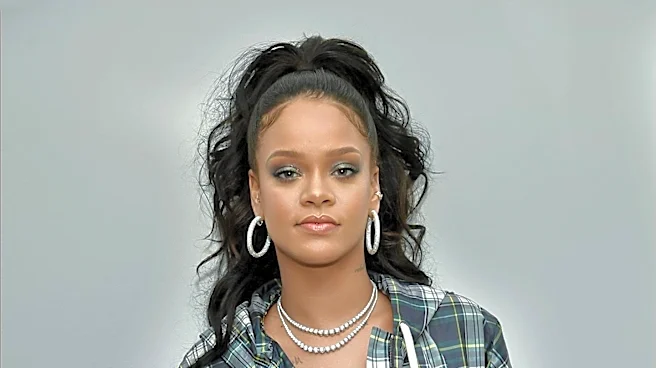
The resurgence of vintage Roberto Cavalli extends beyond mere fashion trends, reflecting a cultural shift towards individuality and a rejection of homogenous aesthetics. In an era dominated by 'quiet luxury,' the bold and unapologetic glamour of Cavalli's designs offers an alternative that resonates with those seeking to make a statement. This movement also highlights the ethical and environmental considerations within fashion, as vintage consumption inherently promotes sustainability by extending the lifecycle of garments. The appreciation for Cavalli's experimental techniques, such as printing on leather and innovative denim treatments, underscores the value of craftsmanship and material innovation in fashion history. Moreover, the phenomenon of celebrities like Bella Hadid and Zendaya wearing archive pieces elevates vintage fashion to a high-status symbol, challenging the traditional hierarchy where only new collections are considered prestigious. This re-evaluation of past designs as 'visual language and a female power affirmation' suggests a deeper cultural resonance, connecting historical fashion with contemporary expressions of identity and empowerment.