



What's Happening?
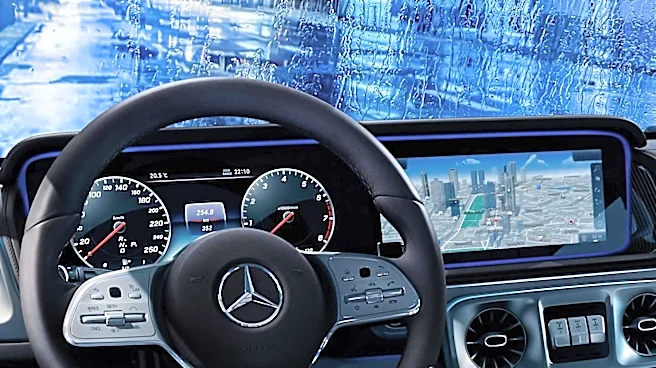
Mercedes-Benz is revising its approach to vehicle controls by reintroducing physical buttons in its car designs. CEO Ola Källenius acknowledged that the company's previous focus on digital touchscreens had compromised safety. The decision comes amid criticism
that touchscreens, which require drivers to navigate through menus, can distract from driving. The company plans to replace touch-sensitive sliders with physical controls for essential functions like volume and climate control. This shift is partly driven by Euro NCAP's new safety standards, which require physical controls for critical functions to achieve a five-star safety rating.
Why It's Important?
This move by Mercedes-Benz reflects a broader industry trend towards balancing digital innovation with practical safety considerations. The reintroduction of physical controls addresses consumer concerns about the usability and safety of touchscreens while driving. It also aligns with regulatory pressures from safety organizations like Euro NCAP, which influence automotive design standards. For Mercedes-Benz, this change could enhance its reputation for safety and user-friendly design, potentially increasing consumer trust and sales. The decision underscores the importance of ergonomics in automotive design, where user experience and safety are paramount.
What's Next?
Mercedes-Benz will continue to integrate large digital displays, like the MBUX Hyperscreen, while ensuring that critical functions remain accessible through physical controls. This approach aims to offer a blend of modern design and practical usability. The automotive industry will likely monitor consumer and regulatory responses to these changes, which could influence future design trends. As other manufacturers face similar pressures, Mercedes-Benz's strategy may set a precedent for balancing digital and physical interfaces in vehicles.