






What's Happening?
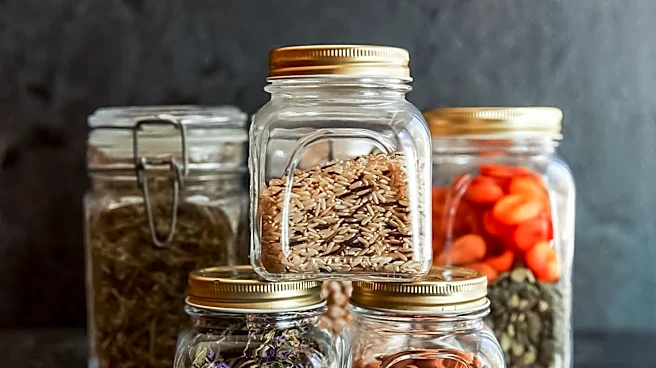
Storing dried herbs in a refrigerator is generally not recommended for optimal preservation, as it can lead to condensation and moisture absorption, which can spoil the herbs. Dried herbs are stable at room temperature due to their low water content.
The primary factors that degrade dried herbs are air, light, warmth, and moisture. While freezing can be a temporary solution for pest control or for long-term storage in extremely humid climates, daily refrigeration can introduce moisture every time a cold jar is brought into a warmer kitchen, causing condensation. Exceptions include paprika, chili flakes, and cayenne, which retain their red color better when cold, provided they are well-sealed and allowed to reach room temperature before opening.
Why It's Important?
This information is crucial for U.S. consumers and culinary businesses that rely on dried herbs for flavor and quality. Improper storage can lead to a significant loss of aroma, flavor, and color, diminishing the culinary experience and potentially leading to product waste. For businesses, understanding optimal storage conditions can impact inventory management, product quality control, and ultimately, customer satisfaction. Educating consumers on proper storage can help them maximize the shelf life and potency of their herbs, reducing food waste and ensuring better value for their purchases. The distinction between general dried herbs and specific exceptions like chili powders highlights the nuanced approach required for different ingredients.
What's Next?
Educational campaigns from culinary experts, food bloggers, and herb suppliers are likely to emphasize proper storage techniques for dried herbs, focusing on cool, dark, and dry environments rather than refrigeration. Manufacturers of herb and spice containers may see an increased demand for airtight, opaque jars designed to protect against light and air. Consumers might become more discerning about how they store their pantry items, potentially leading to a shift in kitchen organization practices. For those in humid regions, the recommendation for freezer storage for bulk herbs, with careful handling to prevent condensation, could become a more common practice, influencing packaging and storage solutions for these specific climates.
Beyond the Headlines
The discussion around dried herb storage extends beyond mere preservation; it touches upon the broader appreciation of culinary ingredients and the science behind their degradation. Understanding how environmental factors affect volatile oils and compounds in herbs can deepen a consumer's connection to their food and cooking. This knowledge empowers individuals to make more informed choices, fostering a culture of mindful consumption and reduced waste. The subtle art of preserving flavor and aroma in dried herbs also reflects a historical culinary wisdom, where traditional methods often prioritized conditions that naturally protected ingredients from spoilage. In an era of increasing interest in home cooking and gourmet ingredients, optimizing herb storage becomes a small yet significant part of a larger culinary journey.