






What's Happening?
Caliber, a prominent automotive repair and service brand, has announced its expansion into the New England region through the acquisition of Key Collision. This strategic move incorporates Key Collision's 10 locations across Maine, New Hampshire, and Vermont
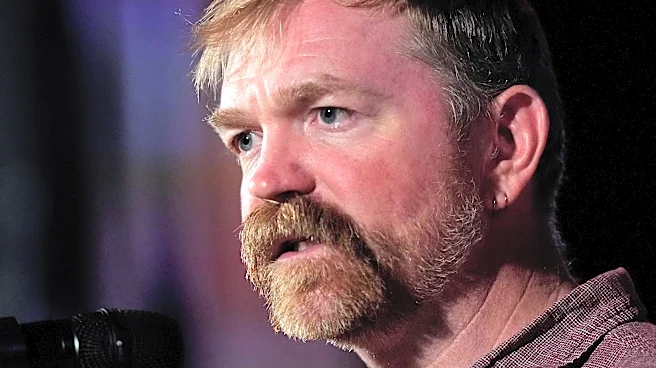
into the Caliber network, increasing Caliber's operational footprint to 44 states. Key Collision, established in 1992, operates repair centers in cities including Portland, Maine; Concord, Keene, Manchester, Nashua, Portsmouth, Rochester, and Salem, New Hampshire; and Colchester and South Burlington, Vermont. Val Fichera, Senior Vice President of Operations for the Northeast at Caliber, stated that this expansion will provide New England drivers with access to Caliber's recognized repair experience. John Stolz, former Chief Operating Officer of Key Collision, noted that joining Caliber offers additional resources and technology while preserving the company's established legacy in the region. Focus Advisors represented Key Collision in this transaction.
Why It's Important?
This acquisition signifies a notable consolidation within the U.S. automotive repair industry, with Caliber further solidifying its national presence. For consumers in Maine, New Hampshire, and Vermont, this expansion means access to a larger network of repair centers and potentially standardized service quality associated with a major national brand. For the automotive repair market, it indicates a trend towards larger multi-shop operators (MSOs) acquiring regional players, which can lead to increased efficiency, broader service offerings, and potentially more competitive pricing due to economies of scale. Local businesses previously competing with Key Collision may face heightened competition from a larger, more resourced entity. The integration of Key Collision's established operations into Caliber's network also highlights the value placed on existing infrastructure and local market expertise in expansion strategies.
What's Next?
Following the acquisition, Caliber will likely focus on integrating Key Collision's operations, staff, and customer base into its existing framework. This will involve aligning operational procedures, technology systems, and branding. Customers of the former Key Collision locations can expect to see a transition to Caliber's service standards and potentially new service offerings. The expansion may also lead to further investments in technology and training for the newly acquired centers. For the broader automotive repair industry, this move could prompt other national MSOs to pursue similar expansion strategies in regions with strong local and regional players, further consolidating the market. The success of this integration will be closely watched as a model for future acquisitions in the sector.
Beyond the Headlines
The consolidation of the automotive repair industry, exemplified by Caliber's acquisition, has broader implications for the labor market and small businesses. As larger entities absorb independent or regional chains, there can be shifts in employment practices, benefits, and career paths for technicians and administrative staff. While larger companies may offer more structured career development and advanced training, there's also a potential impact on the unique culture and personalized service often found in smaller, locally-owned businesses. This trend also raises questions about market diversity and consumer choice in the long term, as fewer, larger players dominate the landscape. The emphasis on 'preserving what the company built' by Key Collision's former COO suggests an awareness of the importance of local identity and customer relationships, which will be a key challenge for Caliber to maintain during integration.