







What's Happening?
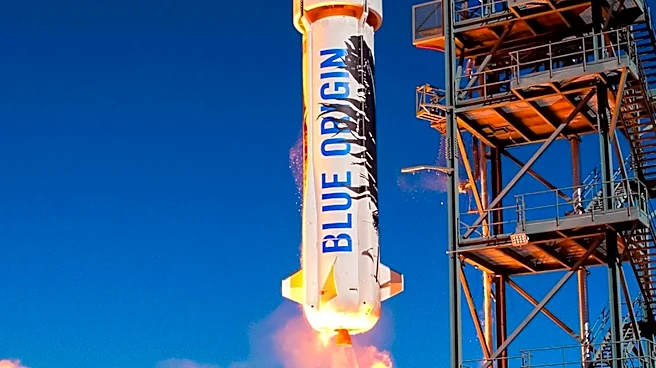
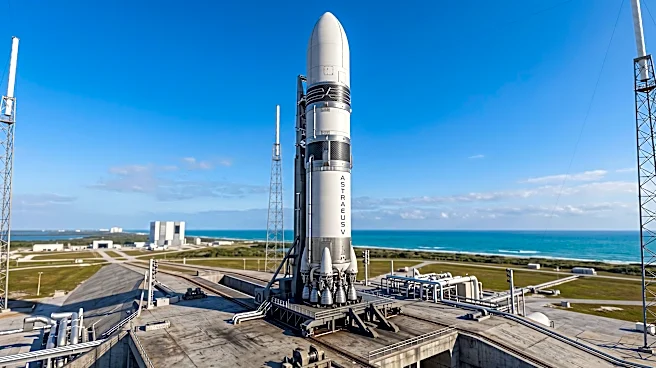
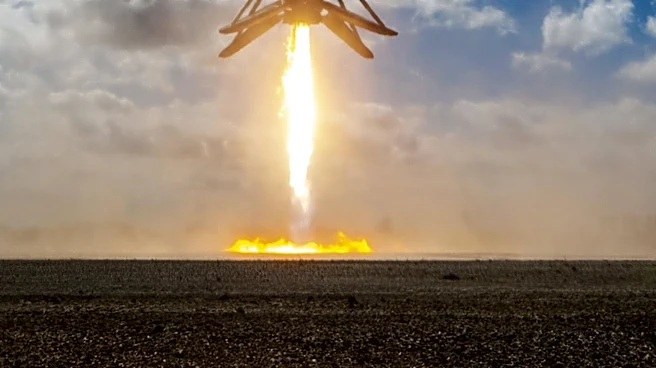
AST SpaceMobile announced on November 6, 2026, its plans to develop a new 20-ton reusable rocket named Blacklift. This rocket is projected to commence launches in late 2028 and will be capable of carrying up to five BlueBird satellites per flight. To
facilitate this development, AST SpaceMobile has entered into a three-year agreement with Firefly Aerospace, valued at over $1.3 billion. This agreement encompasses the provision of 36 rocket engines, engineering support, and licensing rights that will allow AST SpaceMobile to manufacture the Miranda and Vira engines. The company's primary objective remains the establishment of its BlueBird satellite network, designed to deliver broadband connectivity directly to standard smartphones via mobile network operators. This initiative aims to extend mobile coverage beyond existing terrestrial cellular infrastructure. AST SpaceMobile has also secured over 100 external launch agreements for planned satellite deployments throughout 2027 and 2028, indicating a broader strategy for expanding its global connectivity infrastructure.
Why It's Important?
The development of the Blacklift rocket signifies a strategic shift for AST SpaceMobile, aiming to gain greater control over its satellite deployment schedule and reduce its reliance on external launch providers. This move could potentially streamline the rollout of its BlueBird satellite network, which is crucial for its business model of providing direct-to-phone satellite broadband. By internalizing launch capabilities, AST SpaceMobile could mitigate risks associated with third-party launch availability and scheduling, which are common challenges in the space industry. However, this venture also introduces substantial financial and engineering complexities, requiring significant capital investment and technical expertise. The success of the Blacklift project is integral to the company's long-term infrastructure strategy and its ability to compete in the emerging market of satellite-based mobile connectivity. The financial implications of this project will be a key focus for investors, especially concerning its impact on revenue growth, operating expenses, and future funding requirements.
What's Next?
AST SpaceMobile's immediate next step involves its upcoming third-quarter earnings report, scheduled for November 9, 2026. This report will be critical for investors, as it is expected to provide further insights into the company's financial position, operational progress, and the financial implications of the Blacklift project. Key areas of focus will include revenue growth, operating expenses, available cash, future funding requirements, and updates on BlueBird satellite manufacturing and deployment. The company will need to demonstrate how it plans to balance its ambitious satellite deployment goals, commercial expansion efforts, and the significant investment required for its new rocket development. Successful execution of the Blacklift project will involve overcoming engineering challenges and managing substantial capital requirements, which will be closely monitored by stakeholders. Future developments will also include progress on the manufacturing of Miranda and Vira engines under the Firefly Aerospace agreement and the commencement of Blacklift rocket testing leading up to its projected 2028 launch.
Beyond the Headlines
The decision by AST SpaceMobile to develop its own reusable rocket, Blacklift, reflects a broader trend in the space industry where companies are increasingly seeking vertical integration to control critical aspects of their operations. This move could set a precedent for other satellite communication providers to consider in-house launch capabilities, potentially reshaping the competitive landscape of both satellite deployment and launch services. Ethically, this strategy could lead to more efficient and cost-effective access to space, democratizing satellite technology and expanding global connectivity to underserved regions. However, it also raises questions about market concentration and potential barriers to entry for smaller players. Legally, the licensing agreement with Firefly Aerospace for engine manufacturing highlights the complex intellectual property and technology transfer arrangements becoming common in advanced aerospace projects. Long-term, if successful, Blacklift could significantly accelerate the deployment of AST SpaceMobile's global cellular broadband network, potentially transforming how mobile connectivity is delivered worldwide and challenging traditional terrestrial network models.