








What's Happening?
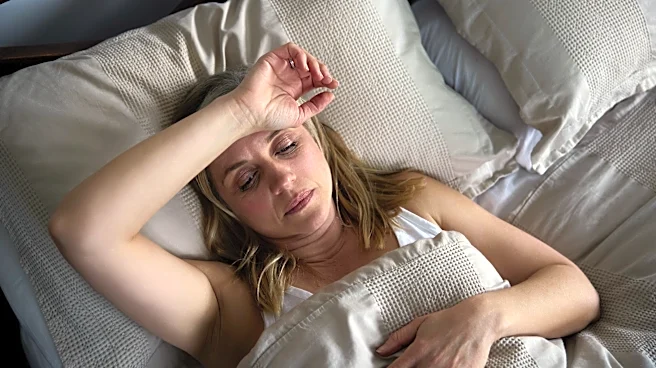
Night sweats, a common issue affecting many individuals, particularly women during menopause, can significantly disrupt sleep. Dr. Francesco Callipari from The Mount Sinai Hospital explains that night sweats are episodes of heavy sweating during sleep,
often caused by hormonal changes, medications, or underlying health conditions. Effective management strategies include maintaining a cool sleep environment, using moisture-wicking fabrics, and considering medical treatments like hormone therapy or non-hormonal medications.
Why It's Important?
Night sweats can lead to sleep disruption, resulting in daytime fatigue, irritability, and cognitive issues. Addressing this problem is crucial for improving quality of life and overall health. Understanding the causes and available treatments can help individuals manage symptoms more effectively, reducing the impact on daily activities and mental well-being. This issue also highlights the importance of discussing sleep-related concerns with healthcare providers to find appropriate solutions.
What's Next?
Individuals experiencing night sweats are encouraged to consult healthcare professionals to explore treatment options tailored to their specific needs. Continued research into the causes and management of night sweats may lead to more effective therapies. Public awareness campaigns could also help educate people about the importance of sleep hygiene and the potential health impacts of untreated night sweats.