




What's Happening?
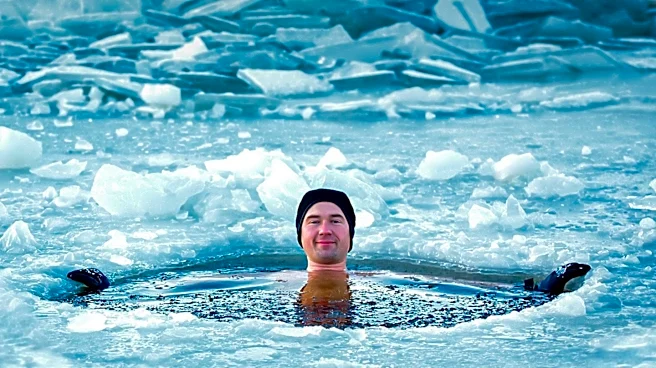
Cold plunge therapy, also known as cold water immersion, is gaining significant traction among athletes in the Roaring Fork Valley as a recovery tool. This practice involves submerging the body in cold water, typically between the high 30s and high 50s
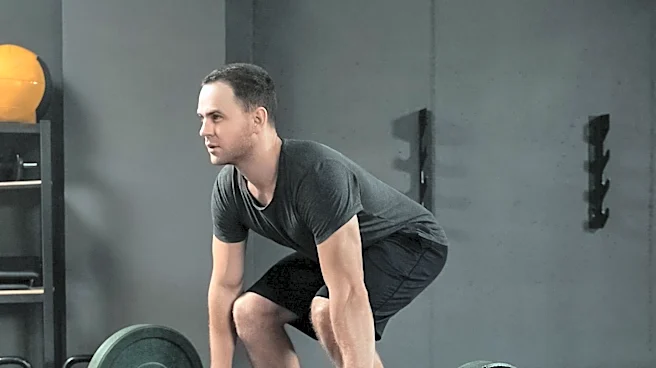
Fahrenheit, for short periods. When exposed to cold water, the body undergoes vasoconstriction, where blood vessels narrow, redirecting blood to the core. Upon rewarming, blood flow returns, which is believed to aid in recovery. Research suggests that cold water immersion can reduce delayed onset muscle soreness and improve perceived recovery, making it beneficial for athletes engaged in intense training or back-to-back events. However, experts emphasize that cold plunging is not a universal solution and its timing is crucial, particularly for strength training, where immediate post-workout immersion might blunt muscle growth.
Why It's Important?
For athletes in high-altitude training environments like the Roaring Fork Valley, effective recovery is paramount. Cold plunge therapy offers a method to potentially accelerate recovery, reduce muscle soreness, and enhance mental resilience, which can be critical for sustained performance. The increasing availability of dedicated plunge tubs with chillers and filtration systems in gyms and wellness studios makes this practice more accessible, influencing how athletes manage their training and recovery. However, the caveat regarding strength training highlights the importance of understanding the physiological impacts of cold exposure and timing it appropriately to maximize benefits without hindering adaptation. This nuanced approach to recovery can significantly impact an athlete's long-term development and performance, emphasizing the need for informed decisions in their training regimens.
What's Next?
Athletes and wellness practitioners in the Roaring Fork Valley will likely continue to refine their use of cold plunge therapy, integrating it strategically into training schedules based on specific goals, such as endurance recovery versus strength building. The availability of local facilities offering cold plunges, often combined with saunas for contrast therapy, will likely expand, providing more options for athletes to experiment with the practice. Educational efforts will be crucial to inform athletes about optimal temperatures, durations, and timing of plunges, as well as safety considerations, especially at high altitudes. Further research into the specific effects of cold water immersion on different types of athletic performance and recovery at varying altitudes could lead to more tailored recommendations and protocols for athletes in regions like the Roaring Fork Valley.
Beyond the Headlines
The adoption of cold plunge therapy in the Roaring Fork Valley underscores a broader trend in sports science and athlete wellness: the integration of traditional practices with modern scientific understanding. While the immediate physical benefits like reduced soreness are evident, the mental aspect of cold plunging—the ability to stay calm and control breathing in uncomfortable conditions—builds psychological resilience that extends beyond athletic performance. This mental fortitude can be a significant advantage in competitive sports and daily life. The emphasis on proper timing and individual needs also highlights a move away from one-size-fits-all approaches to recovery, promoting a more personalized and informed strategy for athlete well-being. This trend reflects a growing appreciation for the interplay between physical and mental health in achieving peak performance.