
What's Happening?
Rebecca Ferguson and Greta Lee have been spotted filming a new sapphic romantic comedy in London, capturing public attention with viral footage of their on-screen chemistry. The filming took place at the Horse Guards Parade, a notable location in central
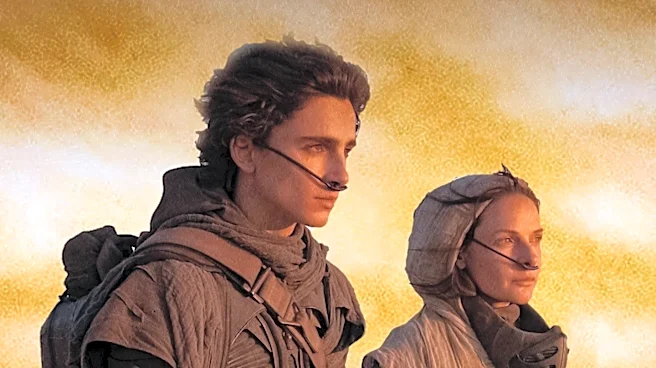
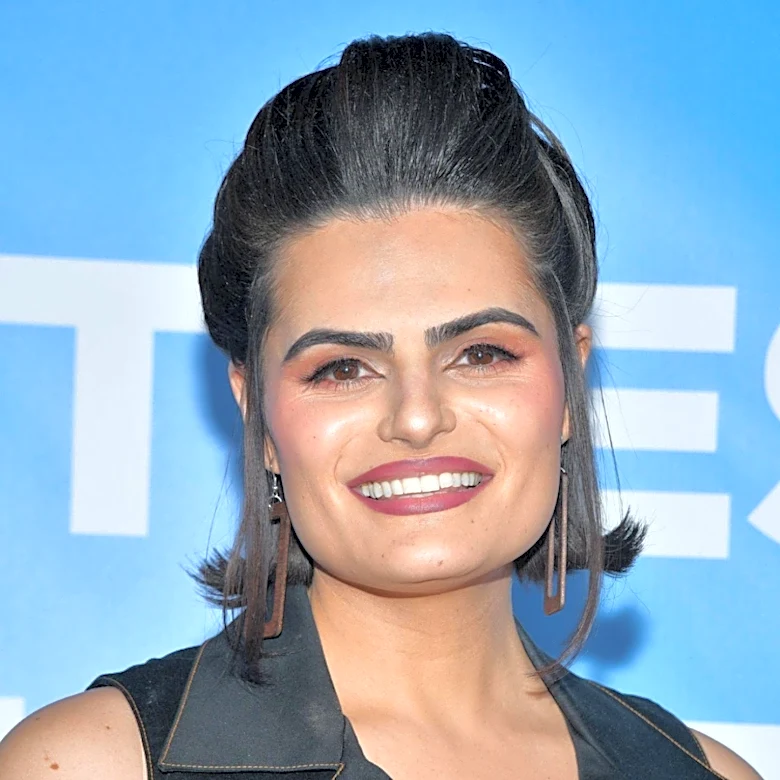
London. The movie, which remains untitled, features the two actresses in a romantic storyline, marking a new genre exploration for both. Greta Lee, known for her role in 'Past Lives,' and Rebecca Ferguson, famous for 'Dune,' were seen sharing intimate moments on set, including a kiss, which has fueled excitement and speculation about the film's narrative. Although details about the movie are scarce, Lee hinted at the project in a recent interview, expressing her excitement and apprehension about taking on a romance between two women, a first for her career.
Why It's Important?
The film represents a significant step in the representation of LGBTQ+ relationships in mainstream cinema, potentially broadening the scope of romantic comedies to include more diverse narratives. This project could influence the film industry by encouraging more inclusive storytelling, reflecting the growing demand for representation of different sexual orientations and identities. The involvement of high-profile actresses like Ferguson and Lee may attract a wide audience, further normalizing LGBTQ+ relationships in popular media. This development is crucial for societal acceptance and visibility of the LGBTQ+ community, potentially impacting public perceptions and fostering a more inclusive cultural landscape.
What's Next?
As the film progresses, anticipation is likely to build around its release, with potential reactions from both the LGBTQ+ community and mainstream audiences. The film's success could pave the way for more projects featuring diverse romantic narratives, influencing casting decisions and storytelling in Hollywood. Industry stakeholders, including producers and directors, may monitor the film's reception to gauge audience interest in similar content. Additionally, the film could spark discussions on social media and in cultural critiques, contributing to ongoing conversations about representation in media.