






What's Happening?
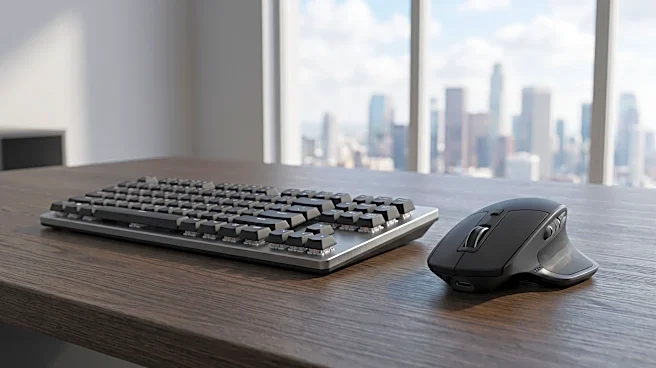
Logitech International expects its semiconductor supply disruption to be resolved by the end of its third fiscal quarter. The company has revised its estimate for the impact of this disruption on third-quarter sales, reducing it from an initial projection
of up to $200 million to a new range of $70 million to $80 million. This adjustment comes as Logitech has implemented strategies such as redesigning products to utilize different components, modifying marketing plans, and securing supplies from alternative sources. According to Chief Financial Officer Matteo Anversa, the company anticipates a return to normal supply conditions by the fourth quarter. Despite a general decline in PC sales, Logitech's second-quarter net sales increased by approximately 2% year-over-year in constant currency, with video collaboration revenue growing by 12% and gaming sales by 7%. Demand in the Americas exceeded expectations across both consumer and business sectors, while Europe experienced weaker-than-anticipated demand.
Why It's Important?
This development is significant for Logitech and the broader technology sector as it signals a potential easing of supply chain pressures that have affected numerous industries. A quicker resolution to semiconductor shortages allows Logitech to meet product demand more effectively, potentially boosting sales and market share. The company's ability to mitigate the financial impact of these disruptions through strategic adjustments demonstrates resilience in a challenging global economic environment. For consumers and businesses, a stable supply of Logitech's peripherals and collaboration tools means greater availability and potentially more competitive pricing. The stronger demand observed in the Americas suggests a robust market for technology products in the region, which could influence future investment and product allocation strategies for Logitech and its competitors. The company's long-term organic growth target of 6% to 8% annually, supported by investments in healthcare, education, and the public sector, indicates a strategic pivot towards diversified growth areas beyond traditional consumer electronics.
What's Next?
Logitech plans to be back to normal supply conditions by the fourth quarter, which could lead to increased product availability and potentially stronger sales performance in the upcoming holiday season. The company expects to conclude the fiscal year near the upper end of its 15% to 18% operating-margin framework, despite ongoing inflationary pressures. While gross margin is projected to slightly decrease from the second to the third quarter, Logitech has proactively secured memory supplies through the end of its fiscal year. The company previously increased video collaboration prices by about 13% in May to offset higher memory costs and may consider further price adjustments for consumer products if inflation persists beyond the fourth quarter. Logitech is also exploring opportunities in artificial intelligence to enhance existing products and support new interaction methods, such as voice and gesture recognition, with a focus on 'edge AI' for privacy. The company envisions a future sales mix shifting towards a more balanced 50-50 split between consumer and business-to-business channels.
Beyond the Headlines
Logitech's proactive measures in navigating semiconductor shortages highlight a broader industry trend of companies adapting supply chain strategies to enhance resilience. The shift towards 'edge AI' for privacy concerns reflects a growing consumer and regulatory demand for data protection, which could become a key differentiator in the competitive tech market. The company's strategic investments in business-to-business sectors like healthcare, education, and the public sector indicate a recognition of evolving market needs and a move to diversify revenue streams beyond traditional consumer electronics. This pivot could lead to long-term growth and stability, reducing reliance on volatile consumer markets. Furthermore, the anticipated shift towards a more balanced consumer-to-business sales mix suggests a strategic evolution in Logitech's business model, potentially leading to more stable and predictable revenue streams as enterprise contracts often provide greater consistency than consumer purchases. This could also influence product development, with a greater focus on enterprise-grade solutions and services.