


What's Happening?
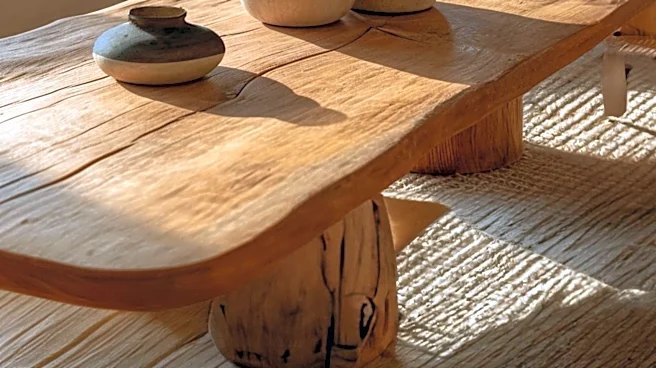
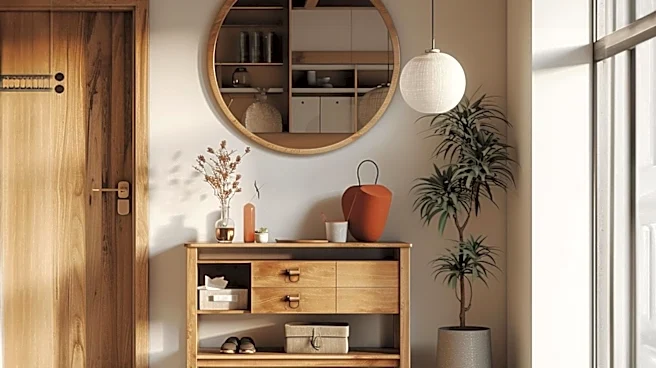
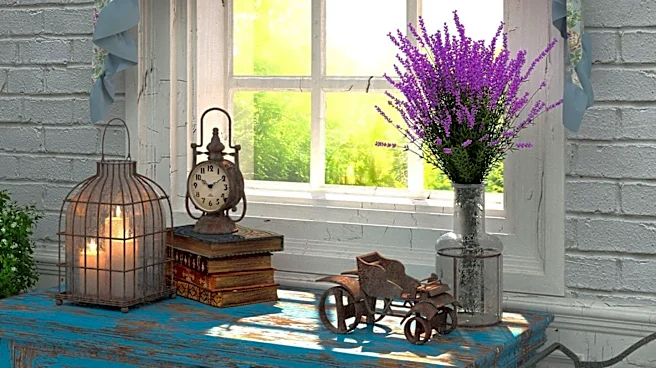
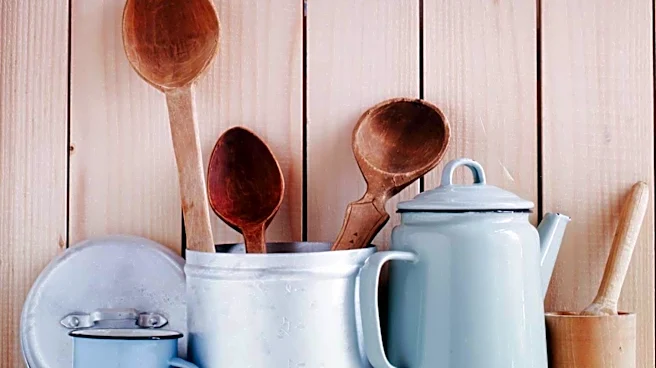
Cottagecore decor is an interior aesthetic inspired by countryside homes, focusing on vintage furniture, handmade items, floral patterns, natural materials, and a 'slow living' ethos. Key elements include warm wood, linen, lace, botanical prints, open
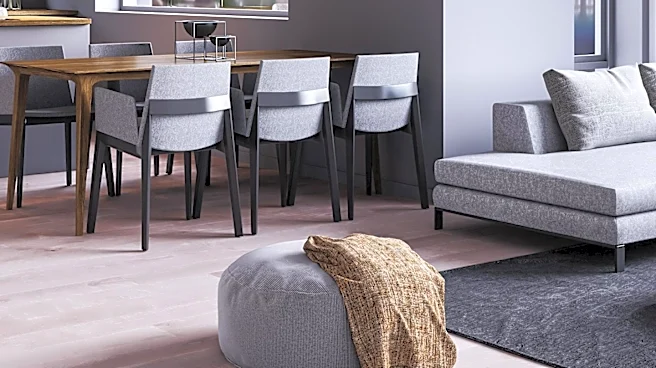
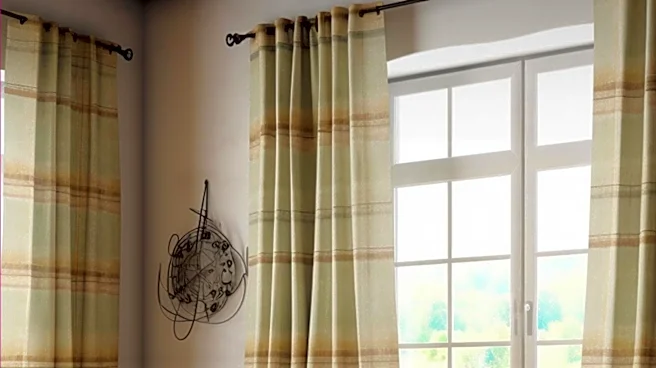
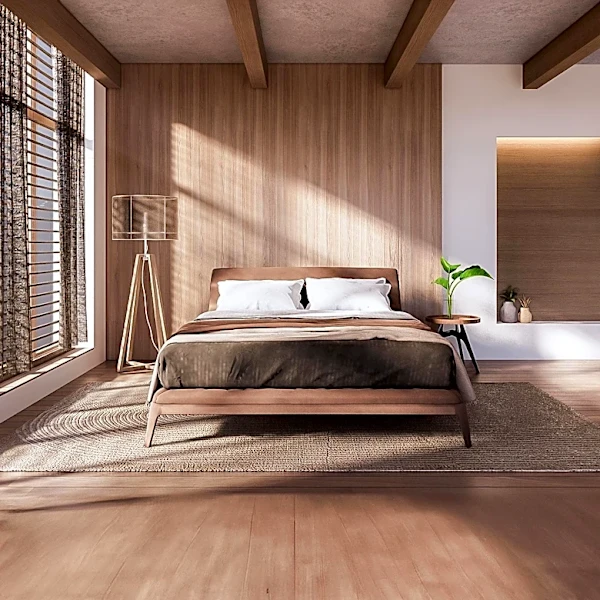
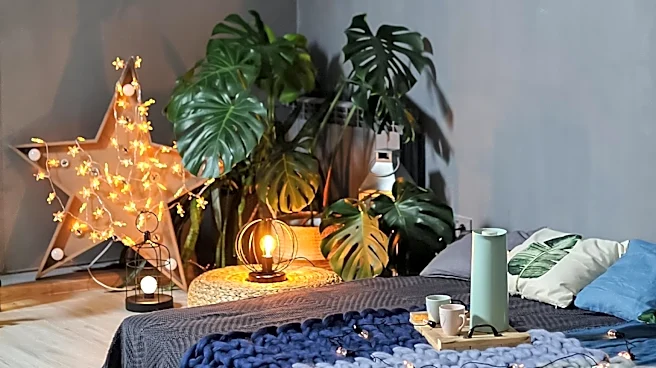
shelves, candles, books, plants, and antique pieces, creating a collected rather than showroom-perfect feel. The style prioritizes soft, nature-led colors such as cream, warm white, sage green, dusty rose, butter yellow, soft blue, terracotta, olive, and warm brown, all with a sun-faded appearance. Modern cottagecore adapts this by incorporating cleaner layouts, better storage, fewer objects, and controlled pattern use, while dark cottagecore introduces a moodier palette with olive, forest green, burgundy, chocolate brown, charcoal, aged brass, and heavier botanical prints, suitable for low-light rooms like bedrooms or studies. The approach encourages building the aesthetic slowly, focusing on a few key markers rather than overwhelming a space with every possible cottagecore element.
Why It's Important?
The rise of cottagecore decor reflects a broader societal trend towards comfort, nostalgia, and a desire for simpler, more natural living environments, particularly relevant in a fast-paced, digitally-driven world. This aesthetic offers a counterpoint to minimalist or ultra-modern designs, providing a sense of warmth and personal history within homes. Its emphasis on natural materials and vintage items also aligns with growing consumer interest in sustainability and repurposing, reducing reliance on mass-produced goods. For industries, this trend impacts furniture manufacturers, textile producers, and home decor retailers, encouraging the production and sourcing of items that fit the cottagecore aesthetic, from distressed wood furniture to botanical-themed fabrics. The 'slow living' aspect also influences consumer behavior, promoting thoughtful purchasing and a focus on creating meaningful spaces over transient trends, potentially shifting market demand towards artisanal and second-hand goods.
What's Next?
The cottagecore aesthetic is likely to continue evolving, with variations like modern and dark cottagecore indicating its adaptability to diverse preferences and living spaces. Designers and retailers may further explore hybrid styles that blend cottagecore elements with other popular aesthetics, such as incorporating more industrial touches or minimalist lines while retaining the core warmth and natural feel. There could be an increased demand for workshops and DIY resources focused on creating handmade decor, upcycling furniture, and incorporating natural elements, as consumers seek to personalize their spaces authentically. The emphasis on sustainability and vintage finds suggests a continued growth in the second-hand market for home goods, with online platforms and local antique shops becoming key sources for decor. Additionally, the integration of smart home technology in a way that complements, rather than detracts from, the rustic charm of cottagecore could be a future development, allowing for modern convenience within a traditional aesthetic.
Beyond the Headlines
Beyond its aesthetic appeal, cottagecore taps into a deeper cultural yearning for authenticity, comfort, and a connection to nature, often serving as an antidote to the stresses of modern life. It reflects a romanticized view of rural living and simpler times, offering a psychological escape through interior design. This trend can influence not only home decor but also lifestyle choices, encouraging activities like gardening, baking, and crafting, which are integral to the cottagecore ethos. The movement also subtly challenges consumerism by advocating for thoughtful acquisition of items, valuing longevity and personal meaning over fleeting trends. Ethically, it promotes a more sustainable approach to consumption by encouraging the reuse of vintage items and the use of natural, durable materials. Culturally, it fosters a sense of nostalgia and a re-appreciation for traditional crafts and domestic arts, potentially influencing broader trends in fashion, food, and entertainment that celebrate a return to perceived simpler values.