



What's Happening?
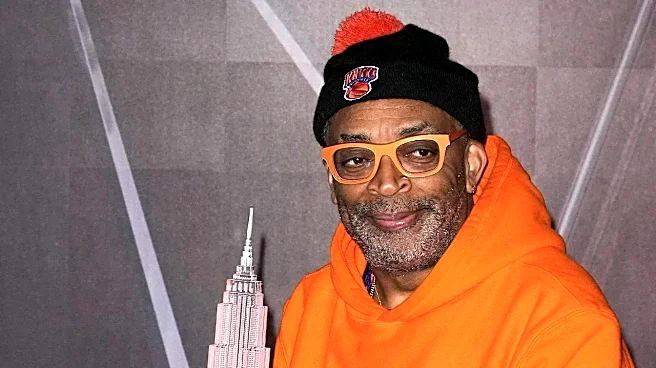
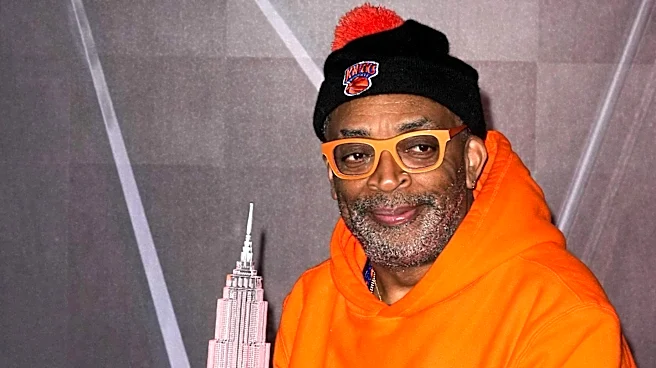
Filmmaker Spike Lee was among thousands of attendees at New York's annual subway memorabilia auction in south Brooklyn. Lee purchased a metal sign marked 'Penn Station,' which is the subway stop for Madison Square Garden, home to his favorite basketball
team, the Knicks. He shared with reporters that while he no longer takes the subway to games, he regularly used it during his upbringing, always paying his fare and never jumping the turnstile. The auction, organized by city authorities, offers various items from the city's transit service, including subway signs and the iconic orange plastic seats. Prices for these items range from approximately $500 for a medium-sized sign to over $1,000 for larger ones, with orange seats selling for around $900 each. The event draws about 4,000 people annually, eager to acquire a piece of New York's transit history.
Why It's Important?
This annual subway memorabilia auction highlights a unique aspect of New York City's cultural identity and its residents' connection to the public transit system. The event allows individuals, including celebrities like Spike Lee, to own tangible pieces of the city's infrastructure, transforming discarded items into cherished collectibles. The high demand and significant prices for these items, such as subway signs and seats, underscore the sentimental and historical value placed on the New York subway, despite its often-criticized conditions. This phenomenon reflects a broader trend of urban nostalgia and the desire to preserve elements of a city's past, contributing to a distinct local economy centered around historical artifacts. It also demonstrates how public services can inadvertently create a secondary market for memorabilia, generating revenue and fostering community engagement.
What's Next?
The continued popularity of the annual subway memorabilia auction suggests that future events will likely attract similar crowds and maintain strong sales. The Metropolitan Transportation Authority (MTA) has recognized the public's interest, expanding sales to the public after initially reselling items to collectors. This trend indicates a potential for the MTA to further capitalize on this demand, possibly by increasing the variety of items offered or expanding the sale's duration. Given the success of items like the recently retired MetroCards, which sell for $6, the MTA may explore offering other decommissioned transit elements. The event's growing appeal could also inspire similar initiatives in other major cities with extensive public transit systems, turning operational discards into valuable cultural artifacts and revenue streams.
Beyond the Headlines
The annual subway memorabilia auction delves deeper than just selling old signs and seats; it taps into the collective memory and identity of New Yorkers. The act of purchasing a piece of the subway, even a 'dirty' and 'smelly' one as described by one attendee, is an affirmation of a shared urban experience. It transforms the mundane into the meaningful, allowing individuals to literally hold a piece of the city's narrative. This cultural phenomenon reflects how public infrastructure, often taken for granted, can become deeply embedded in personal and collective histories. The presence of figures like Spike Lee further elevates the event, linking it to broader cultural narratives and celebrity endorsement. It also raises questions about sustainability and repurposing, as discarded materials find new life and value, contributing to a unique form of urban heritage preservation.