




What's Happening?
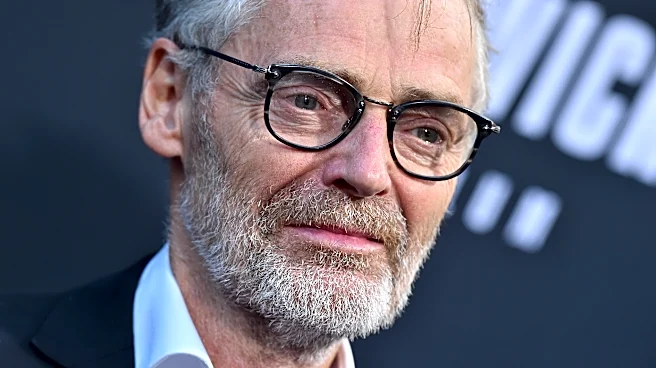
Oscar-winning editor Mikkel Nielsen recently discussed his work on Martin McDonagh's new film, 'Wild Horse Nine,' which was released in theaters on November 6. This marks Nielsen's second collaboration with McDonagh, allowing for a more relaxed and experimental
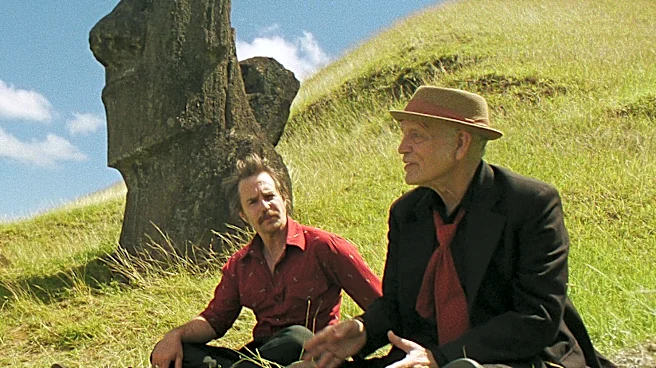
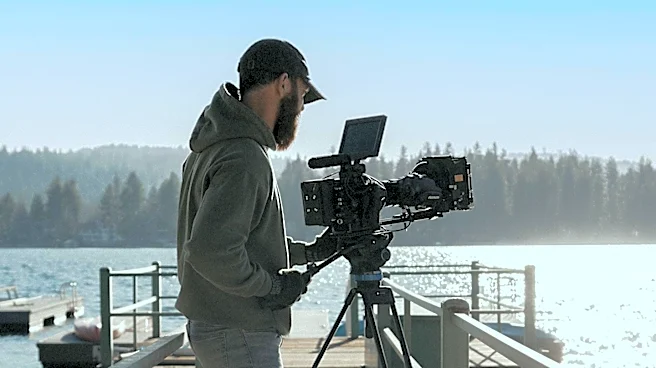
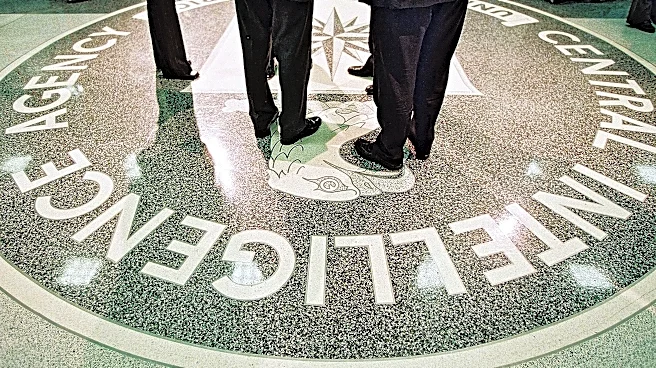
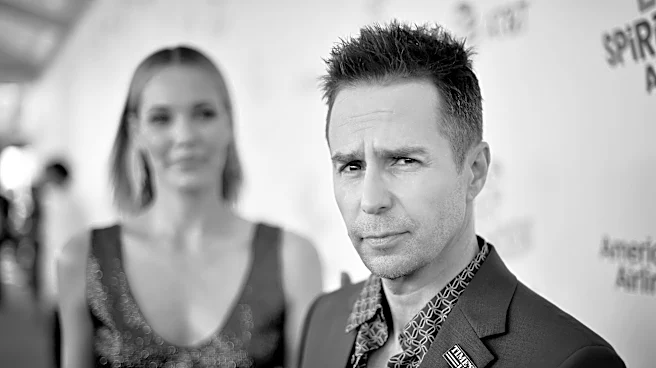
editing process. Nielsen emphasized the importance of creating a safe space for ideas in the editing room, even unconventional ones, to unlock creative solutions. He also highlighted the challenge of balancing the film's comedic, dramatic, and thriller elements while remaining respectful of the real historical events it portrays. The film is set in Chile leading up to the 1973 military coup and follows CIA agents Chris Carlisle (John Malkovich) and Lee Chesterfield (Sam Rockwell) on Easter Island. Nielsen had the opportunity to visit Easter Island prior to filming, which helped him familiarize himself with the setting before working with the footage. He detailed his approach to shaping the complex relationship between Malkovich's and Rockwell's characters through individual character passes and careful attention to their interactions and emotional responses.
Why It's Important?
The insights from Mikkel Nielsen offer a valuable look into the intricate process of film editing, particularly in balancing diverse narrative tones and historical sensitivity. His approach underscores the editor's crucial role in shaping a film's final impact and ensuring audience engagement. For the U.S. film industry, this highlights the collaborative nature of filmmaking and the significance of the editor-director relationship in achieving artistic vision. The film's setting in a historically sensitive period in Chile also brings attention to how U.S. productions navigate complex international political contexts, potentially influencing how historical events are portrayed and perceived by a global audience. The success of such collaborations can further solidify the reputations of key creatives like Nielsen and McDonagh, influencing future projects and creative partnerships within Hollywood and beyond. The discussion also sheds light on the technical and artistic challenges involved in crafting a compelling narrative from raw footage, which is essential for the continued evolution of cinematic storytelling.
What's Next?
With 'Wild Horse Nine' now released, the focus will shift to its reception by audiences and critics, which will further evaluate the effectiveness of Nielsen's editing and McDonagh's direction. The film's performance could influence future collaborations between Nielsen and McDonagh, potentially leading to more projects that push creative boundaries in storytelling. Industry professionals will likely analyze the film's success in balancing its various genres and historical context, which could set new benchmarks for similar productions. For Nielsen, continued recognition for his work could lead to more high-profile editing opportunities, further cementing his status as a leading figure in film editing. The film's exploration of historical events may also spark broader discussions about the portrayal of international political histories in American cinema, potentially influencing future narrative choices and production ethics.
Beyond the Headlines
Nielsen's emphasis on creating a 'safe space' for experimentation in the editing room speaks to a broader creative philosophy that values risk-taking and open collaboration. This approach can foster innovation not just in film but across various creative industries, encouraging teams to explore unconventional ideas without fear of failure. The challenge of balancing comedy, drama, and thriller elements while respecting historical events raises ethical considerations about artistic license versus factual accuracy. This tension is a recurring theme in historical dramas and can spark debates about the responsibility of filmmakers to their subject matter and audience. Furthermore, the film's international setting and historical context highlight the global reach and influence of U.S. cinema, prompting reflection on how American perspectives shape narratives about other cultures and historical moments. The editor's role, as described by Nielsen, transcends mere technical assembly, becoming a crucial interpretive act that shapes meaning and emotional resonance for viewers.