
What's Happening?
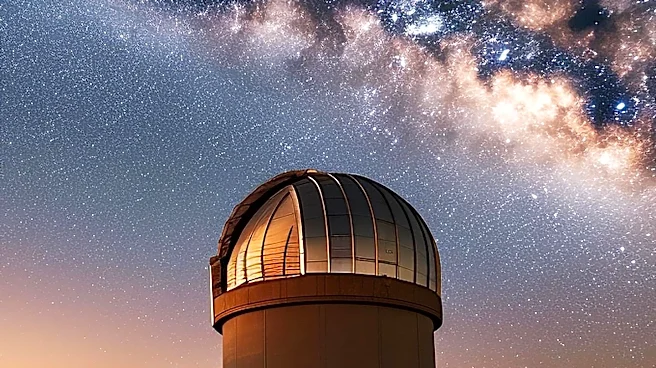
Farrington Press, an off-grid printmaking studio and artist incubator, has been established by Kyle Simon and Sarah LaChance in a secluded, abandoned observatory in the Mojave Desert, near Pioneertown.
Founded in 2021, this invite-only project serves as a space for artists to experiment with printmaking, translating their diverse works into limited series of prints. Simon, a former printmaker at Pace Prints in New York, collaborates with artists to adapt their sculptures, paintings, or other mediums into prints. The retreat emphasizes a deep connection with the surrounding desert landscape, encouraging artists to engage with the environment by foraging for native materials like pine sap for printmaking techniques. The facility operates on solar power and uses trucked-in water, reflecting a commitment to minimal resource consumption. Artists like Martha Tuttle, Lily Stockman, and Lita Albuquerque have already worked at Farrington, adapting their creative processes to the unique and sometimes challenging desert conditions.
Why It's Important?
Farrington Press represents a unique model for artistic creation and environmental consciousness within the art world. By establishing an off-grid studio in a remote desert location, it challenges conventional art spaces and promotes sustainable practices, encouraging artists to consider their resource consumption. The project fosters a direct engagement between artists and the natural environment, influencing their creative output and potentially leading to new forms of art that are intrinsically linked to the landscape. This initiative also highlights the growing trend of artists seeking alternative, immersive environments for their work, moving away from urban centers to find inspiration and solitude. The collaborative nature of Farrington, where Simon works directly with artists to translate their visions into prints, also underscores the value of skilled craftsmanship and interdisciplinary artistic exchange, enriching the contemporary art scene with unique, environmentally-informed works.
What's Next?
Farrington Press is expected to continue its invite-only collaborations with artists, evolving its role as an incubator space. Simon and LaChance aim for the project to be continually evolving, suggesting future expansions in its artistic scope and environmental integration. The success of Farrington could inspire similar off-grid, environmentally conscious art initiatives in other unique landscapes, potentially fostering a broader movement within the arts community towards sustainability and site-specific creation. As more artists engage with the extreme variables of the desert environment, the techniques and artistic outputs developed at Farrington may influence printmaking and other art forms, pushing boundaries of material use and process. The project's funding model, which includes freelance printing, co-publishing, and independent art sales, will likely continue to sustain its operations and allow for further artistic experimentation and development.
Beyond the Headlines
Farrington Press delves into deeper implications concerning the relationship between art, environment, and sustainability. It challenges the traditional art market's often resource-intensive practices by demonstrating a viable model for low-impact art production. The remote, off-grid setting forces artists to confront and integrate environmental constraints into their creative process, potentially leading to a more profound understanding of ecological principles and resourcefulness. This approach can foster a new aesthetic that values the raw, elemental aspects of nature and the limitations it imposes, moving beyond purely conceptual or commercially driven art. Furthermore, the transformation of an abandoned observatory into an art space symbolizes a repurposing of infrastructure, giving new life and meaning to forgotten structures while connecting artistic creation with scientific observation and the vastness of the cosmos, as evidenced by Simon's sound projects using the refurbished telescope.