
What's Happening?
The U.S. economy grew at an annual rate of 1.5% in the second quarter of 2026, according to the Commerce Department, falling short of economists' expectations. This slowdown is attributed to the ongoing
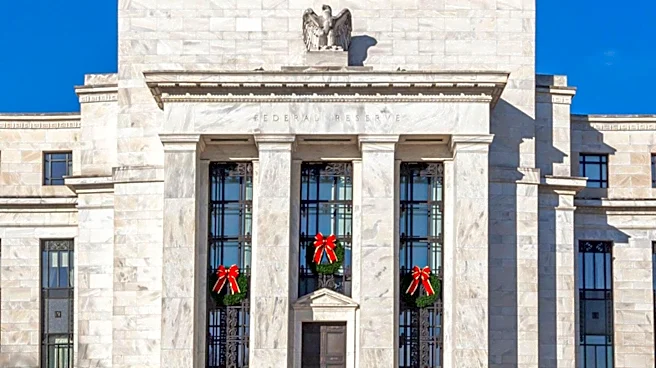
conflict in the Middle East, which has disrupted shipping and increased global energy costs. Despite these challenges, consumer spending remained robust, driven by a healthy labor market and investment in artificial intelligence. The Federal Reserve's preferred inflation measure showed a slight decrease, providing some relief amid persistent inflation concerns.
Why It's Important?
The slower economic growth highlights the impact of geopolitical tensions on the U.S. economy, particularly through increased energy prices. The resilience of consumer spending is a positive sign, suggesting that households are managing the economic pressures. However, the persistent inflation above the Federal Reserve's target remains a concern, influencing monetary policy decisions. The economic landscape underscores the delicate balance between supporting growth and controlling inflation, with implications for interest rates and fiscal policy.
What's Next?
The Federal Reserve's decision to hold interest rates steady reflects a cautious approach amid economic uncertainties. Future policy decisions will likely depend on inflation trends and economic data in the coming months. The ongoing conflict in the Middle East and its impact on energy prices will continue to be a key factor in economic forecasts. Policymakers and businesses will need to navigate these challenges while supporting economic stability and growth.