









What's Happening?
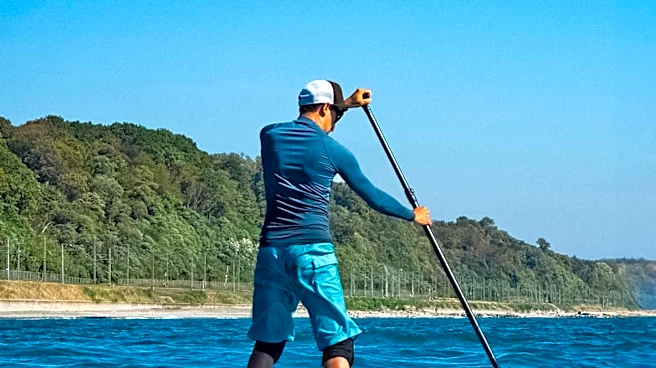
The Belgian SUP Tour (BST) is gaining recognition as a well-established stand-up paddleboarding (SUP) racing circuit in Europe, largely due to its strong community and dedicated volunteers. Vincent Claeskens, the founder, recently highlighted the crucial
role of volunteers in making events successful, moving the spotlight from race results to the behind-the-scenes efforts. Volunteers handle tasks such as equipment preparation, registration, guiding participants, and ensuring smooth operations during demanding races like L’Enfer des Canaux, which featured a 52-kilometer course with multiple portages. The tour aims to foster a supportive environment where both experienced athletes and recreational participants are welcomed and encouraged. Key figures like Heidi Dekien, Jean-François Marescaux, and Sandrine Loontjens, all volunteers, underscore the importance of these events for accessibility, skill development, and community building within the sport. They emphasize that the BST offers a variety of disciplines and locations, making SUP racing approachable for newcomers and providing diverse challenges for seasoned paddlers.
Why It's Important?
The Belgian SUP Tour's focus on community, safety, and accessibility is vital for the broader growth and professionalization of stand-up paddleboarding. By providing a structured national race circuit, the BST makes competitive SUP less intimidating and more affordable for new participants, who might otherwise face high costs and logistical challenges when competing internationally. This approach helps bridge the gap between recreational paddling and competitive racing, showcasing SUP as a legitimate sport requiring fitness, technique, endurance, and strategy. The emphasis on safety and best practices, as advocated by volunteers like Jean-François Marescaux, ensures that participants receive proper guidance, which is crucial for a water sport. Furthermore, the inclusive atmosphere, where experienced racers mentor newcomers and friendships are formed, strengthens the sport's community aspect, encouraging long-term engagement and participation. This model could serve as a blueprint for other regions looking to develop their SUP communities and elevate the sport's profile.
What's Next?
The Belgian SUP Tour aims to continue its growth and increase its visibility to the general public, which is essential for attracting new participants. Volunteers like Heidi Dekien plan to organize SUP initiation sessions alongside races to introduce beginners to the sport in a fun and accessible way, hoping to spark curiosity about competitive paddling. Increased media attention and stronger sponsorship support are identified as critical factors for expanding the sport's reach and attracting a wider audience. The tour also seeks to provide a more structured and well-supported framework for SUP, offering a professional yet welcoming showcase of paddleboarding. By continuing to offer diverse race formats across various locations, the BST hopes to inspire more people to discover the sport's unique combination of physical activity, nature appreciation, and enjoyment, ultimately contributing to its flourishing in Belgium and potentially influencing international participation.
Beyond the Headlines
The success of the Belgian SUP Tour highlights the profound impact of volunteerism and community-driven initiatives in sports development. Beyond the immediate benefits of organizing races, the tour cultivates a culture of mutual support and shared passion, which is often overlooked in professional sports. The personal stories of volunteers, such as Sandrine Loontjens, who contributes despite no longer being able to paddle herself, underscore a deeper commitment to the sport's values and the dreams of its founders. This dedication fosters a sense of belonging and collective achievement, demonstrating that the strength of a sport lies not just in its athletes' performances but also in the collective effort of those who work behind the scenes. The tour's ability to attract international participants, including from the United States, suggests its growing influence and the potential for cross-cultural exchange within the global SUP community, promoting a shared love for the sport and its unique connection to nature.