






What's Happening?
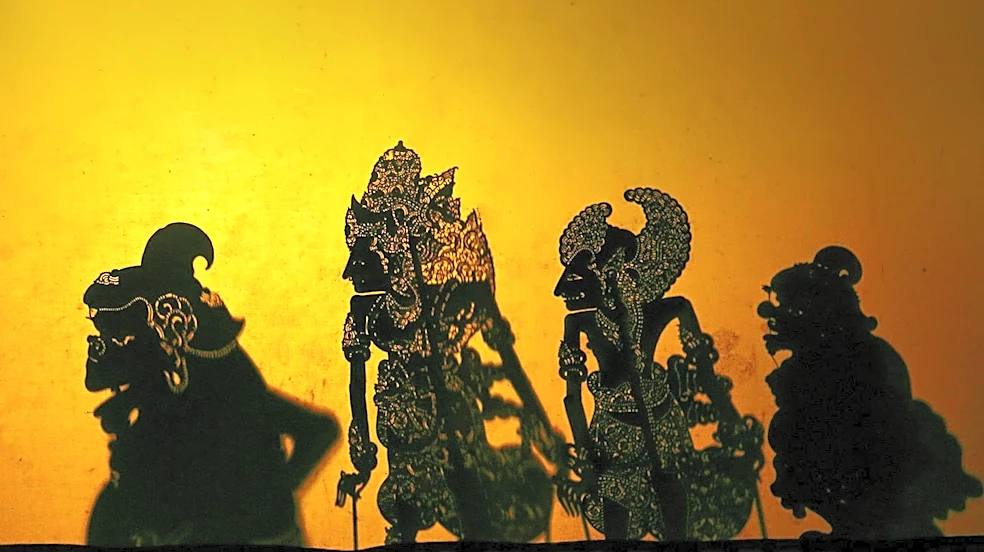
Puppets are being highlighted as significant tools for expression, conveying emotions, historical narratives, and cultural meanings through their movements. They have consistently played a role in storytelling and theatrical productions globally. A recent
segment on 'Dress Circle' showcased various musicals that incorporate puppets, including well-known productions like 'Avenue Q,' 'Carnival!,' 'Little Shop of Horrors,' 'The Lion King,' and 'Nunsense.' The segment also delved into lesser-known works featuring puppets and acknowledged the cultural impact of the Muppets. Beyond theatrical stages, puppets are also utilized in seasonal displays, such as Halloween-themed exhibits and puppet shows, demonstrating their versatility and enduring presence in diverse forms of entertainment and cultural expression. This exploration underscores the multifaceted nature of puppetry, from traditional performances to modern adaptations, and its continued relevance in engaging audiences and communicating complex themes.
Why It's Important?
The enduring presence and versatility of puppetry in storytelling and theatre underscore its significant cultural and artistic importance. Puppets serve as a unique medium for conveying complex emotions and narratives, often transcending language barriers and appealing to a broad audience, from children to adults. Their use in popular musicals like 'The Lion King' demonstrates their capacity to enhance theatrical experiences, adding visual spectacle and imaginative depth that live actors alone might not achieve. Economically, the continued demand for puppet-centric productions supports a niche but vital segment of the entertainment industry, including puppet makers, performers, and specialized theaters. Socially, puppets can be powerful educational tools, simplifying complex ideas for younger audiences and fostering creativity. The inclusion of puppets in diverse contexts, from Broadway to Halloween displays, highlights their adaptability and their role in enriching cultural landscapes and providing unique forms of entertainment that resonate across generations.
What's Next?
The continued integration of puppetry into various entertainment forms suggests a future where this art form will likely see further innovation and broader application. The success of puppet-driven musicals may encourage more theatrical productions to explore puppetry as a core element of their storytelling. Educational institutions and community programs might increasingly leverage puppets for teaching and engagement, given their proven ability to captivate and communicate effectively. Technologically, advancements in animatronics and digital puppetry could open new avenues for expression, blending traditional craftsmanship with modern capabilities. We may also see a resurgence in interest in traditional puppetry forms, driven by a desire for authentic and tactile experiences in an increasingly digital world. This could lead to more specialized festivals, workshops, and cultural exchanges focused on the art of puppetry, further solidifying its place in the global artistic landscape.
Beyond the Headlines
Beyond their immediate entertainment value, puppets carry profound ethical and cultural implications. Ethically, the use of puppets can allow for the exploration of sensitive or controversial topics in a less confrontational manner, providing a safe space for dialogue and reflection. They can embody archetypes and societal roles, offering commentary on human nature and social structures without directly implicating individuals. Culturally, puppets are often repositories of historical narratives and traditional craftsmanship, preserving ancient stories and artistic techniques across generations. The act of puppetry itself, requiring skill, precision, and imaginative projection, fosters a unique connection between the performer, the puppet, and the audience. This connection can evoke a sense of wonder and empathy, blurring the lines between inanimate object and living character. The long-term shift could see puppetry recognized not just as a form of entertainment, but as a vital cultural heritage and a powerful medium for social commentary and emotional expression, continually evolving while retaining its ancient roots.