






What's Happening?
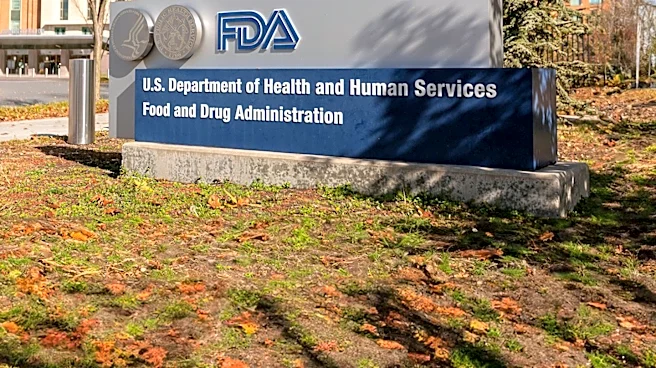
The FDA has rejected drug approval filings from Unicycive Therapeutics and Sobi due to deficiencies at their contract manufacturing facilities. Unicycive's application for oxylanthanum carbonate, intended for treating hyperphosphatemia in chronic kidney
disease patients, was denied for the second time. The rejection was based on unresolved issues at a third-party manufacturing plant. Similarly, Sobi's application for a gout treatment was rejected, with the FDA requesting additional data related to manufacturing controls. Both companies are working to address these issues and plan to resubmit their applications.
Why It's Important?
The FDA's rejection highlights the critical role of manufacturing compliance in the drug approval process. For Unicycive, the setback affects its ability to bring a new treatment to market, impacting its financial outlook and investor confidence, as evidenced by a significant drop in its share price. Sobi faces similar challenges, needing to resolve manufacturing deficiencies to advance its gout treatment. These rejections underscore the importance of robust manufacturing practices and could prompt other pharmaceutical companies to reassess their production strategies to avoid similar pitfalls.
What's Next?
Unicycive and Sobi are expected to work closely with their manufacturing partners to address the FDA's concerns. Unicycive plans to have its manufacturing facility inspected soon, with hopes of resubmitting its application later this year. Sobi intends to meet with the FDA to discuss the path forward and rectify the identified deficiencies. Successful resolution of these issues could lead to eventual approval, allowing both companies to expand their product offerings and improve patient care.