


What's Happening?
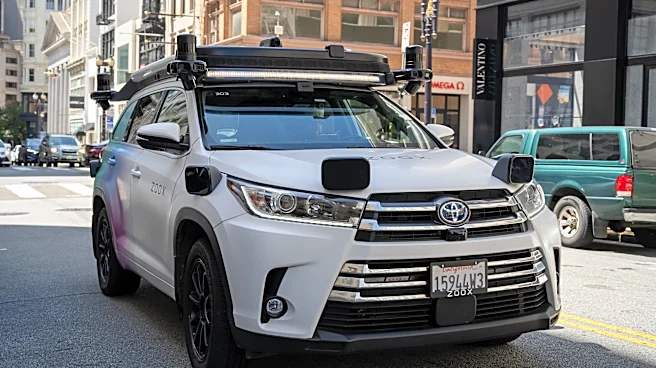
Zoox, an autonomous vehicle company owned by Amazon, has commenced testing its robotaxi service in northwest Atlanta. The initial operational areas include Atlantic Station, Woodward, and Home Park. Currently, rides are exclusively available to Zoox employees,
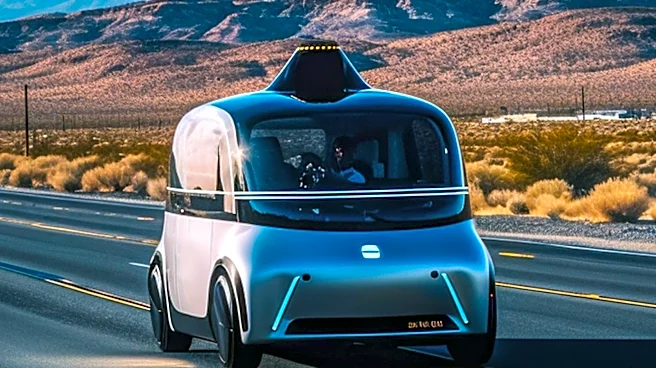
their families, and friends as part of an early testing phase. The company plans to expand its route options and rider eligibility throughout the coming year. Zoox began its Atlanta operations in spring 2025, focusing on mapping the city, understanding local driving behaviors, and analyzing weather and infrastructure. Since then, it has steadily expanded its driving capabilities, including autonomous driving, growing its geofence, fleet size, and team in preparation for this testing stage. Zoox emphasizes that its robotaxi was purpose-built for fully autonomous ride-hailing, featuring a design without a steering wheel or driver's seat, offering a spacious layout for up to four passengers.
Why It's Important?
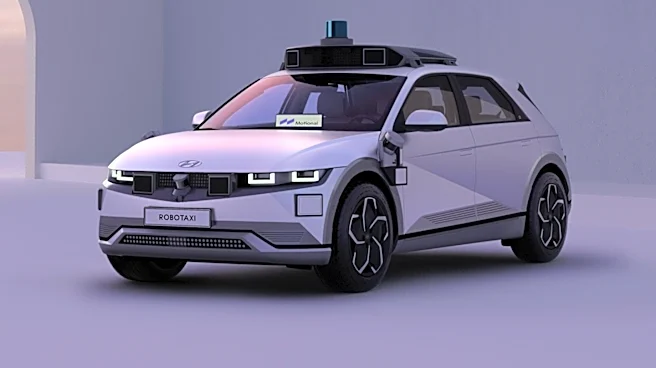
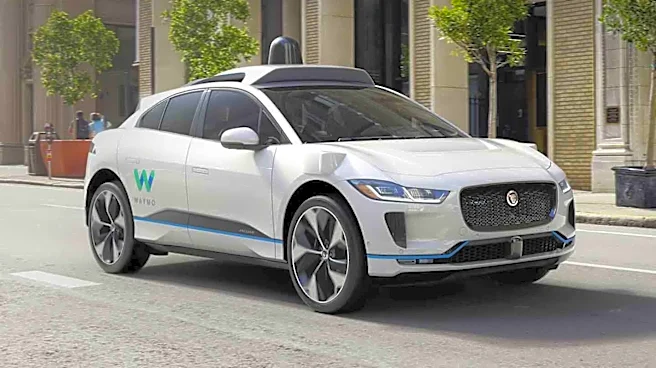
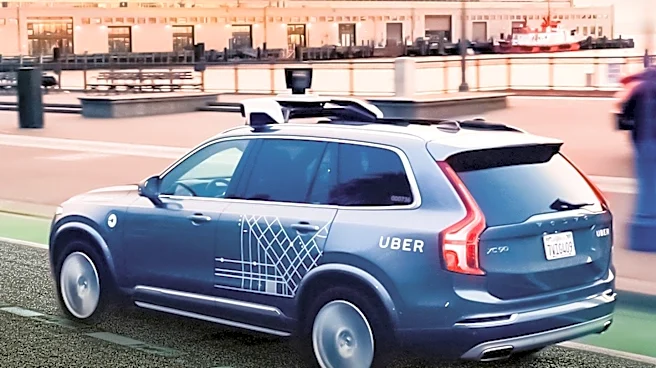
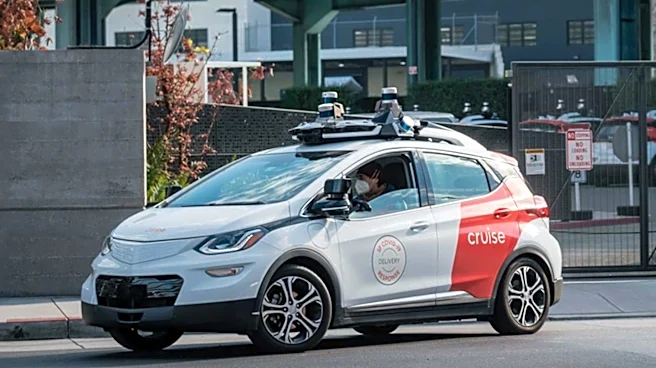
The deployment of Zoox's robotaxis in Atlanta signifies a significant step in the advancement and commercialization of autonomous vehicle technology in a major U.S. city. Atlanta is emerging as a key hub for autonomous driving tests, with other companies like Waymo (Uber), May Mobility (Lyft), and Tesla also operating there. Zoox's entry intensifies competition in the burgeoning robotaxi market, potentially accelerating the development and adoption of self-driving services. The company's unique vehicle design, built from the ground up for autonomous ride-hailing, could offer a differentiated passenger experience, emphasizing socialization and comfort over traditional vehicle layouts. This development could influence urban transportation planning, infrastructure needs, and consumer expectations for future mobility solutions, potentially reducing reliance on personal vehicle ownership and traditional ride-sharing models.
What's Next?
Zoox plans to progressively expand its route options and open up its rider pool beyond employees and their associates in the coming year. Once the service becomes more widely available, passengers will be able to hail a Zoox robotaxi via a mobile app. The company will continue to refine its autonomous driving capabilities based on real-world data collected during this testing phase in Atlanta. Further expansion into other parts of Atlanta and potentially other cities could follow successful testing and regulatory approvals. The ongoing testing will also provide valuable insights into public acceptance, operational challenges, and the integration of autonomous vehicles into existing urban traffic systems. Zoox's commitment to partnering with local initiatives, such as the Promise Center, suggests a broader engagement strategy within the communities it operates.
Beyond the Headlines
The introduction of purpose-built robotaxis like Zoox's raises broader questions about the future of urban design and personal space within transportation. The absence of a steering wheel and driver's seat fundamentally alters the passenger experience, transforming the vehicle interior into a more communal or private lounge-like space. This shift could influence how people perceive travel time, potentially turning it into productive or leisure time. Furthermore, the increasing presence of autonomous vehicles in cities like Atlanta brings forth complex ethical and legal considerations, particularly concerning liability in the event of accidents and the impact on employment in the traditional taxi and ride-sharing industries. The data collected by these vehicles also presents privacy implications, as detailed mapping and behavioral data are gathered to train AI systems, necessitating robust data protection frameworks.